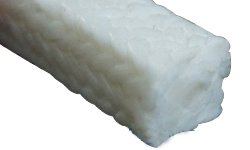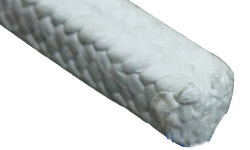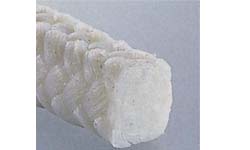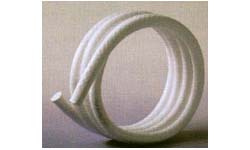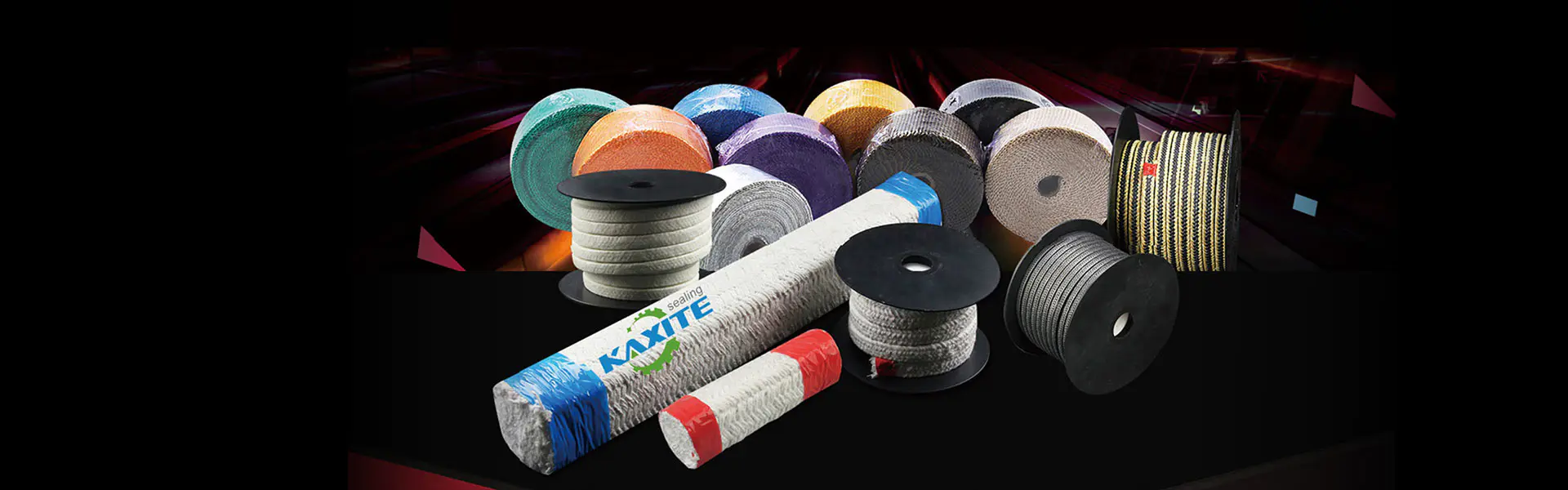
In the demanding world of industrial sealing, where reliability and chemical resistance are paramount, PTFE Packing stands out as a premier choice. PTFE, or Polytetrafluoroethylene, is a synthetic fluoropolymer renowned for its exceptional properties. As a leading innovator in sealing technology, Kaxite Sealing has engineered advanced PTFE packing solutions that set the benchmark for performance in the most challenging environments. Unlike traditional packing materials like graphite or aramid, PTFE packing offers a unique combination of near-universal chemical inertness, an extremely low coefficient of friction, and the ability to perform across a vast temperature range. This makes it indispensable for applications involving aggressive chemicals, high-purity processes, and where contamination must be avoided at all costs.
The fundamental advantage of PTFE as a packing material lies in its molecular structure. The strong carbon-fluorine bonds create a remarkably stable and non-reactive material. For engineers and maintenance professionals, this translates to longer seal life, reduced maintenance downtime, and superior protection for expensive pump and valve shafts. Kaxite Sealing’s manufacturing expertise enhances these intrinsic properties through specialized processes like paste extrusion, skiving, and weaving, resulting in braided, filament, or tape forms that are optimized for specific service conditions.
Kaxite Sealing's PTFE packing is available in multiple grades and constructions to meet precise operational requirements. Below are the detailed specifications for our flagship products.
| Parameter | Specification | Test Method / Notes |
|---|---|---|
| Material Composition | 100% Virgin PTFE Filament | May include lubricants (e.g., graphite) for specific grades |
| Temperature Range | -260°C to +288°C (-436°F to +550°F) | Short-term peaks up to 315°C (600°F) possible |
| pH Range | 0 - 14 | Chemically inert to virtually all industrial chemicals |
| Specific Gravity | 2.1 - 2.3 | ASTM D792 |
| Tensile Strength | ≥ 25 MPa (3,600 psi) | ASTM D638 |
| Thermal Conductivity | 0.25 W/m·K | ASTM C177 |
| Coefficient of Friction | 0.05 - 0.08 | Inherently slippery, reduces shaft wear |
| Grade Code | Filler Material | Primary Benefit | Best For |
|---|---|---|---|
| KX-PTFE-G | High-Purity Graphite | Enhanced thermal conductivity, improved lubricity, reduced breakout torque. | Steam service, hot water, heat transfer fluids. |
| KX-PTFE-C | Fine Carbon | Increased strength, improved wear resistance, good thermal properties. | Abrasive slurries, general chemical service with particulates. |
| KX-PTFE-B | Bronze Powder | Greatly improved thermal conductivity, high compressive strength. | High-load, low-speed applications, mixers. |
| KX-PTFE-M | Molybdenum Disulfide (MoS2) | Exceptional lubricity in dry or marginally lubricated conditions. | Compressed gases, applications where liquid lubricant is undesirable. |
Q: What are the main advantages of PTFE packing over traditional graphite or asbestos-based packings?
A: PTFE packing offers several key advantages: Superior chemical resistance to a broader range of chemicals, a naturally low coefficient of friction which reduces shaft wear and energy consumption, FDA/USDA compliance for sanitary applications, and non-contaminating properties for pure processes. It is also more dimensionally stable under temperature fluctuations compared to some graphite styles.
Q: How do I select the correct PTFE packing grade for my application?
A: Selection depends on four primary factors: 1) Fluid Media: Identify all chemicals, concentrations, and temperatures. 2) Equipment & Operating Conditions: Consider shaft speed, pressure, pH, and temperature. 3) Regulatory Requirements: Determine if FDA, USDA, or other purity standards apply. 4) Performance Priority: Decide if you need maximum chemical resistance, superior lubricity, or enhanced wear resistance. Kaxite Sealing’s technical team can assist with this analysis.
Q: Can PTFE packing be used for rotary, reciprocating, and static sealing applications?
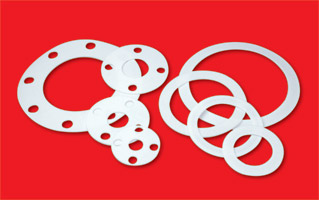
A: Yes, but the construction must be chosen appropriately. Braided PTFE packing from Kaxite Sealing is highly versatile and commonly used in centrifugal pump shafts (rotary) and valve stems (reciprocating). PTFE tape or laminated sheet forms are excellent for flange gasketing (static seals). The flexibility and resilience of braided PTFE allow it to adapt to both dynamic and static duties effectively.
Q: What is the proper installation procedure for braided PTFE packing?
A: Correct installation is critical for performance and longevity. Key steps include: Clean the stuffing box and shaft thoroughly. Always use rings cut exactly to size on a mandrel – never wrap the shaft. Stagger the ring joints by 90 degrees. Tighten the gland follower evenly and hand-tight only. After startup, allow a brief run-in period, then perform a final adjustment. Avoid over-tightening, as PTFE has low thermal conductivity and requires slight leakage for lubrication and cooling in many services.
Q: Is PTFE packing suitable for high-temperature applications above 288°C (550°F)?
A: While virgin PTFE has an upper continuous service limit around 288°C, short-term excursions are possible. For consistent operation above this temperature, specially compounded grades from Kaxite Sealing, such as those with graphite or carbon fillers, can offer improved stability. However, for very high temperatures (e.g., above 315°C), pure graphite or other specialized materials may be more appropriate. Always consult the specific product data sheet and our engineers for extreme conditions.
Q: How does Kaxite Sealing ensure the quality and consistency of its PTFE packing?
A: Kaxite Sealing maintains rigorous quality control from raw material to finished product. We source only high-virgin PTFE polymers and certified filler materials. Our manufacturing processes are precisely controlled, and every batch undergoes testing for critical parameters like density, tensile strength, and chemical purity. This commitment to quality ensures that our PTFE packing delivers reliable, repeatable performance in the field.