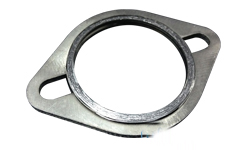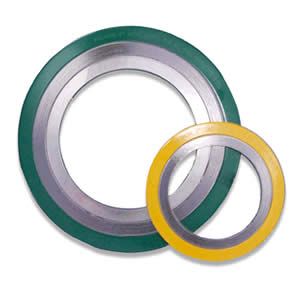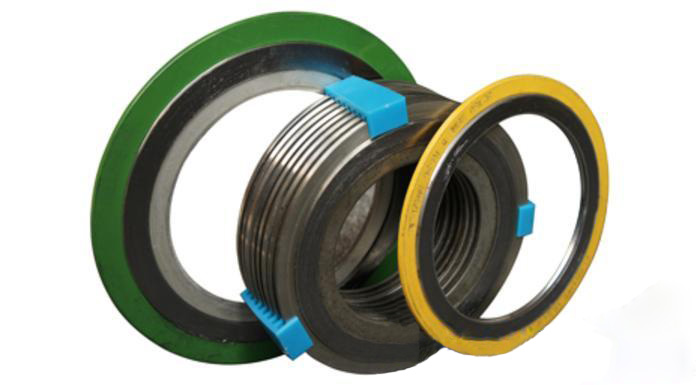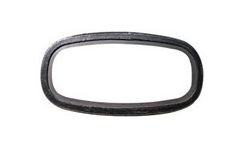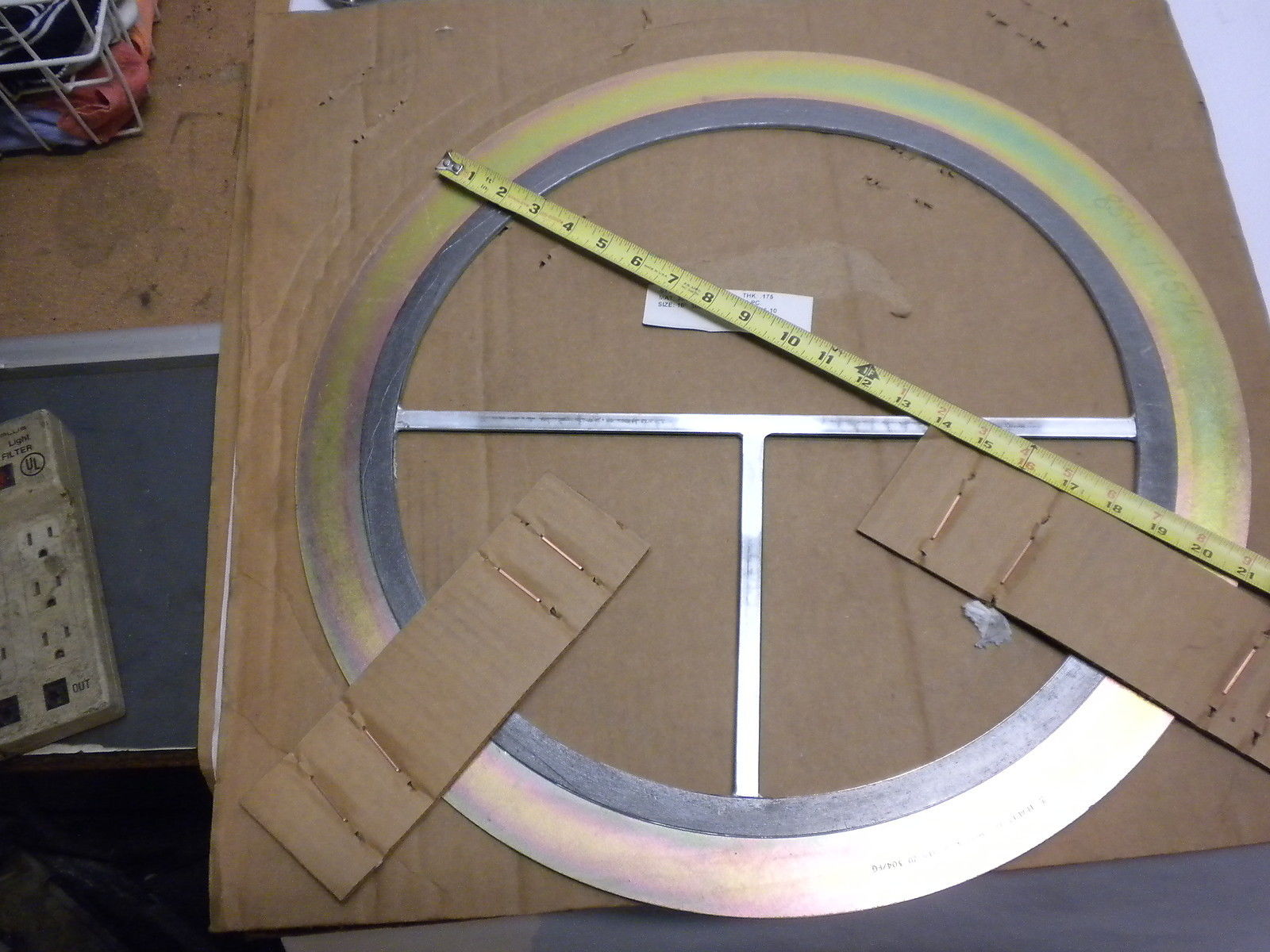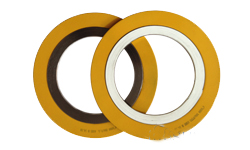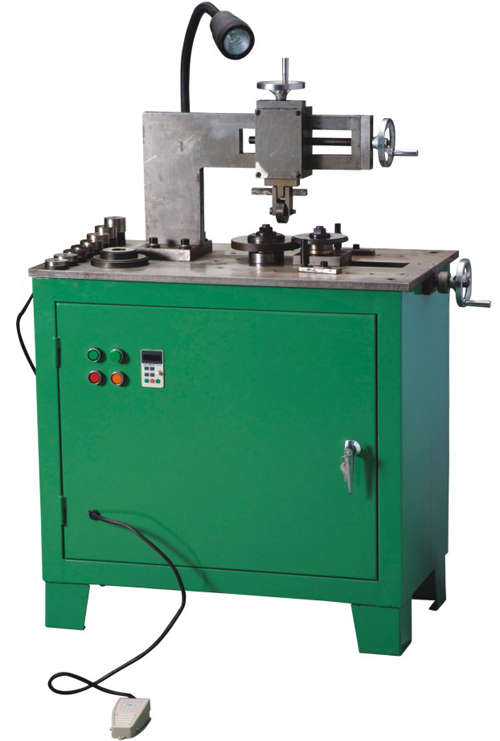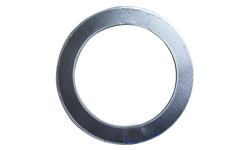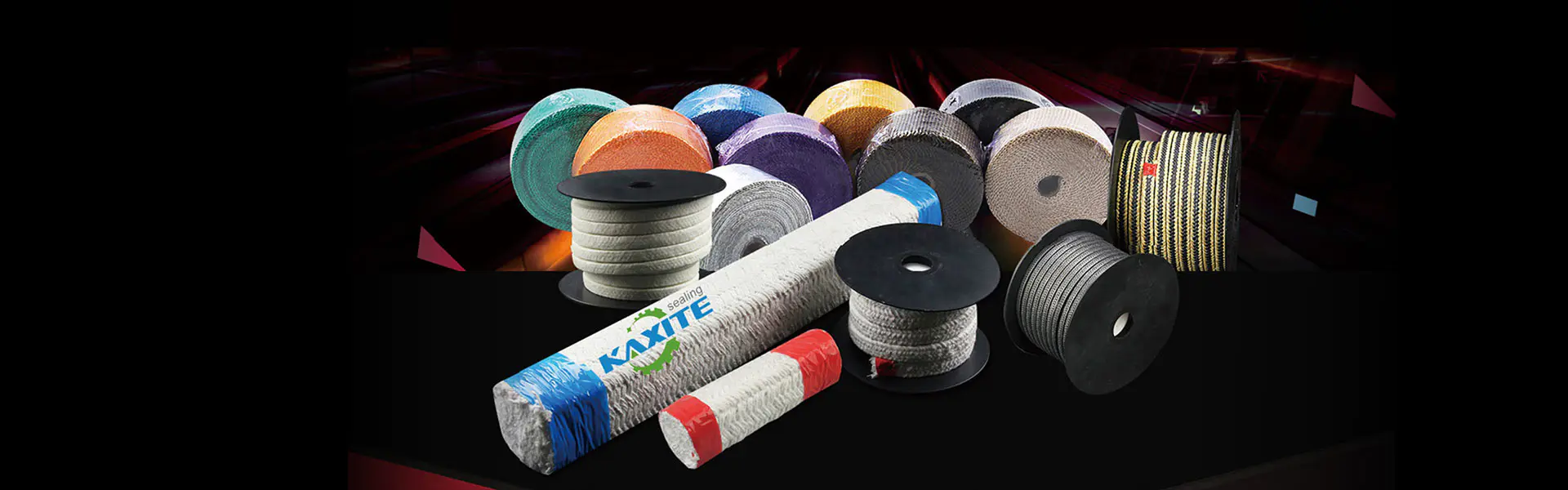
Spiral wound gaskets are engineered sealing components designed to create a reliable, leak-tight seal between two flanges. They are constructed by winding a pre-formed metal strip (such as stainless steel) and a soft filler material (like graphite or PTFE) in a V-shaped configuration around a solid metal inner ring. This unique spiral winding process creates a resilient, spring-like structure that compensates for flange irregularities, thermal cycling, and pressure fluctuations, making them a superior choice for demanding industrial applications.
As a cornerstone of modern sealing technology, spiral wound gaskets are indispensable in industries where safety, reliability, and performance are non-negotiable. Their design allows them to handle extreme conditions far beyond the capability of standard flat gaskets.
Kaxite Sealing manufactures spiral wound gaskets to the highest international standards, ensuring optimal performance and longevity. Our gaskets are not just components; they are engineered solutions for critical sealing challenges.
The performance of a spiral wound gasket is directly determined by its material construction. Kaxite Sealing offers a comprehensive range of standard and custom material combinations to meet specific service requirements.
| Metal Material | ASTM/AISI Grade | Temperature Range (Approx.) | Key Characteristics & Typical Applications |
|---|---|---|---|
| 304 Stainless Steel | A240 304 | -250°C to 540°C | Excellent general corrosion resistance. Most common and economical choice for general service. |
| 316/L Stainless Steel | A240 316/316L | -250°C to 540°C | Superior resistance to pitting and chlorides. Ideal for chemical process, marine, and pulp & paper industries. |
| 321 Stainless Steel | A240 321 | -250°C to 760°C | Stabilized with titanium for improved intergranular corrosion resistance at high temperatures. |
| 347 Stainless Steel | A240 347 | -250°C to 870°C | Stabilized with niobium. Excellent for high-temperature applications like heat exchangers and boiler fittings. |
| Alloy 20 | B463 / UNS N08020 | -250°C to 540°C | High resistance to sulfuric acid and other aggressive chemicals. Used in chemical and petrochemical plants. |
| Monel 400 | B127 / UNS N04400 | -250°C to 820°C | Excellent resistance to hydrofluoric acid, seawater, and alkalis. Common in marine and chemical processing. |
| Inconel 600 | B168 / UNS N06600 | -250°C to 1095°C | Outstanding oxidation and carburization resistance at very high temperatures. For furnaces and thermal reactors. |
| Titanium | B265 Gr 2 | -250°C to 340°C | High strength-to-weight ratio, excellent corrosion resistance in chlorides and oxidizing acids. |
| Filler Material | Temperature Range (Approx.) | Key Characteristics & Applications |
|---|---|---|
| Flexible Graphite (GRA) |
Inert Atmosphere: -240°C to 3000°C Oxidizing Atmosphere: up to 450°C |
Superior thermal conductivity, excellent chemical resistance (except strong oxidizers), low creep relaxation. The most widely used filler. |
| PTFE (Teflon) | -260°C to 260°C | Almost universal chemical resistance, low friction, non-stick. Ideal for highly corrosive services and ultra-pure systems. |
| Mica (Ceramic) Filler | Up to 1000°C | Exceptional performance in extreme high-temperature and high-pressure steam services. Used in power generation. |
| Non-Asbestos Organic (NAO) | Up to 300°C | A general-purpose, economical filler for water, oil, and mild chemical services at moderate temperatures. |
Every Kaxite Sealing spiral wound gasket is built with precision and clearly marked for traceability and correct installation.
Q: What are the main applications for spiral wound gaskets?
A: Spiral wound gaskets are the preferred seal for high-integrity piping connections across numerous industries. Key applications include: Oil & Gas (wellheads, pipelines, refineries), Chemical & Petrochemical Processing, Power Generation (fossil fuel, nuclear, geothermal), Pharmaceutical and Food Processing (with PTFE filler), Shipbuilding and Marine Engineering, and any application involving high pressure, high temperature, thermal cycling, or aggressive media.
Q: How do I select the right spiral wound gasket for my application?
A: Selection requires evaluating several key parameters: 1) Service Media: Identify all chemicals, their concentrations, and phases. 2) Operating Conditions: Determine the maximum and minimum temperature and pressure (including pressure spikes). 3) Flange Specifications: Know the flange facing type (e.g., RF, RTJ), size, pressure class (e.g., 150#, 300#), and material. 4) Standards: Specify any required standards (ASME, DIN, JIS). Consulting with a Kaxite Sealing engineer is recommended for critical services to ensure the optimal material combination and gasket design.
Q: Can spiral wound gaskets be reused?
A: It is strongly discouraged to reuse a spiral wound gasket. During initial bolt-up, the gasket is compressed to a specific seating stress, and the filler material conforms to the flange imperfections. Once disassembled, the gasket has lost its original resilience and precise geometry. Reusing it significantly increases the risk of a leak. Always install a new, correctly specified Kaxite gasket for a reliable seal.
Q: What is the proper bolt tightening procedure for a spiral wound gasket?
A: Correct bolt-up is critical. Always follow a cross-pattern, multi-pass torque sequence. 1) Hand-tighten all nuts. 2) Using a calibrated torque wrench, tighten bolts to about 30% of the final torque value in a star/cross pattern. 3) Increase to 60% of final torque in the same pattern. 4) Finally, torque all bolts to 100% in a circular pattern. This ensures even compression and prevents flange distortion. Always refer to the specific torque values recommended for your flange material and gasket type.
Q: Why is an inner ring or outer ring used?
A: Inner Ring: It acts as a compression stop, prevents inward buckling (blow-out) of the winding under high internal pressure or vacuum, and helps center the gasket on the flange. It is essential for high-pressure and vacuum services. Outer Ring: It protects the delicate winding from handling damage, helps control and distribute bolt load evenly, and acts as a barrier to contain the filler material, preventing extrusion in high-pressure applications.
Q: My system has severe thermal cycling. Are spiral wound gaskets suitable?
A: Yes, this is one of their primary strengths. The spring-like action of the metal winding allows the gasket to expand and contract with the flange, maintaining a constant sealing force as temperatures rise and fall. This resilience prevents leaks that can occur with rigid or non-resilient gaskets when flanges expand at different rates.
Q: What standards do Kaxite Sealing spiral wound gaskets comply with?
A: Kaxite Sealing gaskets are manufactured in full compliance with major international standards, including ASME B16.20 (Pipe Flanges and Flanged Fittings), EN 1514 (Flanges and their joints), and JIS B 2490. We can also produce gaskets to meet custom specifications and non-standard sizes for OEM applications.
Q: Does Kaxite Sealing offer custom or non-standard gaskets?
A: Absolutely. While we stock a wide range of standard sizes and material combinations, our engineering team specializes in designing and manufacturing custom spiral wound gaskets. This includes non-standard IDs/ODs, special material alloys for unique corrosion challenges, and gaskets for proprietary or legacy equipment. Contact our technical sales team with your specifications.
Q: How does Kaxite ensure the quality of its gaskets?
A: Quality is integral to the Kaxite Sealing manufacturing process. We implement rigorous quality control at every stage: from raw material certification (with mill test reports) to precise CNC winding control, dimensional verification, and final visual inspection. Our commitment to quality ensures every gasket delivers consistent, reliable performance, contributing to the safety and efficiency of your operations.