In the vast world of industrial maintenance, construction, and manufacturing, the integrity of joints, gaps, and connections is paramount. This is where sealing materials come into play. These specialized products are engineered to prevent the passage of fluids, gases, dust, and other contaminants from one area to another. They are the unsung heroes that ensure operational safety, energy efficiency, environmental protection, and the longevity of equipment and structures. From automotive engines and aerospace components to pipelines, windows, and electronic housings, effective sealing is a non-negotiable requirement for performance and reliability.
At Kaxite Sealing, we understand that not all seals are created equal. The selection of the correct sealing material depends on a precise understanding of the application's demands, including temperature extremes, pressure, chemical exposure, movement, and regulatory standards. Failure to choose appropriately can lead to leaks, product failure, safety hazards, and significant financial loss.
Kaxite Sealing offers a comprehensive portfolio of high-performance sealing solutions. Below is a detailed breakdown of our primary material categories and their defining parameters.
Elastomers are polymers with viscoelasticity, making them ideal for dynamic and static sealing applications requiring flexibility and rebound.
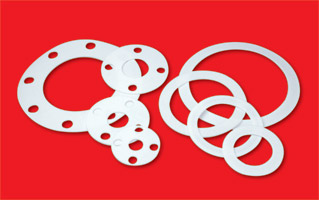
Used for flanged connections in piping, pumps, and valves. Kaxite CNAF sheets are composed of aramid fibers, nitrile rubber binder, and other fillers.
| Grade | Density (g/cm³) | Tensile Strength (MPa) | Temperature Range | Fluid Resistance | Common Applications |
|---|---|---|---|---|---|
| KX-CNAF 1000 | 1.0 - 1.2 | ≥ 8.0 | -50°C to +250°C | Water, Steam, Oil, Moderate Chemicals | General industrial piping, water systems |
| KX-CNAF 2000 | 1.3 - 1.5 | ≥ 10.0 | -50°C to +300°C | Hot Oils, Fuels, Aggressive Chemicals | Refinery, chemical processing, high-pressure flanges |
| KX-CNAF 3000 (Food Grade) | 1.1 - 1.3 | ≥ 7.5 | -40°C to +200°C | FDA-compliant, Oils, Alcohols | Food & beverage, pharmaceutical processing |
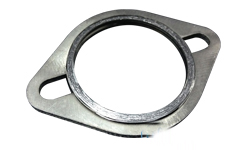
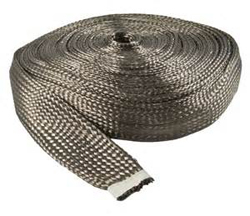
Designed for extreme environments found in furnaces, engines, and exhaust systems.
For bonding, sealing seams, and coating applications.
| Product Type | Base Polymer | Cure Type | Elongation at Break | Shore Hardness | Key Features |
|---|---|---|---|---|---|
| KX-Sil 500 (Silicone Sealant) | Neutral Cure Silicone | Moisture Cure | > 400% | A25 | UV resistant, flexible, for glazing and construction |
| KX-PU 700 (Polyurethane Sealant) | Polyurethane | Moisture Cure | > 450% | A35 | Abrasion resistant, paintable, for automotive and marine |
| KX-Thread 800 (Thread Sealant) | PTFE Paste | Non-Curing | N/A | N/A | Chemical inertness, for pipe threads up to 260°C |
Q: How do I choose between an elastomer O-ring and a PTFE seal?
A: The choice hinges on application conditions. Elastomers like NBR or FKM are ideal for applications requiring compression set recovery and sealing under lower pressures with some flexibility. They are cost-effective for dynamic sealing. PTFE seals, including filled grades offered by Kaxite Sealing, are chosen for extreme chemical resistance, very high/low temperatures, or where "zero" stick-slip is needed in hydraulic/pneumatic systems. They can handle higher pressures but are less elastic.
Q: What is the significance of "compression set" in sealing materials?
A: Compression set is a critical performance metric. It measures a material's ability to return to its original thickness after prolonged compression. A low compression set percentage (e.g., 10-20%) is desirable, indicating the seal will maintain its sealing force over time. A high compression set means the seal has permanently deformed and may leak. Kaxite Sealing formulates its elastomers to achieve optimal low compression set for long-term reliability.
Q: Can Kaxite Sealing materials be used in potable water or food contact applications?
A: Yes, we offer specific product lines compliant with international standards. Our silicone (VMQ) compounds can meet FDA CFR 21.177.2600, and our EPDM grades comply with WRAS (UK Water Regulations Advisory Scheme) and NSF/ANSI 61 for potable water. Our KX-CNAF 3000 sheet gasketting is certified for food-grade applications. Always specify the requirement for food or water contact when consulting with our technical team.
Q: How does temperature affect the selection of a gasket material?
A: Temperature directly impacts material properties. Elastomers can become brittle at low temperatures and degrade (harden or soften) at high temperatures. Each material has a recommended continuous service temperature range. For instance, standard NBR is limited to ~120°C, while FKM can handle ~200°C. For temperatures above 500°C, inorganic materials like ceramic fiber or flexible graphite from Kaxite Sealing are necessary. Always consider both the operating temperature and any potential thermal cycling.
Q: What are the key differences between a gasket and a sealant?
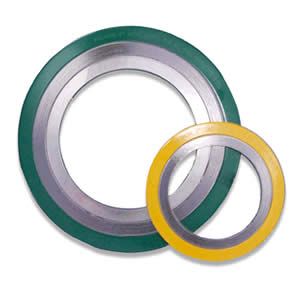
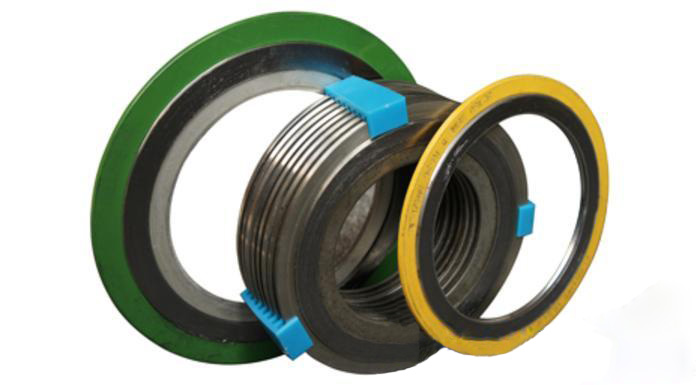
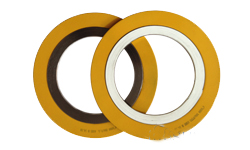
A: A gasket is a pre-formed, solid component (e.g., cut sheet, molded rubber, spiral wound) placed between two flanges to create a static seal. It requires compressive force to flow and fill surface imperfections. A sealant is a liquid or mastic material (like silicone or polyurethane) that is applied to a joint, then cures or remains flexible to form a seal. Sealants are ideal for irregular gaps, weatherproofing, or bonding. Kaxite Sealing provides both; gaskets are typically for dismantlable joints, while sealants are for permanent or semi-permanent seams.
Q: Do you provide custom-engineered sealing solutions?
A: Absolutely. At Kaxite Sealing, a significant part of our expertise lies in developing custom solutions. We can engineer seals based on your specific CAD drawings, prototype and test under simulated service conditions, and select or compound a material to meet unique requirements for chemical resistance, extreme pressure, vacuum, or unusual geometries. Our technical support team works directly with clients from design through to production.
Selecting the right sealing material is a systematic process. Use this guide as a starting point for your specification.
Kaxite Sealing provides detailed technical data sheets and expert consultation to navigate these factors, ensuring you select a product that delivers optimal performance and value for your specific application.