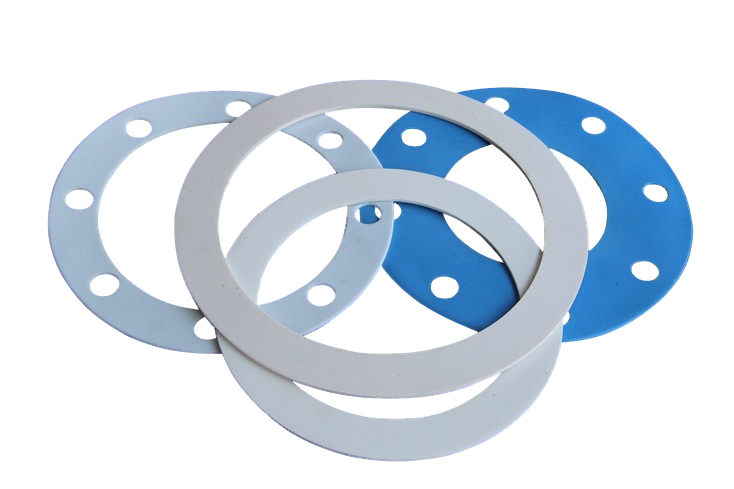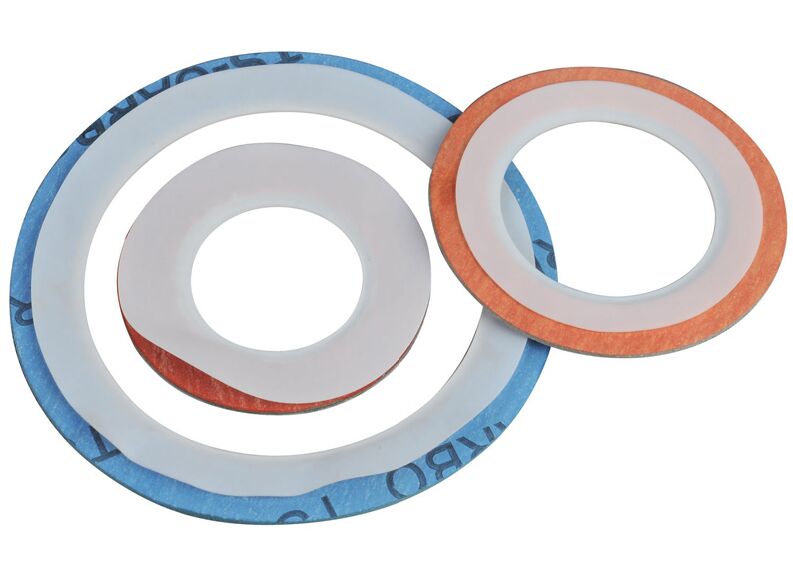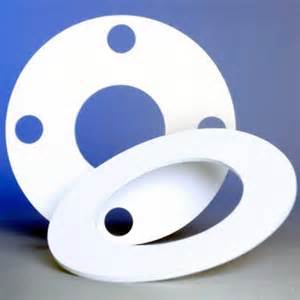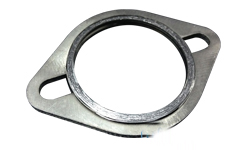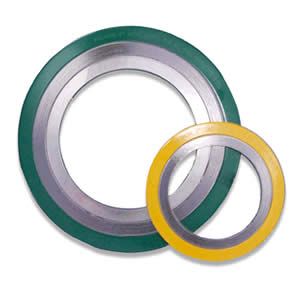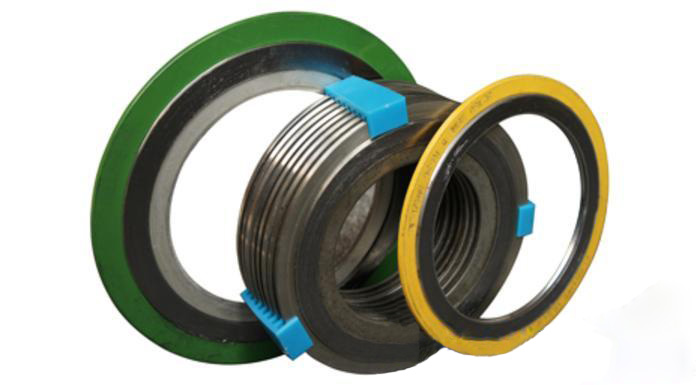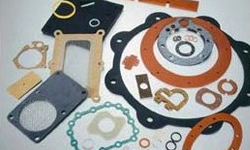
Polytetrafluoroethylene, universally known as PTFE, is a high-performance fluoropolymer celebrated for its exceptional chemical inertness and broad temperature tolerance. PTFE gaskets are sealing components manufactured from this advanced material, designed to create leak-proof seals in piping systems, vessels, flanges, and a multitude of industrial equipment. The unique molecular structure of PTFE, consisting of strong carbon-fluorine bonds, grants it a non-stick, low-friction surface and makes it virtually unreactive to most industrial chemicals and solvents. This combination of properties makes PTFE the material of choice for demanding sealing applications where other elastomers or compressed non-asbestos materials would fail prematurely.
At Kaxite Sealing, we engineer our PTFE gaskets to meet the most rigorous standards. Our products are not merely cut from sheet stock; they are precision-manufactured, considering factors like creep resistance, stress relaxation, and cold flow to ensure long-term sealing integrity under fluctuating pressures and temperatures.
The selection of a gasket material is critical to system safety, efficiency, and maintenance costs. PTFE gaskets offer a compelling set of advantages:
Primary Applications Include: Chemical reactor flanges, heat exchanger channels, pump and valve seals, expansion joints, pharmaceutical fermenters, food processing pipelines, semiconductor wet benches, and cable gland seals.
Our gaskets are available in multiple forms to suit specific application needs. Below are the detailed parameters and properties.
| Property | Test Method | Virgin PTFE | Glass Reinforced PTFE (25%) | Expanded PTFE (ePTFE) |
|---|---|---|---|---|
| Density (g/cm³) | ASTM D792 | 2.15 - 2.20 | 2.20 - 2.30 | 0.4 - 0.8 |
| Tensile Strength (MPa) | ASTM D638 | 20 - 35 | 17 - 25 | 5 - 15 (MD)* |
| Elongation at Break (%) | ASTM D638 | 200 - 400 | 150 - 300 | 50 - 200 |
| Compressive Strength (MPa) | ASTM D695 | 12 | 15 | --- |
| Creep Resistance | ASTM D2990 | Low | Moderate-High | High (Recovery) |
| Continuous Service Temp. | --- | -200°C to +260°C | -200°C to +260°C | -240°C to +315°C |
| Thermal Conductivity (W/m·K) | ASTM C177 | 0.25 | 0.35 - 0.40 | 0.10 - 0.15 |
| Coefficient of Friction | ASTM D1894 | 0.04 - 0.10 | 0.08 - 0.15 | 0.05 - 0.12 |
*MD: Machine Direction
Kaxite Sealing offers a vast inventory of standard sizes and can produce custom dimensions with quick turnaround.
What is the main difference between Virgin PTFE and filled/reinforced PTFE gaskets?
Virgin PTFE provides the ultimate purity and chemical resistance but is more susceptible to cold flow or creep under sustained load. Filled or reinforced PTFE (with glass, carbon, graphite, etc.) significantly improves mechanical strength, reduces deformation under load, and enhances thermal conductivity, making it suitable for higher pressure flanges and applications where dimensional stability is critical. The choice depends on the trade-off between ultimate chemical resistance and improved mechanical properties.
Can PTFE gaskets be used for high-pressure applications?
Standard virgin PTFE has limitations in high-pressure services due to cold flow. For pressures above 150 psi (10 bar) in standard flanges, reinforced PTFE or specially designed filled compounds from Kaxite Sealing are recommended. For very high pressures, a PTFE envelope gasket with a resilient filler (like rubber) or a kammprofile gasket with a PTFE sealing layer is often a more robust solution. Always consult our engineering team for pressure/temperature ratings.
How do I prevent cold flow or creep in a PTFE gasket installation?
Cold flow refers to the plastic deformation of PTFE under constant stress. To mitigate it: 1) Use reinforced/filled PTFE grades. 2) Ensure the flange surface finish is smooth (32-63 µin Ra) to reduce point loading. 3) Use a proper gasket design with adequate width-to-thickness ratio. 4) Follow correct bolt torque sequences and use calibrated torque wrenches to achieve uniform, recommended seating stress without over-compression. Kaxite provides detailed installation guidelines with each product.
Are PTFE gaskets suitable for steam service?
PTFE can handle saturated steam temperatures (up to ~200°C / 392°F at 15 bar) within its continuous temperature range. However, for superheated steam or cyclic steam service, careful grade selection is crucial. Reinforced or filled grades with better creep resistance are preferred. It is essential to check the specific pressure-temperature envelope for the chosen PTFE grade, as mechanical properties can change near the upper temperature limit.
How do I select the right PTFE gasket type for my chemical application?
Chemical compatibility is paramount. While PTFE is resistant to nearly all chemicals, the first step is to confirm compatibility with the specific chemical, its concentration, and temperature using our chemical resistance guide. Next, consider process conditions: continuous pressure and temperature, thermal cycling, and required flange loading. For aggressive oxidizers or alkali metals at high temperatures, special considerations apply. Kaxite Sealing's technical support can review your application data to recommend the optimal PTFE grade and style.
What are the storage and handling recommendations for PTFE gaskets?
Store PTFE gaskets in a cool, dry place away from direct sunlight and heat sources. Keep them in their original packaging until use to prevent contamination from dust or oils. Avoid sharp bends, kinks, or stacking heavy objects on them. While PTFE is tough, cutting or scoring the sealing surface can create a leak path. Handle with clean gloves to prevent skin oils from transferring to the sealing surface, especially for ultra-pure applications.
Can Kaxite Sealing provide PTFE gaskets for special standards like FDA, USP Class VI, or 3-A Sanitary?
Absolutely. Kaxite Sealing offers specific grades of virgin PTFE that are fully compliant with FDA CFR 21.177.1550, USP Class VI, and EU Regulation 10/2011 for food contact. For sanitary applications, we provide precision-cut gaskets for tri-clamp, DIN 11851, and RJT connections with surface finishes that meet 3-A Sanitary Standards. Certificates of Compliance are available upon request.