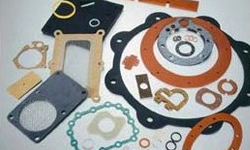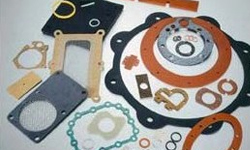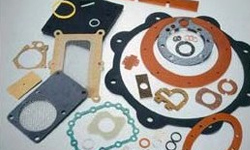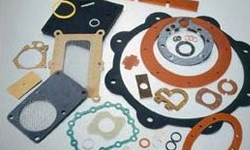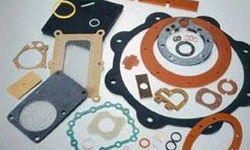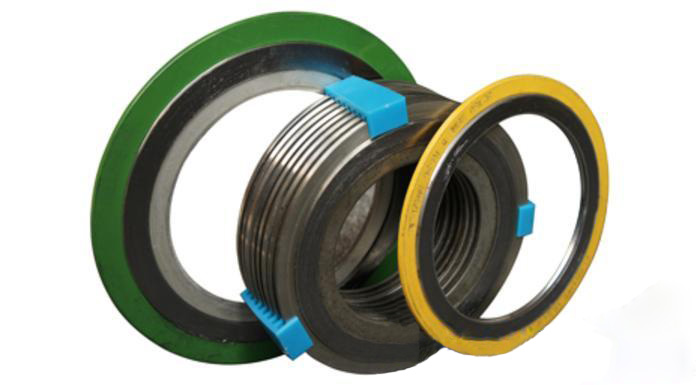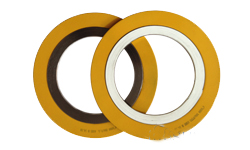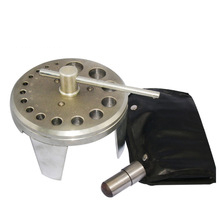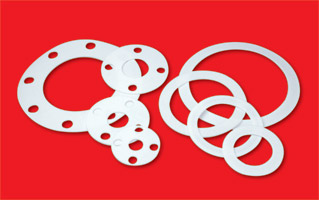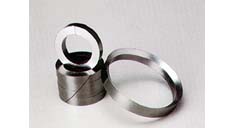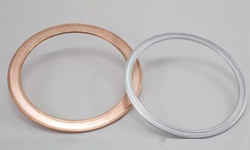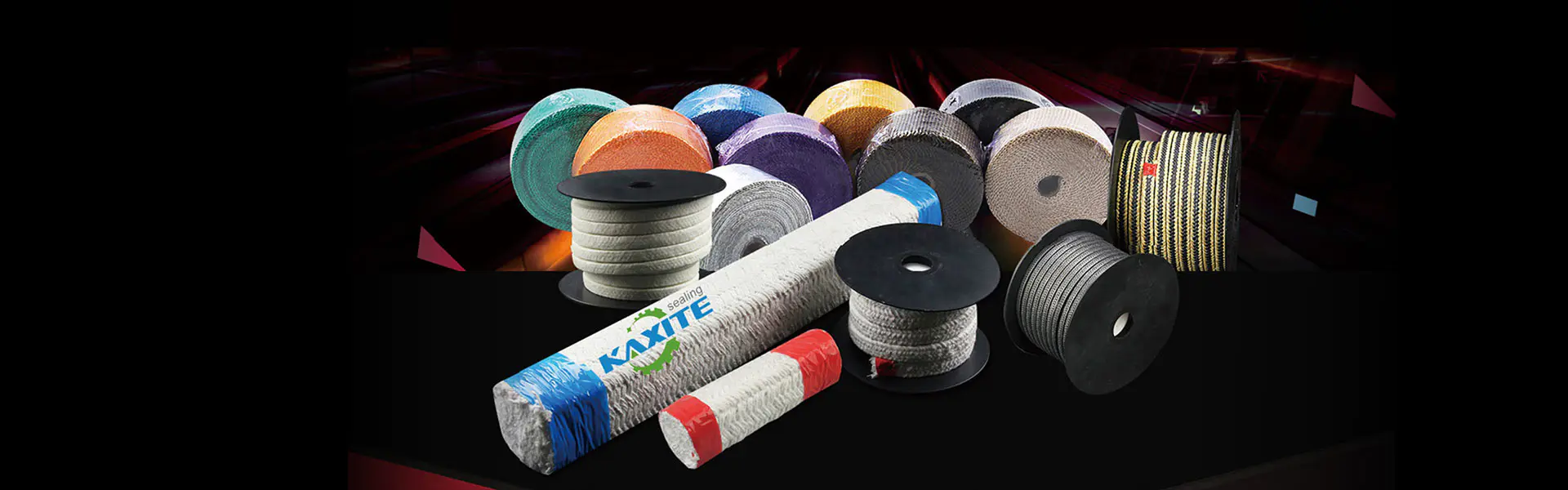
In the intricate world of manufacturing, construction, and mechanical assembly, the integrity of a system often hinges on the smallest components. Among these, the Rubber Gaskets stands as a fundamental element, a silent guardian against leaks, contamination, and pressure loss. A high-quality gasket is not merely a piece of rubber; it is a precision-engineered seal designed to fill the space between two or more mating surfaces, ensuring a perfect barrier under compressive load. Its applications are vast, spanning from automotive engines and industrial pipelines to electrical enclosures and medical devices. The failure of a single gasket can lead to operational downtime, safety hazards, and significant financial loss. Therefore, selecting the correct gasket material and design is not a choice but a critical engineering decision.
At Kaxite Sealing, we have dedicated decades to mastering the science and application of sealing technology. We understand that every application has unique demands—different temperatures, chemical exposures, pressures, and environmental conditions. Our mission is to provide not just a product, but a reliable sealing solution tailored to your specific challenges. This guide delves deep into the world of rubber gaskets, exploring their types, materials, key parameters, and best practices for selection, showcasing why Kaxite Sealing is the trusted partner for industries worldwide.
Kaxite Sealing offers an extensive portfolio of rubber gaskets, manufactured from a variety of elastomers to meet diverse operational requirements. Each material possesses distinct properties that make it suitable for specific environments.
To ensure optimal performance and longevity, it is crucial to match the gasket's technical specifications with the application's demands. The following table outlines key performance metrics for Kaxite Sealing's primary rubber compounds. These values are derived from standard ASTM tests and provide a benchmark for material selection.
| Material | Temperature Range | Hardness (Shore A) | Tensile Strength (MPa) | Key Fluid Resistance | Primary Applications |
|---|---|---|---|---|---|
| Nitrile (NBR) | -30°C to +120°C | 40 - 90 | 10 - 25 | Oils, Fuels, Aliphatic Hydrocarbons | Fuel Systems, Hydraulic Seals |
| EPDM | -50°C to +150°C | 30 - 90 | 7 - 21 | Hot Water, Steam, Ozone, Weather | Cooling Systems, Outdoor Seals |
| Silicone (VMQ) | -60°C to +230°C | 20 - 80 | 4 - 10 | Extreme Temperatures, UV Light | Medical, Food & Beverage, Gasketing |
| Fluoroelastomer (FKM) | -20°C to +200°C | 50 - 90 | 7 - 20 | Aromatic Hydrocarbons, Acids, Aggressive Chemicals | Chemical Processing, Oil & Gas |
| Neoprene (CR) | -40°C to +100°C | 40 - 90 | 10 - 25 | Moderate Oils, Weather, Fire Resistance | Refrigeration, Marine, Industrial |
Beyond material choice, the physical design of the gasket is paramount. Kaxite Sealing engineers consider several factors to design the most effective seal.
Q: What is the main difference between a rubber gasket and an O-ring?
A: While both are seals, their design and application differ. A gasket is typically a static seal used to fill the space between two flat or flanged surfaces, such as pipe flanges or engine covers. It often comes in sheet form or complex custom shapes. An O-ring is a torus (doughnut-shaped) seal designed to sit in a groove and create a seal between two parts that move relative to each other (dynamic seal) or between static parts (static seal). It is primarily used in hydraulic and pneumatic systems.
Q: How do I determine the correct hardness (durometer) for my rubber gasket?
A: Hardness, measured in Shore A, indicates the material's resistance to indentation. Softer gaskets (lower Shore A, e.g., 40-60) conform better to uneven surfaces and require lower sealing force, making them ideal for delicate flanges or rough surfaces. Harder gaskets (higher Shore A, e.g., 70-90) offer greater resistance to extrusion under high pressure and provide more structural integrity but require higher compressive force. Kaxite Sealing experts can help you balance conformability and extrusion resistance based on your flange conditions and pressure.
Q: Can Kaxite Sealing provide gaskets resistant to extreme temperatures?
A: Absolutely. Our material portfolio includes specialized compounds for extreme conditions. For continuous high-temperature applications up to 230°C (446°F), our silicone rubber gaskets are an excellent choice. For scenarios involving both high heat and aggressive chemicals, Fluoroelastomer (FKM) gaskets are recommended. For cryogenic or very low-temperature environments, specially formulated EPDM or silicone compounds can perform effectively. We provide detailed temperature resistance data for all our materials.
Q: Why does my EPDM gasket fail when exposed to petroleum-based oils?
A: EPDM has poor resistance to petroleum-based oils, fuels, and hydrocarbons. Exposure to these fluids causes the EPDM compound to swell significantly, lose its mechanical strength, and ultimately fail. This is a classic case of material incompatibility. For sealing applications involving oils and fuels, a Nitrile (NBR) or Fluoroelastomer (FKM) gasket from Kaxite Sealing would be the correct choice, as these materials are specifically engineered to resist swelling and degradation from such fluids.
Q: What are the benefits of choosing custom-molded gaskets over die-cut sheet gaskets?
A: Die-cut gaskets from sheets are cost-effective for simple shapes, prototypes, or low-volume needs. However, for complex geometries, critical sealing applications, or high-volume production, custom-molded gaskets offer superior advantages. Molding allows for precise control over cross-sectional dimensions, consistent density throughout the part, and the inclusion of complex features like lips, ribs, or metal inserts for reinforcement. Custom molding at Kaxite Sealing ensures a perfect fit, optimal seal performance, and often better long-term cost efficiency for large-scale projects.
Q: How important is the surface finish of the flange for a rubber gasket to seal properly?
A: Flange surface finish is critically important. A surface that is too rough can abrade the gasket, create leak paths, and require excessive bolt load to achieve a seal. A surface that is too smooth (e.g., mirror finish) may not allow the gasket to grip adequately, leading to creep and seal failure under pressure. A typical recommended surface finish for static rubber gaskets is between 125 and 250 microinches Ra (3.2 to 6.3 micrometers Ra). Ensuring flange flatness and freedom from scratches or warping is equally crucial for a reliable seal.
Proper installation and storage are the final steps in guaranteeing the performance of your rubber gaskets. Always clean both sealing surfaces thoroughly to remove any old gasket material, dirt, or grease. Inspect the new Kaxite Sealing gasket for any defects before installation. Use a suitable lubricant if recommended (water-soap solution for many, specific lubricants for others) to aid positioning without stretching. Follow a cross-pattern torque sequence when tightening bolts to apply even compression across the gasket face. Avoid over-torquing, which can crush the gasket and cause failure. Store gaskets in a cool, dark, dry place away from ozone sources (like electric motors), direct sunlight, and extreme temperatures to prevent premature aging.