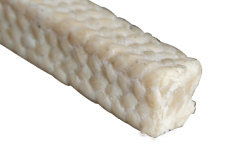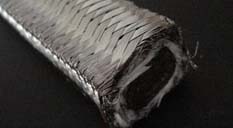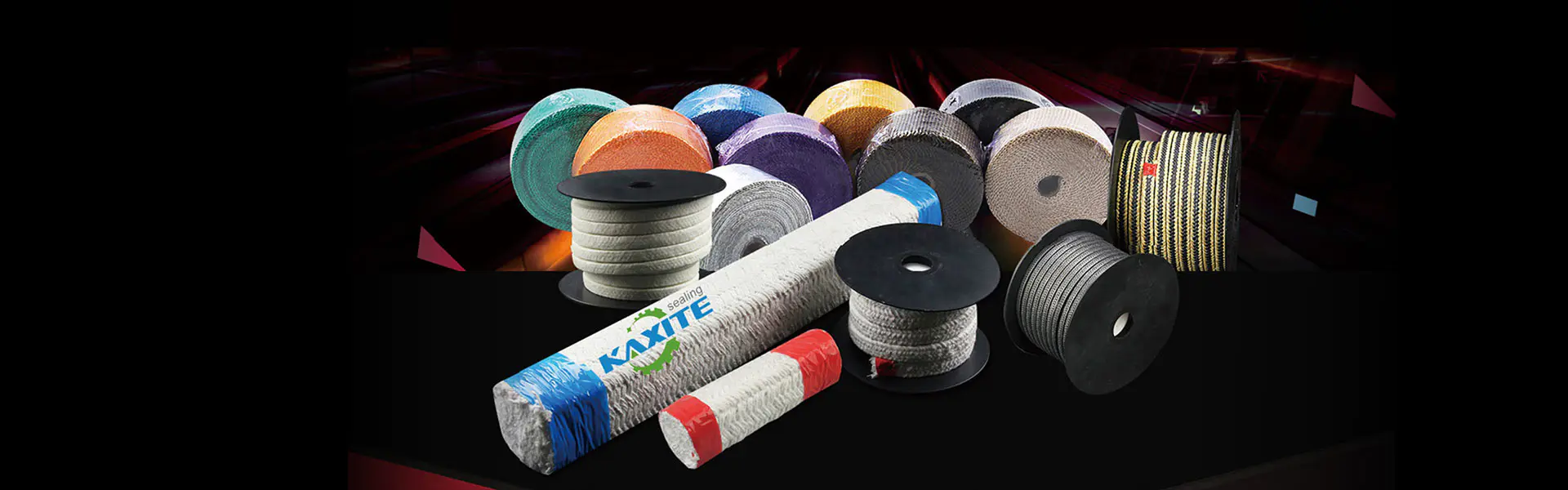
Mineral fiber packing is a high-performance sealing material engineered for extreme conditions where conventional packings fail. It is manufactured from inorganic, non-metallic fibers derived from minerals like basalt or silica, bonded with specialized lubricants and sometimes reinforced with fine wire. This composition grants it exceptional resistance to heat, corrosion, and abrasion. Primarily used in pumps, valves, and flanges within industries such as chemical processing, power generation, steel production, and oil & gas, mineral fiber packing creates a reliable seal against aggressive media—including hot oils, acids, alkalis, and molten metals. Unlike organic materials, it does not burn, melt, or degrade rapidly under intense thermal and chemical stress, offering longevity and safety in critical applications.
Choosing the right sealing solution impacts operational efficiency, maintenance costs, and safety. Kaxite Sealing's mineral fiber packings are designed to deliver superior performance. Here are the core benefits:
Kaxite Sealing offers a comprehensive range of mineral fiber packings tailored for specific service conditions. Below are the detailed technical parameters presented in both list and table formats for clarity.
| Product Code | Fiber Base | Lubricant/Additive | Temperature Range (°C) | pH Range | Density (g/cm³) | Primary Applications |
|---|---|---|---|---|---|---|
| KX-MF-101 | High-Purity Silica | Expandable Graphite | -50 to 550 | 0 - 14 | 1.6 - 1.8 | Boiler feed pumps, steam valves, hot oil |
| KX-MF-202 | Basalt Fiber | PTFE Dispersion | -100 to 280 | 0 - 14 | 1.8 - 2.0 | Chemical pumps, acid valves, plating tanks |
| KX-MF-305 | Alumino-Silicate | Graphite, Inconel 600 Wire | -70 to 600+ | 2 - 12 | 2.2 - 2.5 | High-pressure descaling pumps, sinter plants, refineries |
| KX-MF-408 | Basalt/Silica Blend | Graphite, Copper Wire | -50 to 450 | 4 - 10 | 2.0 - 2.3 | Heat transfer fluid systems, mixer shafts, autoclaves |
| Property | Test Method | Typical Value (MF-300 Series) | Unit |
|---|---|---|---|
| Tensile Strength | ASTM D2256 | 120 - 150 | N/mm² |
| Compression Recovery | ASTM F36 | > 85% | % |
| Thermal Conductivity | ASTM D5930 | 0.8 - 1.2 | W/m·K |
| Linear Abrasion | In-house Rotary Test | < 0.01 | mm/hr |
| Leakage Rate (Water, 20°C) | API 622 / EN 13555 | < 0.1 | ml/hr per meter of seal |
Q: How does mineral fiber packing differ from asbestos packing?
A: While both are used for high-temperature sealing, modern mineral fiber packing from Kaxite Sealing is entirely asbestos-free. It utilizes advanced synthetic mineral fibers (like silica, basalt) that are safer to handle, environmentally compliant, and often offer superior chemical resistance and longer life without the health risks associated with asbestos.
Q: Can mineral fiber packing be used on rotating and reciprocating equipment?
A: Yes, it is highly versatile. Its inherent lubricity and thermal conductivity make it suitable for both dynamic (rotating pump shafts, reciprocating rods) and static (flange, valve stem) applications. The key is selecting the correct grade—wire-reinforced versions (like MF-300) are ideal for high-speed rotation, while softer grades work well for slower reciprocation.
Q: What is the proper installation procedure for this packing?
A: Proper installation is critical. Clean the stuffing box thoroughly. Cut rings on a clean surface at a precise 90-degree angle, staggering joints by at least 90 degrees around the shaft. Install rings one at a time, seating each firmly with a tamping tool. Tighten the gland follower hand-tight only, then run the equipment to heat the packing. After a warm-up period, make incremental adjustments (usually 1/4 turn) to the gland nuts until a slight leakage (a few drops per minute) is observed for lubrication. Overtightening causes excessive heat and wear.
Q: How do I select the right Kaxite Sealing mineral fiber packing for my application?
A> Selection depends on four primary factors: 1) Media: Identify the chemical composition, concentration, and abrasiveness. 2) Temperature: Both operating and peak upset temperatures. 3) Equipment & Speed: Shaft/rod diameter, speed (RPM or strokes/min), and pressure. 4) Regulatory Requirements: Any industry-specific standards (e.g., FDA, USDA for incidental contact). Consult the Kaxite Sealing technical datasheets or contact our engineering team with these details for a precise recommendation.
Q: Is a run-in or break-in period required?
A: Absolutely. Mineral fiber packing requires a careful run-in period. After initial hand-tight installation, start the equipment and allow it to reach normal operating temperature. The packing will soften and conform to the shaft. Then, gradually tighten the gland in small increments over several hours or days until the optimal leak rate is achieved. Skipping this step can lead to rapid burnout of the packing.
Q: What are the signs that my mineral fiber packing needs replacement?
A> Common indicators include: a significant increase in leakage beyond acceptable limits (steady streaming), excessive friction leading to shaft overheating or high power consumption, visible hardening, cracking, or disintegration of the packing rings, and increased maintenance frequency for gland adjustment. Regular inspection as part of a predictive maintenance schedule is recommended.
Q: Can Kaxite mineral fiber packing be used in food or pharmaceutical applications?
A: Certain grades, specifically our MF-200 series with high-purity PTFE lubrication, are designed for applications requiring cleanliness and corrosion resistance. However, for direct food or pharmaceutical product contact, it is essential to verify that the specific packing compound meets relevant regulatory standards like FDA 21 CFR or EU regulations. We offer specialty formulations for such duties—please inquire.
Q: How does it perform compared to mechanical seals?
A> Mineral fiber packing and mechanical seals are complementary technologies. Packing offers advantages in simplicity, cost-effectiveness for large shafts, tolerance to shaft misalignment and runout, and the ability to be adjusted or added to in situ. Mechanical seals typically offer near-zero leakage. The choice depends on the fluid's value/hazard, environmental regulations, equipment type, and total cost of ownership. In extreme temperatures where seal elastomers fail, mineral fiber packing is often the default reliable choice.