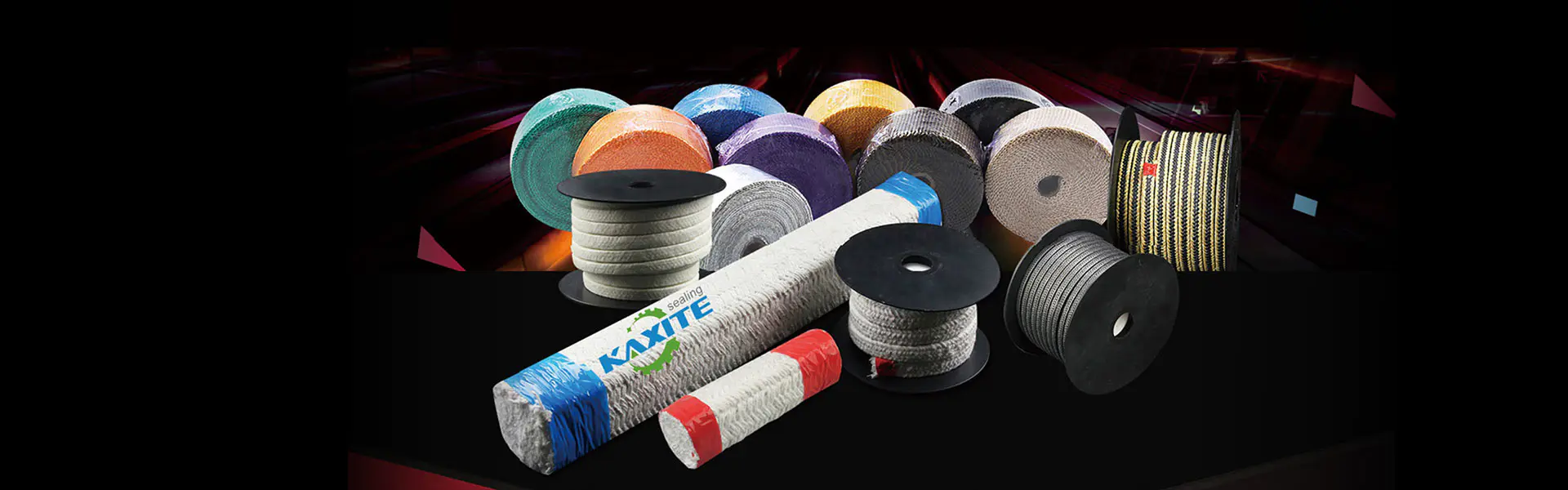
In the intricate world of industrial machinery and fluid systems, the integrity of every connection is paramount. A single point of failure can lead to costly downtime, safety hazards, and significant product loss. This is where the critical role of gasket materials comes into sharp focus. As a foundational component, the gasket material acts as a silent guardian, creating a reliable seal between two or more mating surfaces, preventing leaks of liquids or gases, and compensating for surface imperfections. At Kaxite Sealing, with decades of expertise in precision sealing solutions, we understand that selecting the correct gasket material is not a choice—it's a calculated engineering decision.
The performance and longevity of a gasket are directly dictated by its material composition. An inappropriate material selection can lead to premature failure, regardless of the design. Therefore, a deep understanding of material properties, application environments, and industry standards is essential. This comprehensive guide delves into the world of gasket materials, exploring their types, key parameters, and applications, empowering you to make an informed decision for your specific sealing challenge.
Core Types of Gasket Materials
Gasket materials are broadly categorized based on their composition and structure. Each category offers unique advantages and is suited for specific service conditions.
1. Non-Metallic Materials
These are often composite materials, known for their compressibility and sealing ability at lower pressures and temperatures.
- Compressed Non-Asbestos (CNA) / Aramid Fiber: The modern, safe replacement for asbestos. Sheets are made from aramid fibers (like Kevlar®), synthetic rubbers, and fillers. They offer excellent chemical resistance, good temperature resilience (up to 400°F / 204°C), and are suitable for a wide range of media including water, steam, oils, and many chemicals. Kaxite Sealing's KX-CNA series provides superior stability and creep resistance.
- Graphite: Known for its exceptional thermal conductivity and stability in extreme temperatures (from cryogenic to 3000°F / 1650°C in inert atmospheres). Flexible graphite sheets are highly conformable, sealing even on rough surfaces. They require careful handling as they are susceptible to galvanic corrosion and oxidation in high-temperature oxidizing environments unless treated or clad.
- Polytetrafluoroethylene (PTFE): The "king" of chemical resistance. PTFE is virtually inert, handling nearly all aggressive chemicals. It has a wide temperature range (-400°F to 500°F / -240°C to 260°C) but is prone to cold flow (creep) under high load. Kaxite offers filled PTFE compounds (with glass, carbon, or bronze) to improve creep resistance and mechanical properties.
- Rubber Elastomers (NBR, EPDM, FKM/Viton®, CR, Silicone): Used for molded or cut gaskets. Each type has specific strengths:
- NBR (Nitrile): Excellent resistance to oils, fuels, and hydrocarbons.
- EPDM: Superior weather, ozone, and steam resistance.
- FKM (Fluorocarbon): Outstanding high-temperature and chemical resistance.
- Silicone: Wide temperature flexibility and good biocompatibility.
2. Metallic Materials
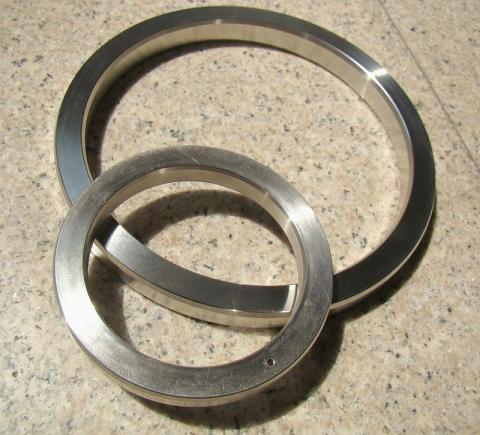
Used for high-pressure, high-temperature applications, often in ring-type joints (RTJ) or corrugated metal gaskets.
- Soft Metals: Aluminum, Copper, Brass. Offer good conformability and conductivity.
- Steels: Low carbon steel, 304/316 Stainless Steel. Provide strength and corrosion resistance.
- High-Performance Alloys: Inconel®, Monel®, Titanium. Used in the most demanding corrosive and high-temperature environments like chemical processing and aerospace.
3. Composite Materials
These materials combine the sealing performance of non-metallics with the strength and temperature resistance of metal.
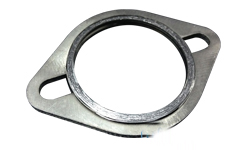
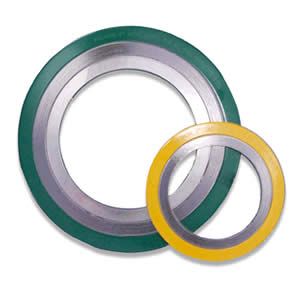
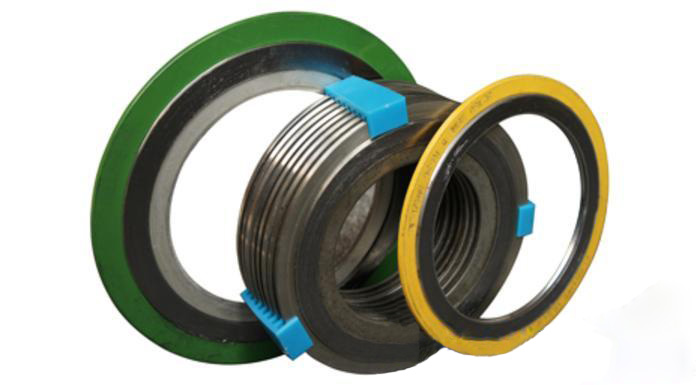
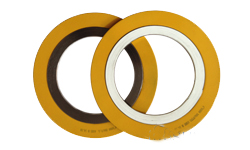
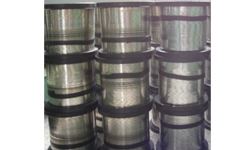
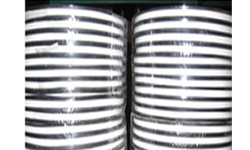
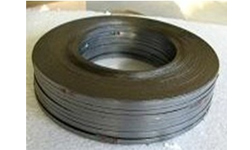
- Spiral-Wound Gaskets: A V-shaped metal strip wound alternately with a soft filler material (graphite, PTFE, mica). They provide excellent resilience and sealability across a wide pressure/temperature range. Kaxite Sealing specializes in custom-wound gaskets to exacting specifications.
- Metal-Clad Gaskets: A soft filler core (graphite, CNA) fully enclosed in a metal jacket (usually stainless steel). Ideal for heat exchangers and flanges with uneven seating stress.
- Camprofile Gaskets: Feature a solid metal core with concentric grooves and a sealing layer (usually graphite) on top and bottom. They offer high performance with lower bolt load requirements compared to solid metal gaskets.
Critical Material Parameters & Selection Criteria
Choosing the right gasket material requires analyzing the following key parameters against your application's demands.
| Parameter | Description | Why It Matters | Kaxite Sealing Insight |
|---|---|---|---|
| Temperature Range | The minimum and maximum continuous operating temperatures the material can withstand. | Exceeding limits can cause hardening, degradation, or creep, leading to seal failure. | Our datasheets provide clear min/max ratings for each material grade. For cyclic temperatures, we recommend materials with high resilience like spiral-wound designs. |
| Pressure (PSI/Bar) | The internal pressure the gasket must seal against. | High pressure can extrude soft materials. The gasket must have sufficient strength and blow-out resistance. | We match material density and thickness to your system pressure. Composite gaskets are ideal for high-pressure/variable-load applications. |
| Chemical Compatibility | The resistance of the material to the media (fluid or gas) being sealed. | Chemical attack can swell, soften, or corrode the gasket, causing leaks and contamination. | Kaxite provides comprehensive chemical resistance charts. For unknown or mixed media, PTFE or PTFE-envelope gaskets are often a safe choice. |
| Compressibility & Recovery | Compressibility: How much the material deforms under load. Recovery: Its ability to return to original thickness after load release. | Good compressibility ensures sealing on imperfect surfaces. Good recovery allows the gasket to maintain seal during pressure/temperature cycles. | Our CNA and graphite sheets offer an optimal balance. For flange rotation or vibration, high-recovery materials are critical. |
| Creep Relaxation | The loss of bolt load over time as the gasket material flows or settles. | High creep leads to a drop in sealing stress, resulting in leaks. It's a key factor for long-term maintenance-free service. | Kaxite's specially formulated materials, like our KX-HCR (High Creep Resistance) graphite, are engineered to minimize stress loss. | Flange Surface & Condition | The finish (smooth, serrated) and flatness of the mating flanges. | Rough surfaces require softer, more conformable materials. Smooth surfaces can use harder materials. | We advise on the optimal material hardness and style based on your ASME B16.5 or B16.47 flange specifications. |
Gasket Materials: Frequently Asked Questions (FAQ)
Q: What is the most important factor when selecting a gasket material?
A: There is no single most important factor; it's a balance of all conditions. However, chemical compatibility and temperature range are the primary gatekeepers. A material must first survive the chemical and thermal environment before other factors like pressure are considered. Always start your selection by defining the media and its temperature.
Q: Can I reuse a gasket after disassembling a flange connection?
A: It is strongly discouraged and rarely acceptable. During installation, a gasket is compressed to its "seating stress" and undergoes creep relaxation. Once removed, it has permanently deformed and lost its original sealing resilience. Reusing it almost guarantees a leak path. Kaxite Sealing always recommends using a new gasket for any reassembled joint to ensure system integrity and safety.
Q: What's the difference between a gasket and a seal?
A: The terms are often used interchangeably, but technically, a gasket is a static seal designed for sealing between two stationary, flat surfaces (flanges). A seal is a broader term that often refers to dynamic sealing applications, where there is movement between parts, such as with shaft seals (lip seals, mechanical seals). Both are sealing elements, but their designs and material requirements differ fundamentally.
Q: Why do graphite gaskets sometimes require a coating or metallic facing?
A: Pure exfoliated graphite is susceptible to oxidation (burning) in high-temperature, oxidizing atmospheres above approximately 450°C (842°F). It can also suffer from galvanic corrosion when in contact with certain dissimilar metals. To mitigate this, graphite is often coated with an oxidation-resistant agent or, more effectively, clad with a metal jacket (as in metal-clad gaskets) or used as a filler in spiral-wound gaskets where the metal windings protect it.
Q: How do I determine the correct thickness for my gasket?
A: Thickness is a function of flange type, surface condition, and required sealability. General guidelines: 1/16" (1.5mm) is common for standard raised face flanges. Thicker gaskets (1/8" or 3mm) are used for irregular or pitted surfaces as they have more material to conform. Thinner gaskets (0.8mm or less) are used for high-pressure applications to reduce creep and blow-out risk. For critical applications, consult engineering standards or a Kaxite Sealing application engineer.
Q: What are the advantages of specifying a custom gasket material from Kaxite Sealing?
A: Off-the-shelf materials are a compromise. Working with Kaxite Sealing allows you to tailor a material's recipe. We can adjust filler percentages, binder types, and calendering processes to optimize for specific properties—higher tensile strength, lower creep, enhanced acid resistance, or improved compressibility. This results in a gasket that delivers longer service life, reduced maintenance, and higher reliability in your unique operating environment, ultimately lowering your total cost of ownership.
Industry Applications & Material Recommendations
Different industries present unique challenges. Here’s a brief overview of typical material selections.
- Oil & Gas (Pipelines, Refineries): High-pressure, high-temperature, and sour service (H2S) are common. Spiral-wound gaskets (SS316/Graphite) and Ring Type Joints (RTJ) are standard for critical flanges. For general service, CNA and Graphite sheets are widely used.
- Chemical Processing: Extreme chemical resistance is paramount. PTFE-based gaskets (envelope, filled) and PTFE-lined spiral-wound gaskets are predominant. For high-temperature reactors, flexible graphite with appropriate anti-oxidant treatment is selected.
- Power Generation (Steam, Water): Systems involve cycling temperatures and pressures. Graphite excels here due to its thermal stability and recovery. Spiral-wound (SS304/Graphite) gaskets are used for main steam lines. EPDM is common for cooling water systems.
- Food & Pharmaceutical: Sanitary standards and non-toxicity (FDA, USP Class VI compliance) are required. PTFE, Silicone, and EPDM are the primary materials, often used in molded or clean-cut sheet form for easy cleaning and sterilization.
- Marine & Offshore: Materials must resist saltwater, weathering, and often fire (safety approvals like SOLAS). Aramid-based CNA, EPDM, and Grafoil® are typical choices, along with certified spiral-wound gaskets for pressurized systems.