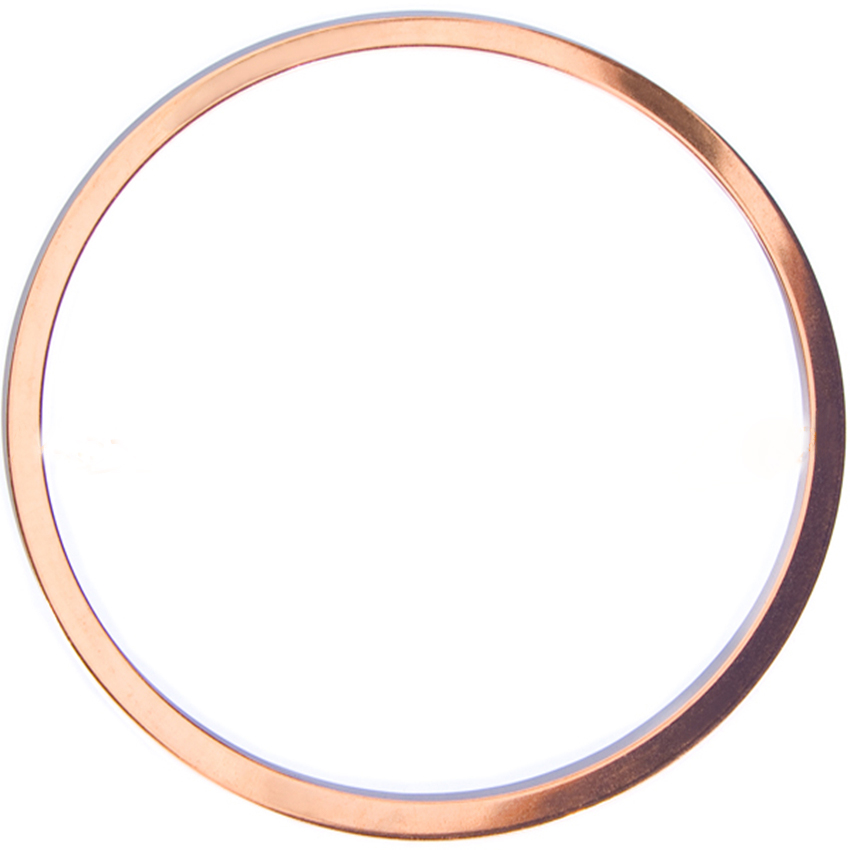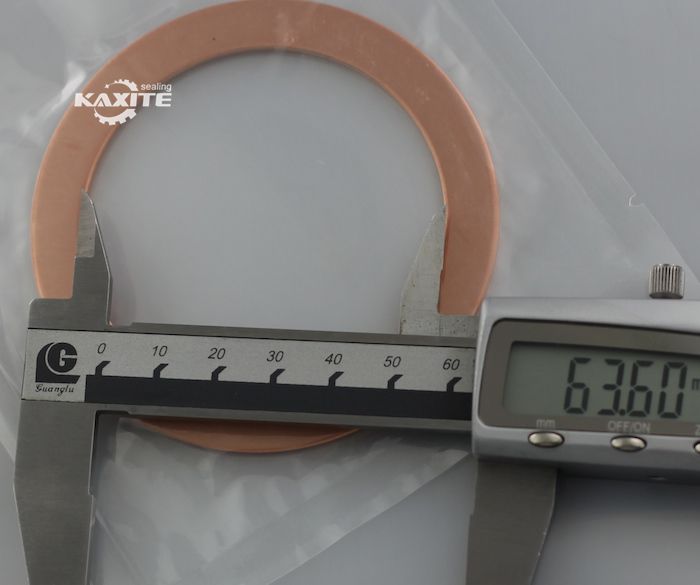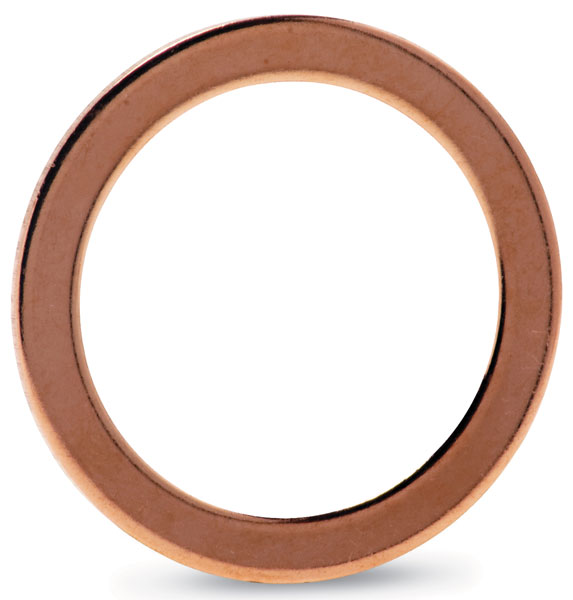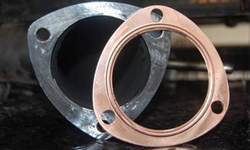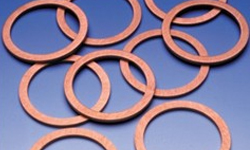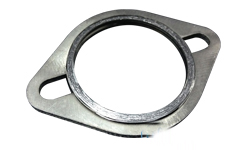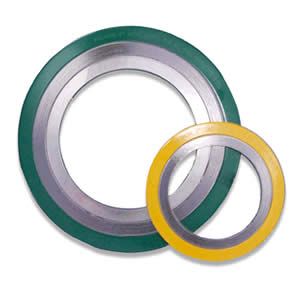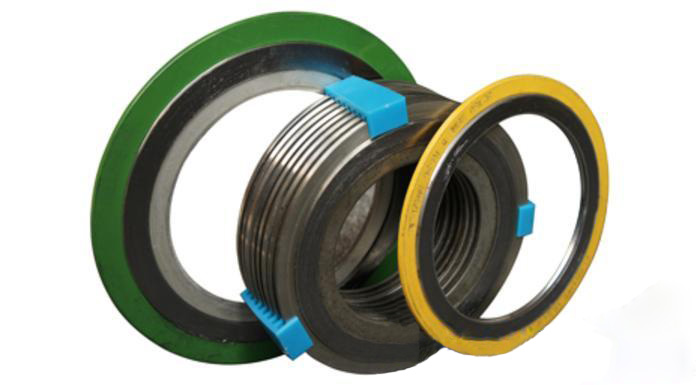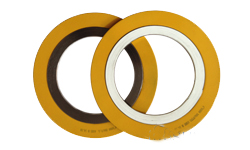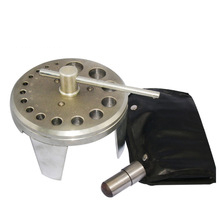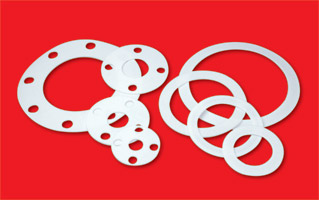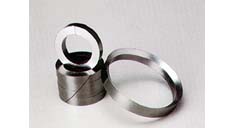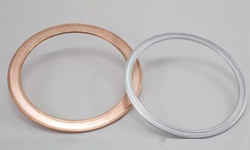
In demanding industrial environments where reliability is non-negotiable, the sealing component is often the linchpin of system integrity. Among the most trusted solutions for high-temperature, high-pressure, and corrosive applications are Copper Gaskets. Renowned for their malleability, excellent thermal conductivity, and superior sealing properties, these gaskets form a secure, leak-proof barrier in some of the toughest conditions. At Kaxite Sealing, we leverage decades of material science expertise to engineer copper gaskets that don't just meet specifications—they exceed expectations for durability and performance, ensuring your critical systems operate flawlessly.
Copper's unique physical properties make it an ideal material for sealing applications. Its inherent softness allows it to deform under compression, conforming perfectly to flange surface imperfections to create an exceptional seal. This cold flow property ensures a tight, metal-to-metal seal that is highly effective. Furthermore, copper boasts exceptional thermal conductivity, which helps dissipate heat evenly across the flange face, reducing thermal stress. It is also resistant to many solvents, oils, and refrigerants. However, it is less suitable for applications involving ammonia, certain acids, or oxidizing salts. For these scenarios, Kaxite Sealing offers expert consultation to recommend the optimal material.
Selecting the correct gasket involves understanding its precise specifications. Below are the critical parameters that define our product range.
| Parameter | Typical Value / Range | Test Standard | Significance |
|---|---|---|---|
| Hardness (Rockwell B) | 30 - 60 HRB | ASTM E18 | Indicates softness/malleability for conformability. |
| Tensile Strength | 30,000 - 40,000 psi | ASTM E8 | Measures the material's resistance to breaking under tension. |
| Maximum Continuous Service Temperature | 400°F (204°C) | - | Temperature limit before significant annealing/softening occurs. |
| Thermal Conductivity | 223 - 226 W/m·K | ASTM E1225 | Critical for heat dissipation in high-temperature flanges. |
| Yield Strength (0.5% Ext under load) | 10,000 - 25,000 psi | ASTM E8 | Indicates the stress point where permanent deformation begins. |
The effectiveness of a copper gasket is also determined by its cross-sectional design, each suited for specific pressure ratings and sealing philosophies.
| Gasket Type | Description | Best For | Pressure Rating |
|---|---|---|---|
| Flat Ring Gasket (Plain) | A simple, solid ring of rectangular cross-section. | Standard flanges, heat exchangers, general industrial use. | Medium |
| Corner Profile Gasket | Features a 90-degree bend; one leg sits inside the groove, the other against the flange face. | ASME B16.20 and API 6A groove applications. | High |
| RTJ (Ring Type Joint) Gasket | Octagonal or oval cross-section designed to fit into specially machined steel flanges. | Extremely high-pressure oil & gas, chemical processing (ASME B16.5, B16.47). | Very High |
| Spiral-Wound with Copper Filler | Metal winding with a soft copper filler, offering spring-like resilience. | Applications with thermal cycling or flange rotation. | High |
| Custom-Profiled Gaskets | Tailored shapes (e.g., X, K, R profiles) for specialized grooves. | Unique OEM equipment, turbines, vacuum systems. | Varies |
Our manufacturing process is what sets Kaxite Sealing apart. We begin with rigorously certified raw material coils, ensuring traceability and purity. Precision blanking and CNC machining guarantee dimensional accuracy to tolerances as tight as ±0.001 inches (±0.025 mm). For critical applications, we perform stress-relief annealing to achieve the perfect balance of softness for sealing and strength for handling. Every batch undergoes stringent quality checks, including dimensional verification and visual inspection for surface defects. This commitment to precision ensures that every Kaxite Sealing copper gasket delivers reliable, leak-free performance from the first installation.
Q: Can copper gaskets be reused?
A: Generally, copper gaskets are not recommended for reuse. They are designed as single-use sealing elements. The initial bolt tightening causes the soft copper to plastically deform (cold flow) into the micro-imperfections of the flange faces, creating a custom, tight seal. Removing and reinstalling a used gasket will not recreate this optimal seal, as the gasket has already taken a "set." Reuse significantly increases the risk of leaks. Kaxite Sealing always advises using a new gasket for each assembly to ensure system integrity.
Q: What is the proper torque procedure for installing a copper ring gasket?
A: Correct installation is critical. Use a calibrated torque wrench and follow a cross-pattern or star-pattern tightening sequence in multiple stages (e.g., 30%, 60%, 100% of final torque). This ensures even compression and prevents flange distortion. The final torque value must adhere to the flange manufacturer's specifications or relevant standard (e.g., ASME PCC-1). Avoid over-torquing, as it can extrude the soft copper, damaging the gasket and potentially galling the flange surfaces.
Q: How do I choose between a flat ring gasket and an RTJ gasket?
A: The choice is dictated by the flange design and application pressure. Flat ring gaskets are used with flat-face or raised-face flanges and are suitable for low to medium pressures. RTJ (Ring Type Joint) gaskets are used with flanges that have machined grooves (RTJ flanges) and are designed for very high-pressure services, common in oil & gas production, refineries, and high-pressure steam lines. Always match the gasket profile (octagonal or oval) and size precisely to the flange groove specifications.
Q: Are copper gaskets suitable for oxygen service?
A: Copper gaskets can be used in oxygen service, but they require special preparation. The gaskets must be thoroughly degreased and cleaned to remove all hydrocarbons and contaminants that could pose a fire risk in a high-oxygen environment. It is crucial to follow strict cleaning protocols, often specified in standards like ASTM G93. Kaxite Sealing can supply copper gaskets cleaned and packaged for oxygen service upon request.
Q: What causes a copper gasket to leak after installation?
A: Several factors can cause leaks: 1) Improper Surface Finish: Flange faces should have a smooth, flat finish (typically 125-250 µin Ra for serrated finishes). Scratches or warping prevent a good seal. 2) Incorrect Gasket Hardness: A gasket that is too hard won't conform; one that is too soft may extrude. 3) Uneven or Insufficient Bolt Load: Leads to uneven compression. 4) Thermal Cycling: Can cause bolts to loosen over time, requiring re-torquing per procedure. 5) Chemical Attack: Exposure to incompatible media like ammonia. A root cause analysis by a specialist like Kaxite Sealing can identify and resolve the issue.
Q: How does Kaxite Sealing ensure the quality of its copper gaskets?
A> Kaxite Sealing implements a full quality management system. We start with certified mill test reports for all copper raw materials. Our manufacturing uses precision tooling and CNC equipment for consistent dimensions. We perform in-process inspections and final batch inspections, including dimensional checks with calibrated instruments, visual exams for defects, and, for select orders, hardness testing. We provide material certifications and traceability documentation with every shipment, giving our customers complete confidence in the product's origin and specifications.