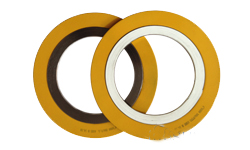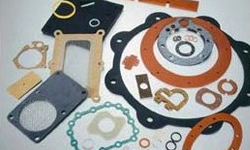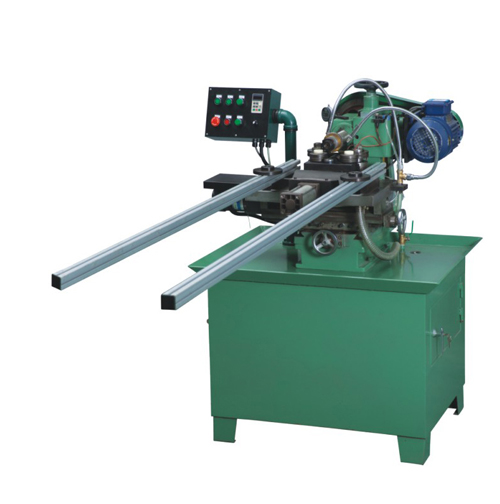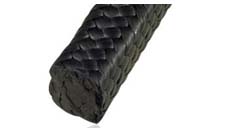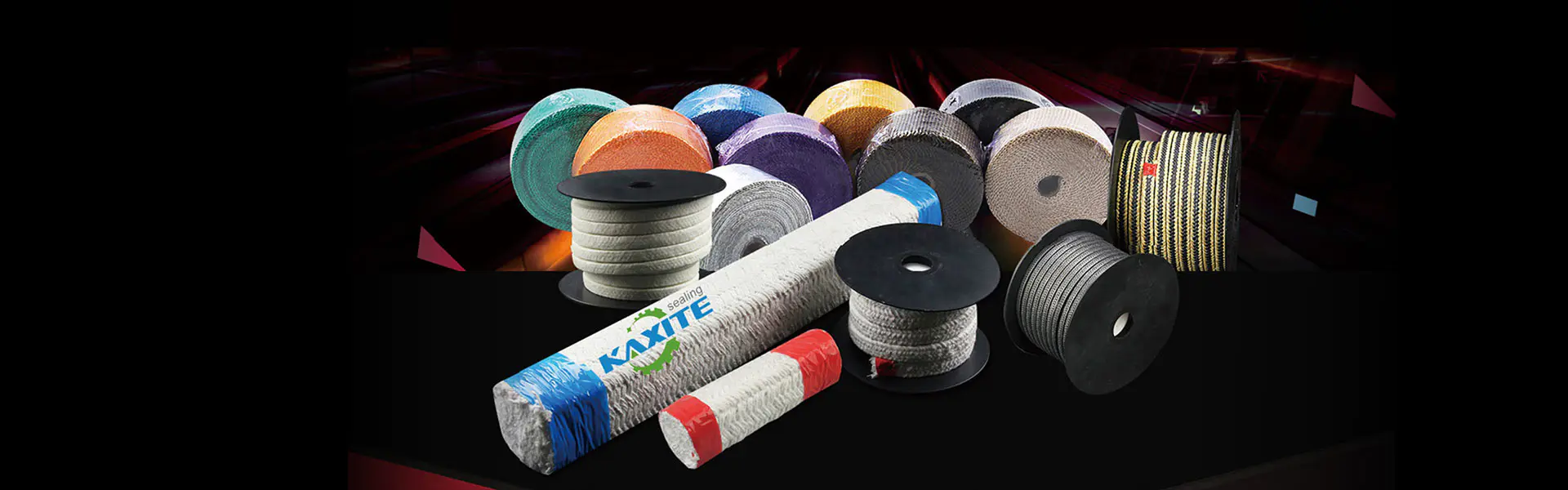
In the intricate world of industrial operations, the integrity of pumps, valves, flanges, and reactors hinges on one critical component: the sealing solution. Packing materials are the unsung heroes that prevent leaks, contain pressures, and ensure the safe, efficient, and environmentally compliant transfer of fluids—from water and steam to aggressive chemicals and high-temperature gases. Selecting the correct packing is not merely a maintenance task; it is a fundamental engineering decision that impacts operational safety, downtime costs, and overall plant productivity. For over two decades, Kaxite Sealing has been at the forefront of this field, engineering advanced packing solutions that set the benchmark for performance and reliability across global industries.
This guide delves deep into the technical specifications, selection criteria, and practical application of modern packing materials. We will explore the various fiber types, their compatible media, pressure-temperature limits, and the unique advantages offered by Kaxite Sealing's proprietary formulations.
Modern packing materials are engineered from a variety of fibers, each impregnated with lubricants and PTFE or reinforced with corrosion-resistant alloys to meet specific service conditions. The core material defines the packing's basic character.
Selecting a packing material requires a detailed analysis of the operating conditions. The following table outlines the key parameters for primary material types, including premium grades from Kaxite Sealing.
| Material Type | Temperature Range (°C / °F) | pH Range | Max. Shaft Speed (m/s) | Primary Media Compatibility | Kaxite Sealing Grade Example |
|---|---|---|---|---|---|
| Aramid Fiber | -100 to 300°C / -148 to 572°F | 4 - 11 | 25 | Hot water, steam, oils, mild chemicals | KX-AramidPro™ |
| Carbon Fiber | -100 to 350°C / -148 to 662°F | 0 - 14 | 20 | Acids, alkalis, solvents, hydrocarbons | KX-Carboseal™ HS |
| Expanded Graphite | -200 to 3000°C* / -328 to 5432°F* (Inert) | 0 - 14 (non-oxidizing) | 2 (Gland) | Hot steam, molten metals, heat transfer salts | KX-GraphiMax™ Pure |
| PTFE Fiber | -260 to 280°C / -436 to 536°F | 0 - 14 | 15 | Strong acids/caustics, solvents, ultra-pure fluids | KX-PTFE++™ Food Grade |
| Advanced Composite (Aramid/PTFE) | -100 to 260°C / -148 to 500°F | 1 - 12 | 22 | General chemical duty, pulp & paper stock, abrasives | KX-DuraBraid™ 5000 |
*In non-oxidizing atmospheres. Requires careful evaluation for oxidizing conditions above 450°C (842°F).
For engineers and procurement specialists, here is a more granular breakdown of technical specifications for select Kaxite Sealing products.
| Product Code | Material Composition | Density (g/cm³) | Pressure Rating (Bar / psi) | Standard Sizes (inch/mm) | Industry Applications |
|---|---|---|---|---|---|
| KX-AG100 | 98% Pure Flexible Graphite, Inconel 600 Wire Insert | 1.5 - 1.9 | Up to 250 / 3625 | 1/4" to 2" (6mm to 50mm) | Refinery flare stacks, high-temp valves, autoclaves |
| KX-CF200 | Carbon Fiber, PTFE & Specialty Lubricant Impregnation | 1.2 - 1.4 | Up to 100 / 1450 | 3/16" to 1-1/2" (5mm to 38mm) | Chemical process pumps, agitators, mixers |
| KX-PT450 | 100% Virgin PTFE Filament, Corrosion Inhibitor | 1.6 - 1.8 | Up to 50 / 725 | 1/8" to 1" (3mm to 25mm) | Pharmaceutical, food & beverage, semiconductor |
| KX-DB5000 | Aramid/PTFE Hybrid Braid, High-Temp Grease | 1.3 - 1.5 | Up to 120 / 1740 | 1/4" to 1" (6mm to 25mm) | Power generation, water treatment, pulp & paper |
Q: What is the main difference between braided packing and molded/formed rings like graphite tape?
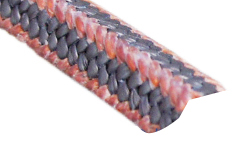
A: Braided packing, like our KX-DuraBraid™ line, is supplied on spools or in pre-cut coils. It is highly flexible, can be installed around shafts or into valve stems without disassembly in some cases, and is excellent for dynamic (rotary/reciprocating) applications. Molded rings, such as those from pure graphite or PTFE, are die-formed into precise, dense rings. They provide superior, uniform density for static or slow-reciprocating service (e.g., valve stems, flanges) and often handle extreme temperatures and pressures better. The choice depends on the application's motion, accessibility, and performance requirements.
Q: How do I determine the correct cross-sectional size and number of rings for my pump or valve?
A: The cross-section must match the precise clearance between the shaft and the stuffing box wall. Always measure the old packing or the box dimensions with calipers. As for the number of rings, a general rule is to have a packed length equal to 1.5 times the shaft diameter. For a 2-inch (50mm) shaft, you'd need approximately 3 inches (75mm) of packed length. Divide this by the cross-sectional size to get the number of rings. Always consult the equipment manual or a Kaxite Sealing engineer, as specific designs (e.g., deep vs. shallow boxes, lantern rings) can alter this calculation.
Q: Can packing materials handle both acids and alkaline solutions?
A: Most packing materials have a defined pH range of compatibility. Standard aramid or glass fiber may degrade outside a moderate pH range. For universal chemical resistance across a wide pH spectrum (0-14), PTFE-based packings (KX-PTFE++™) or high-purity flexible graphite (KX-GraphiMax™) are typically recommended. Kaxite Sealing's carbon fiber packings (KX-Carboseal™) also offer excellent broad-spectrum chemical resistance. It is crucial to match not just the pH but also the specific chemical composition, concentration, and temperature with the packing's material data sheet.
Q: What does "run-in" or "break-in" period mean for mechanical packing, and why is it important?
A: The run-in period is the initial operation phase after installing new packing. During this time, the packing adjusts to the gland, shaft, and operating conditions. The initial gland compression should be just enough to stop major leakage, allowing a slight drip for lubrication and cooling. Over 24-48 hours of operation, the packing exudes lubricants, conforms to the shaft, and the fibers settle. The gland nut is then gradually tightened in small increments until the desired leak rate (often a few drops per minute) is achieved. A proper run-in, as detailed in Kaxite Sealing installation guides, is critical to prevent overheating, premature wear, and shaft scoring, ensuring long packing life.
Q: Are there environmentally friendly or "green" packing material options?
A: Yes. The industry is moving towards solutions that reduce fugitive emissions and use safer materials. Kaxite Sealing addresses this with several options: 1) Low-Emission Graphite Packings: Our KX-GraphiMax™ grades use binders and treatments that minimize VOC outgassing. 2) PTFE-Free Alternatives: For applications concerned with perfluorinated compounds, we offer specialized aramid and carbon/graphite blends that deliver performance without PTFE. 3) Bio-based Lubricants: Select product lines use advanced, biodegradable lubricants instead of traditional oils. These solutions help plants meet stringent environmental regulations and sustainability goals.
Q: When should I consider switching from traditional packing to a mechanical seal?
A: Packing remains the superior choice for many applications due to its repairability, tolerance to shaft runout, and lower initial cost. However, a mechanical seal might be warranted if you require: 1) True Zero Leakage: For handling toxic, hazardous, or extremely valuable fluids. 2) Minimal Maintenance: In inaccessible locations or for pumps requiring very long uninterrupted run times. 3) High-Speed / High-Pressure Duty: Beyond the practical limits of even advanced packing. 4) Reduced Friction & Power Consumption: For significant energy savings. A Kaxite Sealing technical assessment can perform a full life-cycle cost analysis to determine the most economical and reliable solution for your specific case.
Even the highest-quality packing will underperform if installed incorrectly. Following a meticulous procedure is non-negotiable.
In a market saturated with generic products, Kaxite Sealing distinguishes itself through relentless innovation and deep application expertise. Our research and development team focuses on solving real-world sealing challenges, leading to patented hybrid constructions and proprietary impregnation technologies. We don't just sell packing; we provide engineered sealing systems backed by comprehensive technical support, including site surveys, failure analysis, and customized training for your maintenance personnel. Our global supply chain and stringent quality control, certified to ISO 9001 standards, ensure you receive a consistently superior product that maximizes mean time between repairs (MTBR) and minimizes total cost of ownership. Trust your critical operations to the materials engineered for certainty.