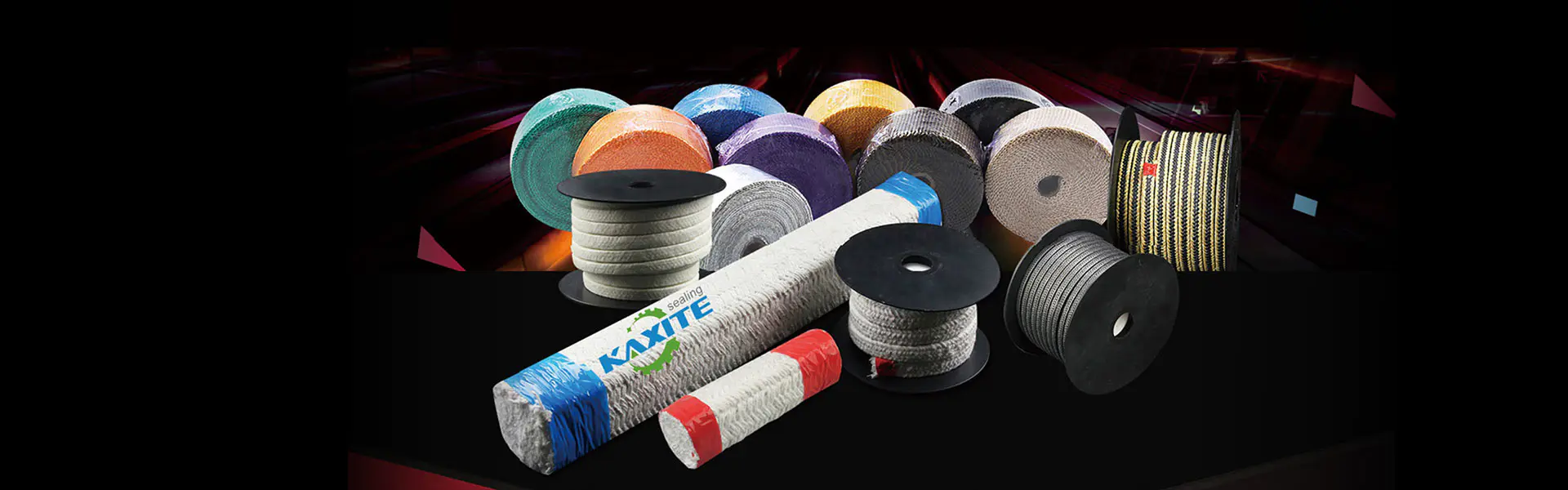
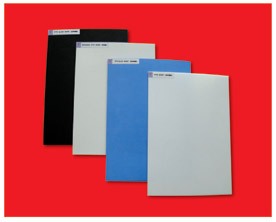
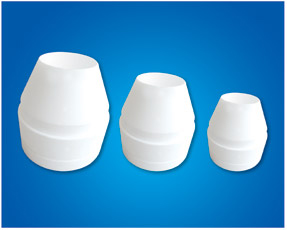
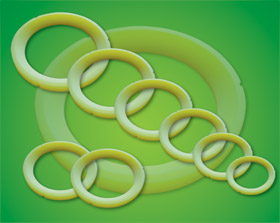
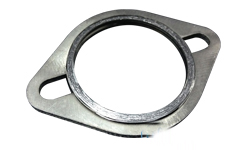
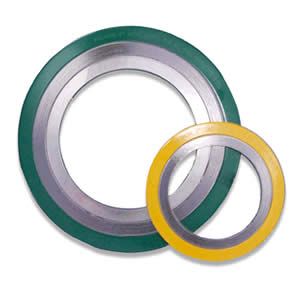
PTFE parts, also known as Teflon™ parts, are critical components engineered from Polytetrafluoroethylene, a high-performance fluoropolymer. At Kaxite Sealing, we specialize in manufacturing precision PTFE components that deliver exceptional chemical resistance, a wide operating temperature range, and an extremely low coefficient of friction. These properties make our parts indispensable in demanding applications across industries such as chemical processing, pharmaceuticals, food and beverage, semiconductor manufacturing, and automotive.
The unique molecular structure of PTFE, with its strong carbon-fluorine bonds, provides unparalleled inertness. Kaxite Sealing leverages advanced machining and molding techniques to transform raw PTFE into complex, reliable, and dimensionally stable parts that meet the most stringent specifications.
**Key Characteristics of Kaxite Sealing PTFE Parts:**
* **Exceptional Chemical Resistance:** Inert to nearly all industrial chemicals and solvents.
* **Broad Temperature Range:** Performs consistently from -200°C to +260°C (-328°F to +500°F).
* **Outstanding Non-Stick Properties:** Prevents adhesion of materials, ensuring easy cleanability and minimal product buildup.
* **Ultra-Low Friction Coefficient:** One of the lowest of any solid material, reducing wear and energy consumption.
* **Excellent Dielectric Properties:** A superb electrical insulator across a wide frequency range.
* **High Purity & FDA Compliance:** Many grades are suitable for food, medical, and semiconductor applications.
* **Zero Moisture Absorption:** Dimensions remain stable in humid or wet environments.
### In-Depth Technical Specifications of Our PTFE Components
To ensure optimal performance in your specific application, it is crucial to understand the material properties. Below is a detailed breakdown of the standard specifications for our virgin PTFE material.
#### Material Property Data Table
| Property |
Metric Unit |
Imperial Unit |
Test Standard |
| Density |
2.15 - 2.20 g/cm³ |
0.077 - 0.079 lb/in³ |
ASTM D792 |
| Tensile Strength |
20 - 35 MPa |
2900 - 5075 psi |
ASTM D638 |
| Elongation at Break |
250 - 350% |
250 - 350% |
ASTM D638 |
| Compressive Strength |
12 MPa |
1740 psi |
ASTM D695 |
| Coefficient of Friction (Dynamic) |
0.04 - 0.10 |
0.04 - 0.10 |
ASTM D1894 |
| Continuous Service Temperature |
-200°C to +260°C |
-328°F to +500°F |
- |
| Thermal Conductivity |
0.25 W/m·K |
1.73 BTU·in/(hr·ft²·°F) |
ASTM C177 |
| Dielectric Strength |
19 kV/mm |
483 V/mil |
ASTM D149 |
| Volume Resistivity |
>10¹⁸ Ω·cm |
>10¹⁸ Ω·cm |
ASTM D257 |
#### Common PTFE Part Types & Their Applications
Kaxite Sealing manufactures a comprehensive range of custom and standard PTFE parts.
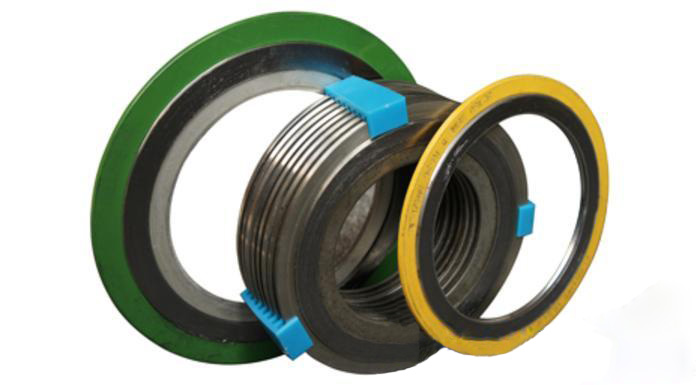
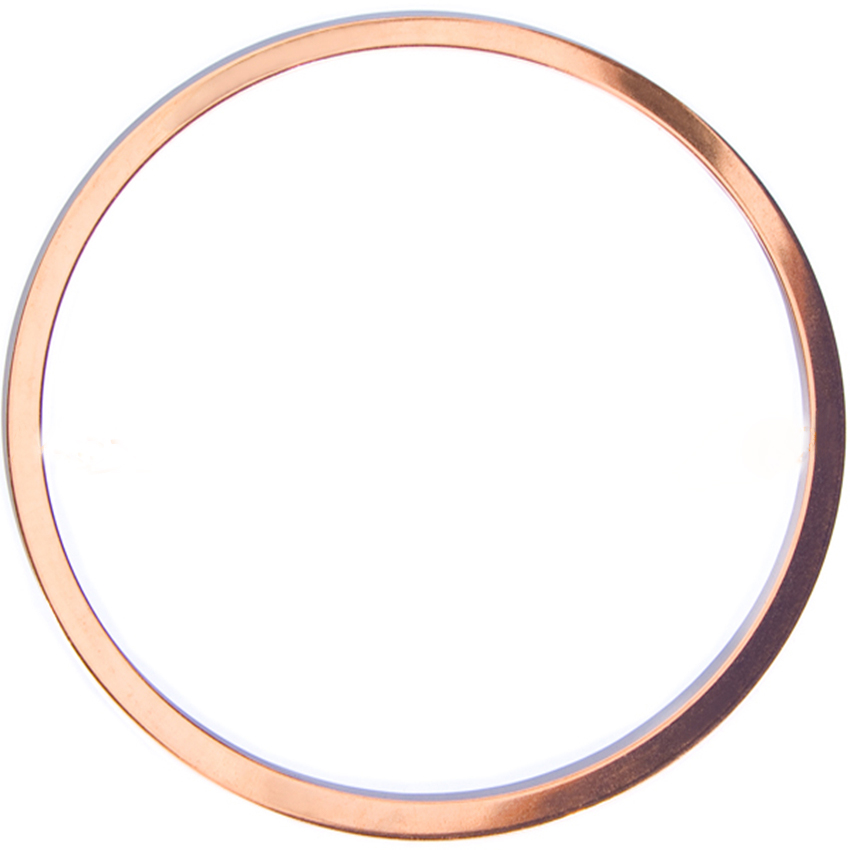
* **Gaskets & Seals:** Sheet-based, CNC-machined, or molded gaskets for flanges, pumps, and vessels in aggressive chemical service.
* **Bellows & Diaphragms:** Flexible, chemically inert components for pumps, valves, and actuators handling corrosive media.
* **Piston Rings & Wear Bands:** Low-friction, non-abrasive rings for hydraulic and pneumatic cylinders, compressors, and fluid handling equipment.
* **Insulators & Bushings:** High-performance electrical insulators for wires, cables, and components in electronics and high-voltage applications.
* **Screws, Bolts & Washers:** Corrosion-free fasteners for use in highly corrosive environments where metal would fail.
* **Custom Machined Components:** Complex shapes, liners, nozzles, and custom prototypes produced to exact customer drawings.
### Kaxite Sealing PTFE Parts: Frequently Asked Questions (FAQ)
**What is the main advantage of using PTFE parts over metal or rubber parts?**
The primary advantage is PTFE's near-universal chemical resistance combined with its high-temperature capability and low friction. Unlike metals, PTFE will not corrode in harsh chemicals. Unlike elastomers, it can withstand much higher temperatures and does not degrade as quickly under UV or ozone exposure.
**Can Kaxite Sealing PTFE parts be used in food processing applications?**
Yes. We offer PTFE grades that are compliant with FDA 21 CFR 177.1550 and EU regulations 10/2011 for food contact. These high-purity materials are non-toxic, non-absorbent, and easy to clean, making them ideal for food processing equipment, baking surfaces, and conveyor components.
**What are the limitations of PTFE that I should be aware of?**
While PTFE has outstanding chemical and thermal properties, it has some mechanical limitations. It is a relatively soft material with lower compressive strength compared to metals. It can exhibit creep (cold flow) under sustained heavy loads. It is also not suitable for applications involving molten alkali metals or certain fluorine compounds at high temperatures. Our engineers can advise on design modifications to mitigate these factors.
**Does Kaxite Sealing offer modified or filled PTFE compounds?**
Absolutely. We provide a range of filled PTFE materials to enhance specific properties. Common fillers include glass fiber for improved wear resistance and stiffness, carbon/graphite for better conductivity and wear, bronze for enhanced thermal conductivity and load-bearing capacity, and stainless steel for improved compression resistance. We help select the optimal compound for your needs.
**How do I determine the right PTFE grade for my high-purity semiconductor or pharmaceutical application?**
For ultra-high purity applications, we recommend our specially processed virgin PTFE or PTFE compounds designed to minimize extractables and leachables. These grades undergo stringent quality control to ensure low ionic contamination and particle generation. It is critical to discuss your specific cleanliness standards (like SEMI or USP Class VI) with our technical team.
**What manufacturing methods does Kaxite Sealing use for PTFE parts?**
We utilize multiple methods based on the part geometry, quantity, and required precision. These include compression molding, isostatic molding, automatic molding for high volumes, and CNC machining from molded blanks or skived sheet for prototypes, complex shapes, and tight tolerances. Post-machining sintering is precisely controlled for optimal final properties.
**How should PTFE parts be stored and handled before installation?**
PTFE parts should be stored in a clean, dry, and cool environment away from direct sunlight. While resistant to most chemicals, it is wise to keep them separate from strong oxidizing agents. Handle with clean gloves to prevent contamination from skin oils, especially for purity-critical applications.
**Can Kaxite Sealing manufacture PTFE parts with colors for coding or identification?**
Yes, we can produce PTFE parts in various colors (like blue, red, green, yellow) using thermally stable, compatible pigments. Color coding is often used for differentiating sizes, grades, or for specific departmental identification within a facility.
**What file formats do you accept for custom part quotations?**
We can work from 2D drawings (PDF, DWG, DXF) or 3D CAD models (STEP, STP, IGES, SLDPRT). Providing a detailed drawing with material specification, critical dimensions, tolerances, and quantity requirements allows us to provide the most accurate quote and design for manufacturability feedback.
**What is the lead time for custom-machined PTFE components from Kaxite Sealing?**
Lead times vary based on part complexity, material availability, and order volume. For standard virgin PTFE parts, prototyping lead times can be as short as 1-2 weeks. Production runs for large quantities are scheduled efficiently. We provide firm lead time estimates with every quotation and prioritize clear communication throughout the manufacturing process.