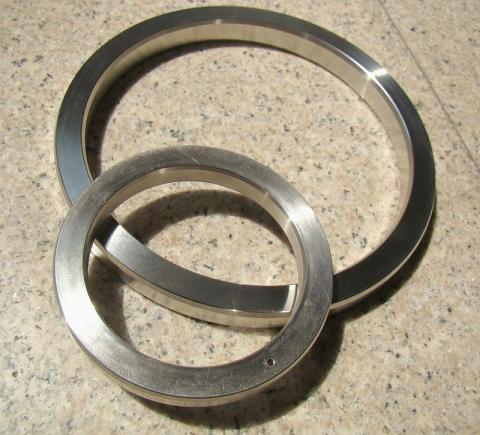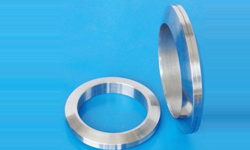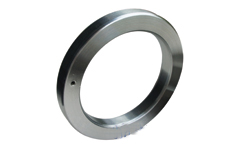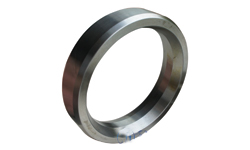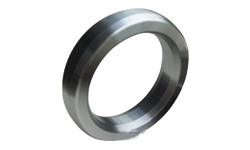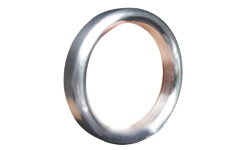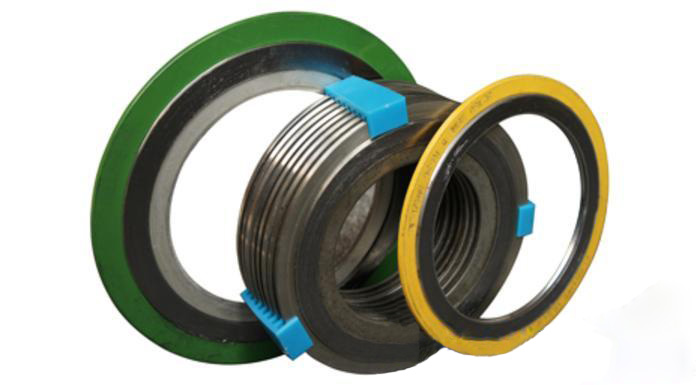
In the demanding world of industrial sealing, where extreme pressures and temperatures are the norm, selecting the right sealing component is not just a matter of efficiency—it's a critical safety imperative. For decades, one solution has consistently proven its reliability in the most severe service conditions: the Ring Joint Gaskets (RJGs). These precision-engineered metal gaskets are the linchpin of sealing integrity in high-pressure piping, wellhead equipment, and pressure vessel connections across the oil & gas, petrochemical, and power generation industries. As a foundational element in flange sealing systems, the ring joint gasket creates a robust, leak-free seal through controlled deformation within a specially machined groove.
At Kaxite Sealing, we bring over two decades of metallurgical expertise and precision manufacturing to the production of ring joint gaskets. Our commitment is to deliver sealing solutions that meet the most stringent international standards, ensuring operational safety, environmental protection, and long-term cost-effectiveness for our clients worldwide.
A ring joint gasket is a solid metal ring with an oval or octagonal cross-section. It is designed to be seated in a correspondingly machined groove (the ring groove) in the flange faces of a connection. When the flanges are bolted together, the gasket is compressed, causing the soft surface layer of the metal to flow into the microscopic imperfections of the ring groove. This plastic deformation creates a tight, pressure-energized seal. As internal system pressure increases, it further forces the gasket against the groove walls, enhancing the seal—a characteristic known as "pressure-energization."
Our product range is manufactured to comply with API 6A, API 17D, and ASME B16.20 specifications, ensuring global interoperability and reliability.
Kaxite Sealing produces RJGs for standard flange sizes as per ASME B16.5, B16.47, and API 6A.
| Nominal Pipe Size (NPS) | Pressure Class (ASME) | Corresponding API 6A Pressure Rating | Recommended Gasket Style |
|---|---|---|---|
| 1/2" to 24" | 150, 300, 600, 900, 1500, 2500 | 2,000 psi to 20,000 psi | R, RX |
| 1-13/16" to 11" (Wellhead) | N/A | 5,000 psi, 10,000 psi, 15,000 psi, 20,000 psi | BX |
The choice of material is paramount for corrosion resistance and performance at temperature. Our standard offerings include:
| Material Grade | ASTM Specification | Typical Hardness (Brinell) | Temperature Range | Primary Application |
|---|---|---|---|---|
| Soft Iron | AISI 1006-1010 | 90 Max | -20°F to 800°F (-29°C to 427°C) | General service, low corrosion. |
| 304 Stainless Steel | A182 F304 | 160-210 | -425°F to 1500°F (-254°C to 816°C) | Corrosive environments, cryogenic service. |
| 316 Stainless Steel | A182 F316 | 160-210 | -425°F to 1500°F (-254°C to 816°C) | Enhanced corrosion resistance, chemical processing. |
| Inconel 600 | B166 UNS N06600 | 150-210 | Up to 2150°F (1177°C) | High-temperature, oxidizing atmospheres. |
| Monel 400 | B164 UNS N04400 | 150-210 | Up to 900°F (482°C) | Marine, sour gas, hydrofluoric acid service. |
Precision machining is non-negotiable. Kaxite Sealing gaskets are manufactured to exacting dimensional tolerances as per relevant standards, covering:
Q: Can a ring joint gasket be reused?
A: It is strongly discouraged and generally not recommended by standards or manufacturers like Kaxite Sealing. During initial make-up, the gasket undergoes plastic deformation to conform to the flange grooves. Upon disassembly, this deformed shape is not perfectly recoverable, and microscopic stress fractures may have developed. Reusing an old gasket significantly increases the risk of a leak path developing, compromising safety and integrity. Always install a new, certified gasket for each connection.
Q: What is the difference between R, RX, and BX style gaskets?
A: The key differences lie in their cross-section, application, and sealing mechanism. R-style gaskets have an oval cross-section and are used in standard ANSI/ASME flange connections. RX-style gaskets have an octagonal cross-section; they are dimensionally interchangeable with R-style grooves but are pressure-energized, offering better sealability with lower bolt load. BX-style gaskets also have an octagonal cross-section but are designed specifically for high-pressure wellhead equipment (API 6A); they have a smaller cross-section and require precisely toleranced BX ring grooves. They are not interchangeable with R or RX grooves.
Q: How do I select the correct material grade for my application?
A: Material selection depends on three primary factors: the internal fluid composition (corrosivity, presence of H2S, CO2, etc.), the operating temperature range, and the required pressure rating. For standard hydrocarbon service with no sour gas, Soft Iron or 304 SS may suffice. For sour service (containing H2S), materials like Monel 400 or specific hardened steels are often mandated by NACE MR0175 standards. For high-temperature applications, alloys like Inconel 600 are necessary. Always consult your system's engineering specifications and feel free to contact Kaxite Sealing technical support for guidance.
Q: What is the proper procedure for installing a ring joint gasket?
A: Correct installation is critical. First, ensure the flange faces and ring grooves are perfectly clean, dry, and free of old gasket material, oil, or debris. Visually inspect the new gasket for any defects. Lightly lubricate the gasket with a thin film of anti-seize compound (compatible with the service) to prevent galling. Carefully place the gasket into the groove of the lower flange, ensuring it sits evenly. Align the flanges and install the bolts hand-tight. Finally, torque the bolts in a cross-pattern sequence following the recommended torque values specified by the flange manufacturer or applicable standard (e.g., ASME PCC-1). Do not use impact wrenches for final tightening.
Q: Why is surface finish on the ring groove so important?
A: The surface finish (typically required to be 63 micro-inches Ra or better) of the ring groove is essential for creating an effective seal. A smooth, uniform finish allows the softer surface of the gasket to flow and fill the microscopic valleys in the groove metal during bolt-up. If the groove is scratched, pitted, or has a rough finish, the gasket material cannot flow into these imperfections, creating potential leak paths. Damaged or corroded grooves must be re-machined or the flange replaced.
Q: How does Kaxite Sealing ensure the quality of its ring joint gaskets?
A: At Kaxite Sealing, quality is integrated into every step. We start with certified raw materials from reputable mills. Our CNC machining processes are calibrated to produce geometries within the strictest tolerances. We perform 100% dimensional inspections and hardness testing. Critical product batches undergo material certification and traceability documentation (MTC). Furthermore, we can provide gaskets that are individually serialized and supplied with full certification packs meeting API, ASME, and customer-specific requirements, ensuring full traceability from mill to site.