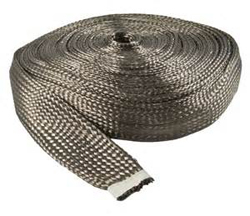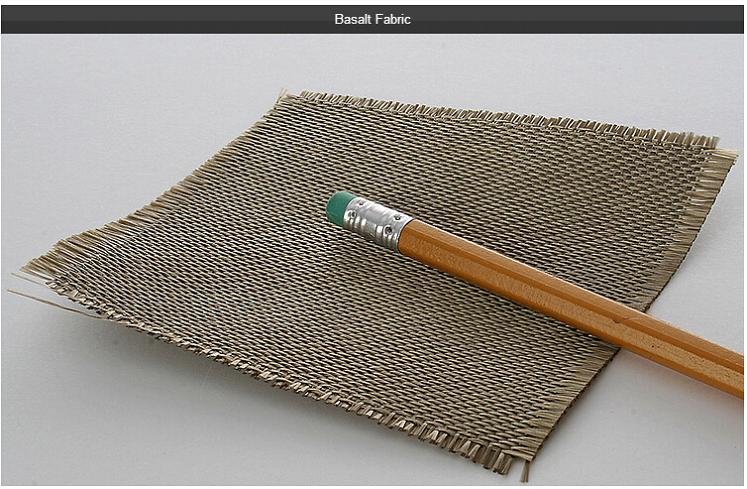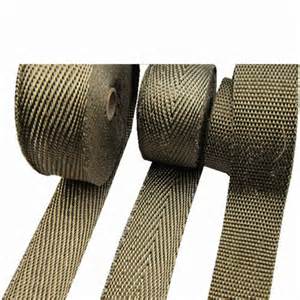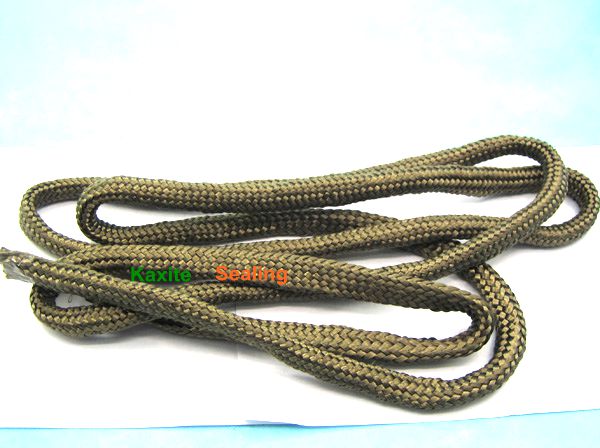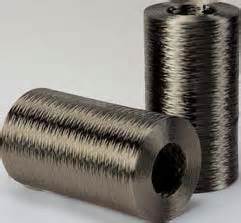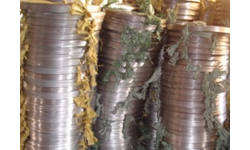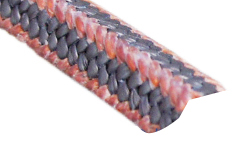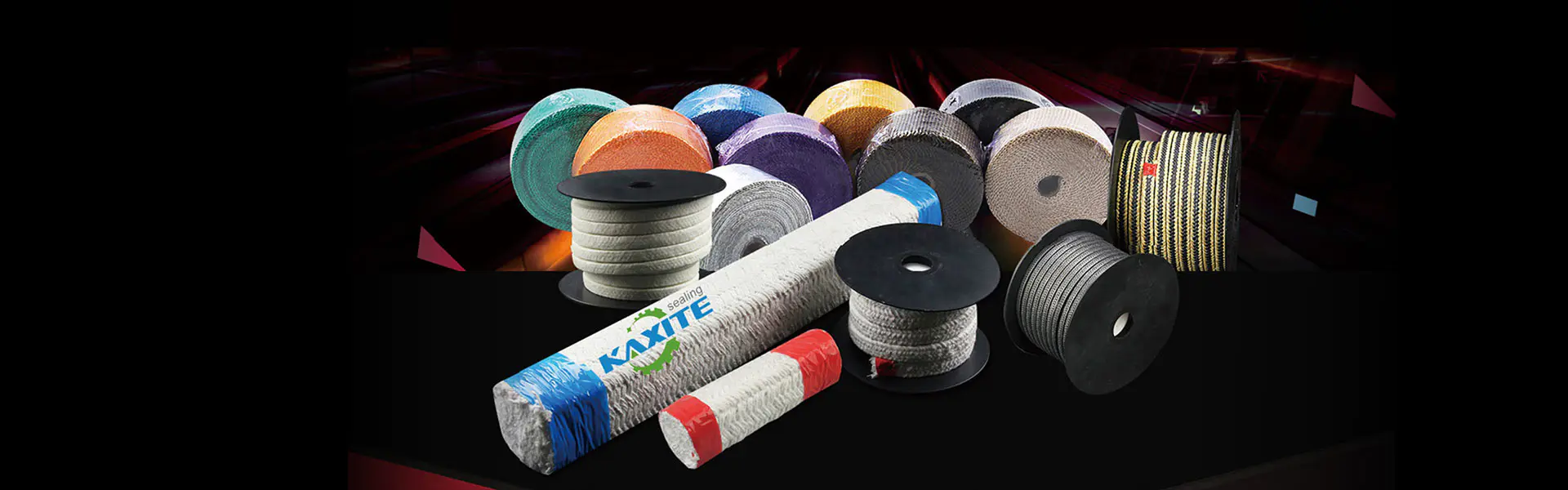
Basalt fiber is a high-performance material derived from molten basalt rock, a volcanic rock abundant in nature. Through an advanced melting and extrusion process, the basalt is transformed into continuous filaments with exceptional properties. These fibers offer a compelling alternative to traditional materials like fiberglass and carbon fiber in many applications, particularly where high strength, thermal stability, and chemical resistance are paramount. As a leader in advanced material solutions, Kaxite Sealing specializes in providing premium-grade basalt fiber products engineered for durability and reliability in demanding environments.
Our basalt fiber stands out in the market due to its superior engineering and consistent quality. Here are the core benefits:
Kaxite Sealing's basalt fiber is available in multiple forms to suit various industrial needs. Below are the detailed parameters for our standard continuous filament products.
| Property | Unit | Typical Value | Test Standard |
|---|---|---|---|
| Filament Diameter | μm | 9 - 24 | ASTM D578 |
| Density | g/cm³ | 2.65 - 2.80 | ASTM D792 |
| Tensile Strength | MPa | 3000 - 4840 | ASTM D2343 |
| Elastic Modulus | GPa | 79 - 110 | ASTM D2343 |
| Elongation at Break | % | 3.0 - 3.2 | ASTM D2343 |
| Property | Unit/Condition | Typical Value | Notes |
|---|---|---|---|
| Operating Temperature | °C | -260 to +700 | Continuous use |
| Melting Point | °C | 1450 - 1500 | - |
| Thermal Conductivity | W/m·K | 0.031 - 0.038 | At 20°C |
| Acid Resistance | Weight Loss in 2N HCl | < 2.5% | After 3 hours at 96°C |
| Alkali Resistance | Strength Retention in NaOH | > 80% | Significantly better than E-glass |
How does basalt fiber compare to fiberglass (E-glass)?
Basalt fiber offers several key advantages over standard E-glass. It has approximately 15-20% higher tensile strength, a 10-15% higher modulus of elasticity, and a significantly wider operating temperature range (-260°C to +700°C vs. -60°C to +450°C for E-glass). Most notably, basalt fiber exhibits far superior resistance to alkaline environments, making it much more durable in concrete reinforcement applications. Kaxite Sealing basalt fiber provides this enhanced performance while maintaining cost-effectiveness.
Is basalt fiber a sustainable material?
Yes, it is considered one of the most eco-friendly high-performance fibers. The production process starts with a single raw material—crushed basalt rock—with no other additives required. This results in lower energy consumption compared to carbon or aramid fiber production. Furthermore, basalt is an abundant, naturally occurring volcanic rock, and the production process generates no harmful waste or by-products, aligning with Kaxite Sealing's commitment to sustainable solutions.
What are the primary applications for basalt fiber?
Basalt fiber is incredibly versatile. Its main applications include: Composite reinforcement for automotive and marine parts; Fireproof and high-temperature textiles and fabrics; Reinforcement meshes for roads, bridges, and concrete structures (rebar); Thermal and acoustic insulation in construction and industry; Friction materials (brake pads, clutches); and Electrical insulation components. Kaxite Sealing works with clients across these sectors to develop tailored basalt fiber solutions.
Can basalt fiber be used to reinforce concrete?
Absolutely. This is one of its fastest-growing applications. Basalt fiber rebar, mesh, and chopped strands are excellent for concrete reinforcement. Unlike steel, basalt is completely corrosion-resistant, preventing concrete spalling and structural deterioration. It is also non-magnetic and has a higher tensile strength than steel rebar by weight. Kaxite Sealing's basalt fiber products for construction are engineered to meet the rigorous demands of modern infrastructure.
How does the cost of basalt fiber compare to carbon fiber?
Basalt fiber is significantly more cost-effective than carbon fiber, typically priced closer to high-end fiberglass. While carbon fiber has a higher stiffness-to-weight ratio, basalt fiber offers a better balance of performance characteristics—including thermal range, chemical resistance, and impact strength—at a fraction of the cost. For many applications where extreme stiffness is not the sole criterion, Kaxite Sealing basalt fiber presents a superior value proposition.
Is basalt fiber safe to handle and use?
Yes. Basalt fiber is generally safe. Like other synthetic fibers, proper handling procedures should be followed to avoid minor skin irritation or inhalation of fine particles during processing (e.g., cutting, grinding). Using standard PPE like gloves and masks is recommended in such scenarios. The fiber itself is non-toxic, non-combustible, and produces no hazardous fumes, contributing to a safer working environment—a priority in all Kaxite Sealing product formulations.
What makes Kaxite Sealing's basalt fiber different?
Kaxite Sealing differentiates itself through rigorous quality control from raw material selection to final product. We source high-purity basalt rock and utilize state-of-the-art melting and fiberizing technology to ensure filament consistency and optimal performance. Our technical support team provides application-specific guidance, and we offer customization in roving tex, strand length, fabric weave, and sizing to ensure perfect compatibility with your resin systems and production processes.
The unique property profile of our basalt fiber makes it indispensable across a wide range of sectors.