In spiral wound gaskets, "CG" denotes a gasket with a carbon steel outer ring and graphite filler, "CF" refers to a carbon steel outer ring with PTFE filler, and "CG-S" indicates a carbon steel outer ring, graphite filler, plus a stainless steel inner ring.
Expanded graphite gaskets are relatively soft and brittle, making them prone to surface damage, cracking, or delamination if dropped, bent, or improperly handled. Such damage can compromise sealing integrity and lead to leaks, so careful storage, transport, and installation are essential.
Ring joint gaskets can fail due to improper installation, flange surface damage or misalignment, excessive bolt loading, thermal cycling, vibration, material incompatibility, and corrosion. Prevention relies on correct gasket selection, surface finish preparation, precise alignment, controlled bolt tightening following a proper sequence and torque, and regular inspection.
Proper storage and handling of double jacket gaskets are essential to prevent damage and ensure reliable sealing performance. These metallic gaskets require protection from moisture, mechanical impact, and deformation. Best practices include keeping them in a dry, temperature-controlled environment, storing them flat or in a vertical hanging position to avoid bending, and handling with care to preserve the integrity of the jacket and filler materials.
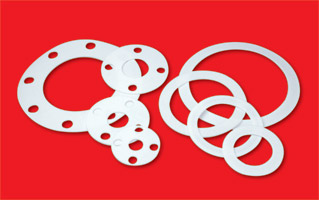
Explore the key differences between PTFE and rubber gaskets, comparing their chemical resistance, temperature tolerance, durability, and cost to help you decide which material is best for your sealing application.
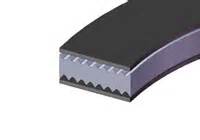
Serrated gaskets feature concentric grooves that create multiple sealing points, providing superior leak prevention and exceptional resilience under extreme pressures. This design ensures reliable, long-lasting performance in demanding high-pressure environments.
We use cookies to offer you a better browsing experience, analyze site traffic and personalize content. By using this site, you agree to our use of cookies. Privacy Policy

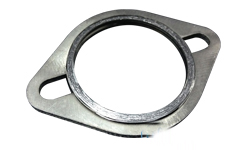 25 2026-06
 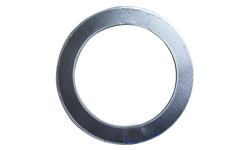 17 2026-06
 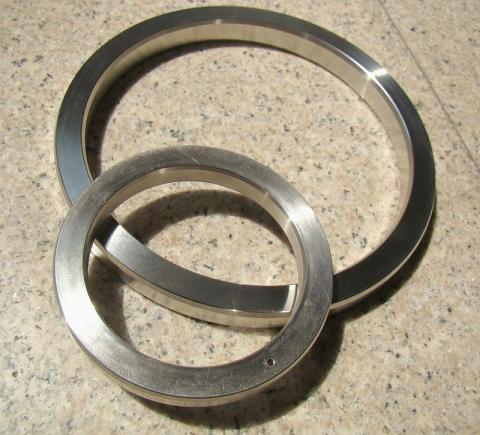 16 2026-06
 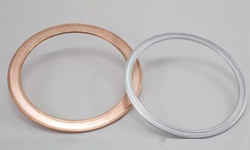 15 2026-06
  09 2026-06
  05 2026-06