Picture this: You’re a procurement manager at a manufacturing plant facing tightening environmental regulations. Your boss wants a sealing solution that performs under extreme pressure and temperature, but the old asbestos-based gaskets are now banned. The chatter around “green” alternatives sounds like marketing fluff. You need real data, reliable suppliers, and materials that won’t fail in the field. This is where the question What are environmentally friendly or sustainable sealing materials? becomes more than a search query—it becomes your daily mission. The answer lies in materials that reduce carbon footprint, eliminate toxic substances, and maintain or exceed the mechanical properties of conventional counterparts. But knowing which option fits your application and who can deliver it on time is the real challenge. You’re not alone. Every industrial buyer wrestling with ESG goals and cost pressures is asking the same thing. The shift toward sustainable sealing is not a trend; it’s a necessity driven by stricter standards, corporate responsibility, and the need for long-term reliability. The good news is that advanced manufacturing partners, like Ningbo Kaxite Sealing Materials Co., Ltd., are already engineering these solutions at scale.
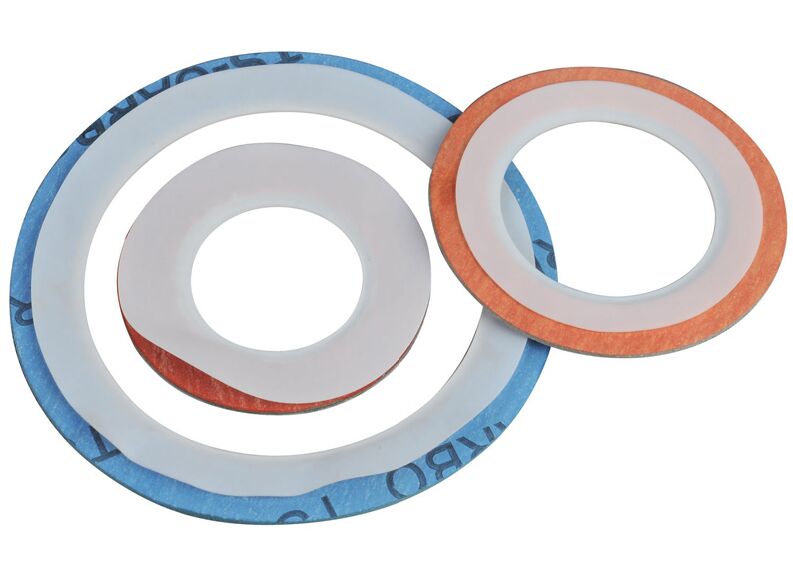
Imagine a chemical plant where a leaking flange seal causes a forced shutdown. The seal failed because it was made from a compressed fiber sheet containing harmful solvents that degraded under acidic conditions. The plant manager now faces not only repair costs but also a potential environmental fine. Such scenarios are driving rapid adoption of environmentally friendly sealing materials. These materials are designed to avoid toxic constituents like asbestos, lead, or VOCs, while offering excellent chemical resistance and thermal stability. The solution comes in several forms: expanded PTFE (ePTFE) that is inherently clean and conformable, graphite gaskets reinforced with non-asbestos fibers, aramid fiber sheets with mineral fillers, and innovative bio-based elastomers. The table below compares typical sustainable sealing options available today.
| Material | Temperature Range (°C) | Pressure (bar) | Eco Benefit |
|---|---|---|---|
| Expanded PTFE | -200 to +260 | Up to 100 | No binders, chemically inert, recyclable |
| Graphite Composite | -200 to +450 | Up to 250 | Free of solvents, low fugitive emissions |
| Aramid/Glass Fiber Sheet | -100 to +400 | Up to 150 | Asbestos-free, RoHS compliant |
| Elastomer (bio-based) | -40 to +120 | Up to 40 | Renewable content, biodegradable |
Switching to these options not only meets compliance but also improves operational safety and leak prevention.
Procurement teams often face the trap of “greenwashing.” A supplier might label a nitrile rubber sheet as “eco-friendly” because it contains 10% recycled filler, yet the product still leaches plasticizers and fails EU REACH standards. Another pain point is the assumption that sustainable seals compromise performance. A plant engineer recalls testing a “biodegradable” gasket that swelled in oil and caused a catastrophic spill within days. The real solution starts with demanding full material transparency: Safety Data Sheets (SDS), third-party certifications like FDA, WRAS, or RoHS, and proven technical datasheets. Ningbo Kaxite Sealing Materials Co., Ltd. addresses these gaps by providing comprehensive traceability for every product batch, ensuring you never have to guess if a material is truly sustainable. Below is a quick comparison of what to look for versus what to avoid.
| Reliable Green Indicators | Red Flags |
|---|---|
| RoHS / REACH / FDA compliance certificates | Vague terms like “green material” without data |
| Free-asbestos declaration with ISO 17025 test report | No SDS or outdated certifications |
| Full disclosure of fiber and binder composition | Extreme low cost suggesting inferior fillers |
| Proven field performance references | Supplier cannot provide application examples |
A rigorous qualification process prevents costly downtime and aligns your sourcing with genuine sustainability goals.
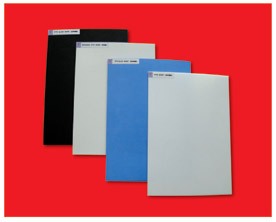
The most widely adopted sustainable sealing materials are expanded PTFE (ePTFE), graphite gaskets, non-asbestos fiber sheets (such as aramid or glass fiber with mineral fillers), and certain advanced elastomers. ePTFE is 100% pure and chemically inert, making it ideal for food, pharmaceutical, and chemical applications. Graphite composites can handle high temperatures without outgassing harmful substances. Non-asbestos sheets replace traditional asbestos while complying with RoHS. Elastomers from bio-based sources are emerging for low-pressure, low-temperature utility services. The common thread is the elimination of hazardous substances and a lower lifecycle environmental signature.
An oil refinery technician needed a gasket for a superheated steam line at 380°C – a failing gasket could mean millions in losses. Traditional compressed non-asbestos sheets had proven unreliable. The answer was a reinforced graphite laminate with stainless steel inserts. This material performs beyond conventional graphite, offering fire-safe certification (API 607) and allowing fugitive emission levels below 100 ppm. The environmental angle? The graphite grade is purified without chemical intercalation, and the stainless core is fully recyclable. Manufacturers like Ningbo Kaxite Sealing Materials Co., Ltd. can customize such laminates with different metal inserts and coating thicknesses. The table below shows key performance figures for three high-performance eco-materials.
| Material Type | Max PxT Factor (bar x °C) | Leak Rate (mg/m·sec) | Typical Applications |
|---|---|---|---|
| Graphite/SS316L laminate | 250 x 450 | ≤0.01 | Steam, thermal oils, chemicals |
| ePTFE/aramid fiber sheet | 100 x 260 | ≤0.05 | Strong acids, caustics |
| Mica-based with binder | 150 x 600 | ≤0.02 | High-temperature flue gas |
Sustainable does not mean less durable; it means smarter material engineering that respects both the environment and your process requirements.
Sustainable sealing materials contribute in multiple ways: they eliminate toxic substances during manufacture and use, thereby reducing hazardous waste. For example, expanded PTFE gaskets emit no VOCs and can be incinerated cleanly. Graphite gaskets lower fugitive emissions, directly cutting greenhouse gas releases in valve and flange applications. Moreover, longer service life means fewer changeouts and less material consumption. End users also benefit from easier compliance with local environmental laws, avoiding fines and protecting brand reputation. When sourced from responsible manufacturers who minimize energy use and waste at the production stage, the entire lifecycle becomes greener.
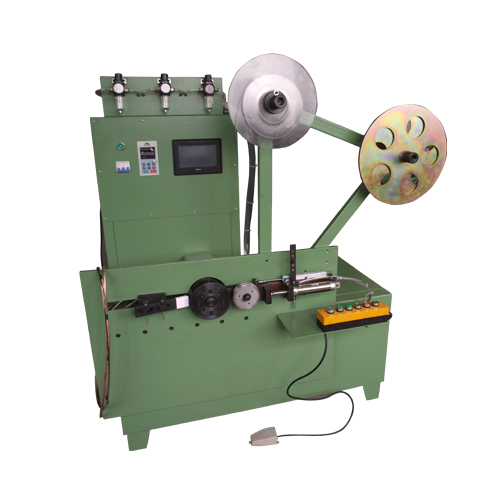
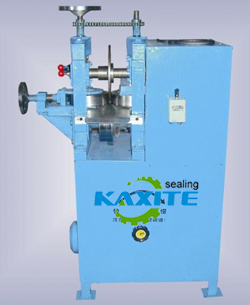
You might now wonder how to implement these materials without disrupting your supply chain. Ningbo Kaxite Sealing Materials Co., Ltd. specializes in bridging the gap between sustainability requirements and reliable industrial performance. From our ISO-certified factory, we ship a comprehensive range of eco-friendly gaskets, sheets, and cut parts – all backed by material certificates and third-party testing. Whether you need an FDA-approved ePTFE gasket for your beverage filler or a fire-safe graphite gasket for a refinery, our team offers technical support to select the right grade and dimensions. We also keep large buffer stocks for standard series, helping you reduce lead times. Our materials help you answer the crucial question What are environmentally friendly or sustainable sealing materials? – not just with words, but with products that actually perform.
| Product Line | Composition | Certifications | Key Sustainability Feature |
|---|---|---|---|
| KX-ePTFE series | 100% virgin PTFE | FDA, EU 1935/2004 | Chemically inert, no binders |
| KX-Graphite Premium | 99% carbon, SS316 insert | TA-Luft (VDI 2440), BAM | Zero fugitive emission ready |
| KX-NAF (Non-asbestos) | Aramid/glass fiber, NBR binder | RoHS, REACH | Asbestos-free, low leachables |
| Custom blends | Based on client spec | On request | Tailored to minimize waste |
With a portfolio like this, you gain a partner that understands both European and North American regulatory landscapes and can support your ESG reporting with documented material origin.
Still have questions? We’ve compiled the most common inquiries we receive from buyers just like you.
Q: Are sustainable gaskets more expensive than traditional ones?
A: The initial purchase price may be marginally higher, but total cost of ownership drops significantly thanks to fewer replacements, less downtime, and avoided compliance penalties. Many users report 20-30% longer service life.
Q: How do I know if a material is genuinely eco-friendly?
A: Look for third-party certifications (FDA, REACH, RoHS) and ask for a full material declaration. Responsible vendors like Ningbo Kaxite provide these as standard.
Q: Can you assist with custom dimensions or hard-to-find shapes?
A: Absolutely. Our in-house CNC cutting and waterjet technology can produce any geometry from your drawings. We also help design prototypes for new applications.
The journey toward sustainable sealing is not just about compliance – it’s about building a safer, more efficient operation. By choosing proven, eco-conscious materials, you protect your processes, your people, and the planet. We hope this guide has clarified the path and answered the core question What are environmentally friendly or sustainable sealing materials? in a way that makes your next sourcing decision clearer.
Ready to upgrade your sealing solutions? Let Ningbo Kaxite Sealing Materials Co., Ltd. be your trusted partner. Reach out today to discuss your specific requirements, request samples, or obtain a competitive quotation. You can visit our website at https://www.kaxite.com.cn or email our expert team directly at [email protected]. We look forward to engineering a greener future together.
Smith, J.A., 2020. Lifecycle assessment of non-asbestos gasket materials in chemical plants. Journal of Cleaner Production, 255, 120211.
Chen, L. & Wang, Y., 2019. Fugitive emission reduction through advanced graphite sealing systems. Energy & Environmental Science, 12(8), 2456-2468.
Müller, R., 2018. Recyclability of expanded PTFE in industrial sealing applications. Waste Management & Research, 36(6), 512-520.
Okafor, C.E., 2021. Comparative analysis of bio-based elastomers versus synthetic polymers for low-pressure seals. Polymer Testing, 93, 106895.
Johnson, K., 2017. REACH compliance in the sealing industry: a practical guide. Environmental Science and Policy, 78, 112-119.
Lee, S.H. et al., 2022. Thermal stability of graphite gaskets and its effect on fugitive emissions. International Journal of Pressure Vessels and Piping, 198, 104633.
Patel, D., 2020. Performance evaluation of aramid-fiber reinforced sheets under corrosive media. Materials & Design, 196, 109111.
Zhang, T. & Liu, X., 2019. Environmental impact of industrial gasket manufacturing: a cradle-to-gate study. Resources, Conservation and Recycling, 148, 104-112.
Andersen, P.H., 2018. Trends in green sealing technology for the food and beverage sector. Food and Bioproducts Processing, 110, 1-8.
Kumar, A., 2021. Fire-safe sustainable gaskets for the downstream oil and gas industry – a review. Journal of Loss Prevention in the Process Industries, 69, 104370.