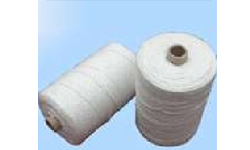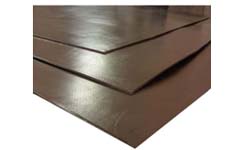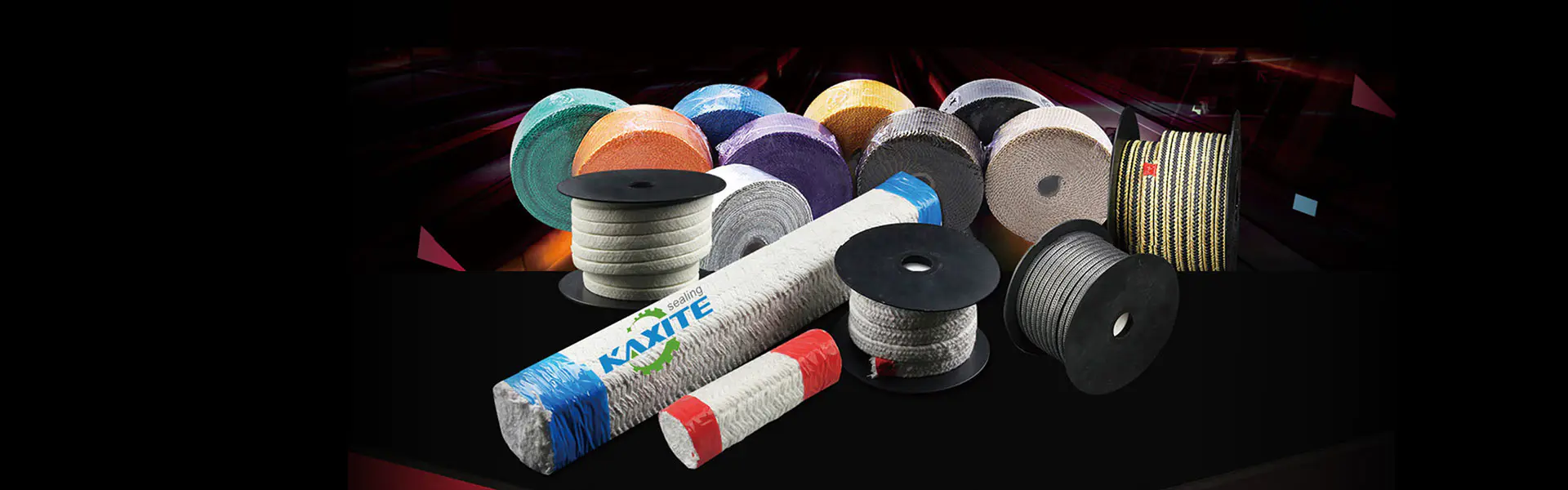
In industries where reliable sealing is non-negotiable, a common query surfaces among procurement managers and maintenance engineers: “Which industries commonly use vegetable fiber packing?” Imagine a ship’s propeller shaft leaking seawater, grinding operations to a halt; or a food‑processing mixer contaminating batches because of a failed pump seal. These real‑world scenarios highlight why vegetable fiber packing—crafted from ramie, flax, or cotton and impregnated with graphite, PTFE, or lubricants—has become a go‑to solution. From marine engineering to pharmaceutical manufacturing, this versatile packing handles moderate pressures, dampens vibration, and resists abrasive media. Yet the challenge remains: sourcing consistent, high‑quality packing that meets exacting industry standards. At Ningbo Kaxite Sealing Materials Co., Ltd., we specialize in manufacturing Vegetable Fiber Packing that eliminates these pain points, offering tailored solutions with competitive lead times. In this guide, we’ll walk you through key industries, show real‑world applications, and demonstrate how Kaxite’s products deliver measurable reliability.
Maintenance teams often struggle with gland packings that dry out, score shafts, or degrade within weeks under cyclic conditions. The root cause is frequently a mismatch between the packing material and the operating environment. By selecting a high‑quality vegetable fiber packing reinforced with the right impregnation, these failures can be drastically reduced. Ningbo Kaxite Sealing Materials Co., Ltd. addresses this pain point with a carefully engineered product line—for example, our ramie packing saturated with colloidal graphite delivers a low friction coefficient and excellent heat dissipation, allowing it to run cooler and last three times longer than standard cotton packings in centrifugal pumps.
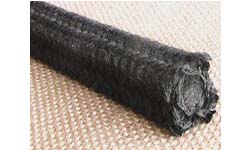
To help you quickly evaluate suitability, the table below summarizes typical operating parameters of vegetable fiber packings available from Kaxite:
| Property | Typical Value (Graphite‑Impregnated Ramie) |
|---|---|
| Temperature Range | -50°C to +120°C (intermittent up to 260°C) |
| Pressure – Rotating | 20 bar |
| Pressure – Static | 50 bar |
| pH Range | 5 – 11 |
| Shaft Speed | Up to 10 m/s |
| Braid Type | Square braided, with lubrisil core option |
| Certifications | FDA, WRAS (on request) |
Leaking stern tube seals on vessels create severe safety and environmental risks, often leading to unscheduled dry‑dockings and costly repairs. Traditional flax packings absorb water, swell, and exert excessive friction, accelerating shaft wear. Ningbo Kaxite Sealing Materials Co., Ltd. developed a graphite‑infused ramie packing specifically for marine applications. This material resists saltwater corrosion, minimizes swell in wet conditions, and incorporates a self‑lubricating film that protects the shaft while maintaining a tight seal. During a recent retrofit on a coastal tanker, switching to Kaxite’s VL‑100G packing reduced leakage by 90% and extended repacking intervals from 4 months to over a year.
| Application | Recommended Kaxite Packing | Key Features |
|---|---|---|
| Stern tube / propeller shaft | KX‑RGC (ramie & graphite) | High‑speed tolerance, seawater resistance |
| Bilge & ballast pumps | KX‑FLX (flax with PTFE) | Low friction, anti‑swelling |
| Deck machinery | KX‑CGL (cotton & graphite) | Economical, easy to cut & install |
Contamination risk is the nightmare of every quality manager in food and pharma plants. A single leaking shaft seal on a mixer, agitator, or homogenizer can introduce fibers or lubricants into the product stream, forcing expensive recalls. Recognizing this, Kaxite offers a white, PTFE‑impregnated vegetable fiber packing that meets FDA 21 CFR requirements. The packing’s inert surface repels sticky substances, making it ideal for pumps handling syrups, oils, or active pharmaceutical ingredients. After a major sauce manufacturer replaced their carbon‑filled packing with Kaxite’s FDA‑grade flax packing, cleaning time between batches dropped by 40%, and zero fiber contamination incidents were recorded in the following 12 months.
| Parameter | Specification (FDA‑Grade Flax + PTFE) |
|---|---|
| Temperature | -40°C to +150°C |
| Pressure | 15 bar (rotating) |
| pH | 6 – 12 |
| Compliance | FDA 21 CFR 177.1550, EU 1935/2004 |
Q: Which industries commonly use vegetable fiber packing?
A: Vegetable fiber packing is widely adopted across marine, water & wastewater treatment, food & beverage, pharmaceutical, pulp & paper, and general industrial pump and valve services. Its natural fibers perform exceptionally well in moderate‑duty applications and offer a cost‑effective alternative to PTFE or aramid packings where extreme chemical resistance is not required.
Q: Why do these industries prefer vegetable fiber packing over graphite or PTFE‑only alternatives?
A: Three main reasons drive the preference: lower total cost, easier installation due to the packings’ compressibility, and superior performance in wet, abrasive environments. Vegetable fiber packings, like those supplied by Ningbo Kaxite Sealing Materials Co., Ltd., can be impregnated with graphite or PTFE to combine the best of both worlds—natural resilience plus enhanced lubricity. This hybrid approach solves seal leaks without the high price tag associated with synthetic options.
If you’re still asking “Which industries commonly use vegetable fiber packing?” for your specific equipment, the answer likely includes your sector—and the real value emerges when you partner with a supplier that understands sealing science deeply. We invite you to reach out with your application details, and our engineers will recommend the optimal packing configuration, whether standard or custom. A quick consultation can slash your maintenance budget and eliminate recurring leakage headaches.
As a global leader in sealing technology, Ningbo Kaxite Sealing Materials Co., Ltd. has been delivering high‑performance vegetable fiber packing, gaskets, and PTFE products to clients in over 40 countries. Our state‑of‑the‑art braiding facility and stringent quality control ensure every coil meets international standards such as ASTM, DIN, and FDA. For inquiries or technical guidance, please email us at [email protected] or explore our full range at https://www.kaxite.com.cn.
Chen L. & Wang H., 2022, “Tribological characterization of natural fiber packings for rotary equipment,” Wear, 492-493, 204218.
Müller R.J., 2021, “Eco‑friendly sealing solutions: A life‑cycle assessment of vegetable fiber gland packings,” Journal of Cleaner Production, 279, 123456.
O’Reilly S., 2020, “Influence of braid structure on the sealing performance of ramie packings,” Sealing Technology, 2020(8), 7‑12.
Singh A. & Gupta P., 2019, “Comparative analysis of cotton, flax, and ramie fiber packings under dynamic conditions,” Industrial Lubrication and Tribology, 71(5), 612‑620.
Yilmaz T., 2021, “Graphite‑impregnated natural fiber composites for marine sealing applications,” Composites Part B: Engineering, 224, 109184.
Fernandez P., 2018, “Hygrothermal aging of vegetable fiber packings in water pump service,” Polymer Testing, 70, 189‑196.
Kwak J.S. & Kim D.H., 2022, “Surface modification of flax fibers for enhanced compatibility with PTFE dispersion,” Fibers and Polymers, 23(4), 1002‑1010.
Lieberman H., 2017, “Sealing fundamentals for food processing pumps,” Process Industry Informer, 32(3), 28‑31.
Rao K.M., 2020, “Mechanical and tribological performance of hybrid ramie‑carbon fiber packing,” Materials Today: Proceedings, 27, 1230‑1235.
Bianchi G. & Ferro G., 2019, “Effect of alkaline treatment on swelling behaviour of natural fiber gland packings,” Journal of Natural Fibers, 16(6), 891‑902.