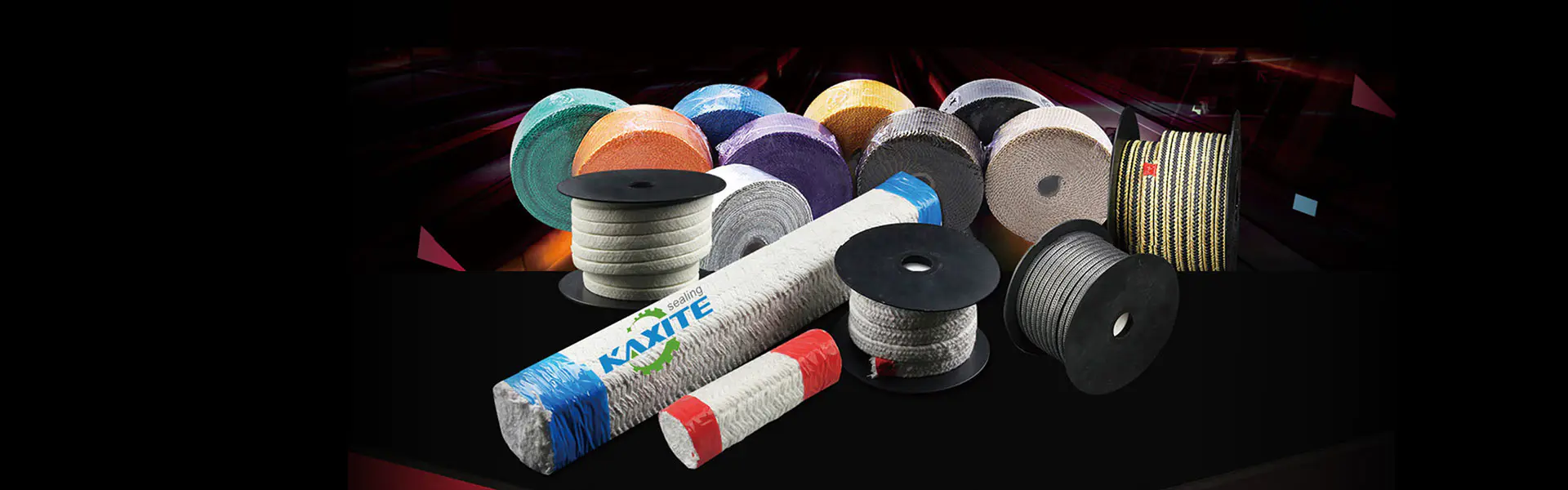
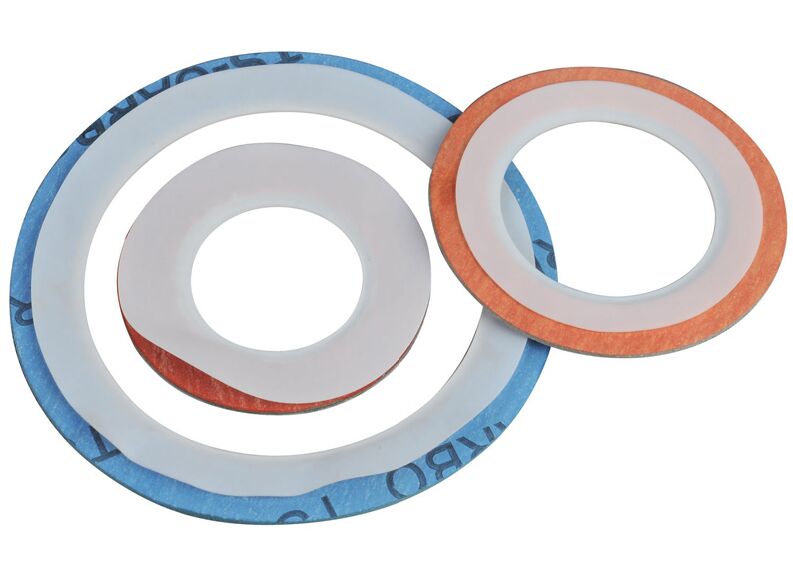
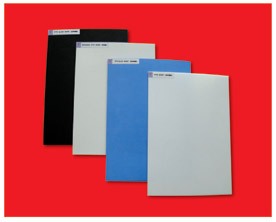
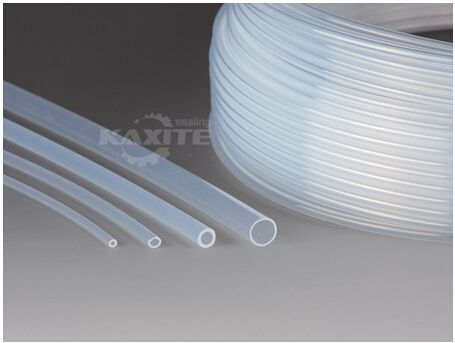
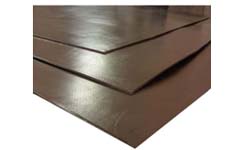
What is the difference between PTFE Fiber and ePTFE membrane? This is a critical question for any technical buyer or procurement specialist sourcing high-performance sealing and filtration materials. While both are derived from polytetrafluoroethylene (PTFE), their physical forms, manufacturing processes, and resulting properties lead to vastly different applications. PTFE fiber is a continuous, thread-like material known for its incredible strength, chemical resistance, and flexibility, often woven into fabrics or used as reinforcement. In contrast, ePTFE membrane is a microporous, expanded film created through a stretching process, prized for its breathability, waterproofness, and filtration capabilities. Understanding this distinction is key to selecting the right material to solve your specific engineering challenge, preventing costly mistakes and ensuring optimal product performance. Choosing a reliable supplier like Ningbo Kaxite Sealing Materials Co., Ltd. ensures you get expert guidance and high-quality materials tailored to your needs.
Imagine you're procuring seals for aggressive chemical processing pumps. You need a material that won't degrade, swell, or leak. A standard rubber seal fails within weeks, causing downtime, safety hazards, and revenue loss. The core problem is selecting a material based on generic "chemical resistance" without understanding the structural form. PTFE fiber, in a braided or woven packing, offers superior tensile strength and creep resistance, maintaining seal integrity under high pressure and movement. However, for static gaskets requiring absolute impermeability to micro-droplets or gases, a monolithic ePTFE membrane sheet is superior due to its non-fibrillated, microporous structure. The solution lies in precise material specification. Ningbo Kaxite Sealing Materials Co., Ltd. provides both forms, with experts who analyze your operating pressure, temperature, pH, and media to recommend the optimal PTFE solution, extending seal life by years.
| Parameter | PTFE Fiber (for Dynamic Seals/Packing) | ePTFE Membrane (for Static Seals/Gaskets) |
|---|---|---|
| Primary Form | Continuous Filament, Yarn, Woven Tape | Microporous Sheet, Film, Tape |
| Key Strength | High Tensile Strength, Flexibility, Abrasion Resistance | Excellent Dielectric Strength, Waterproof Breathability |
| Typical Use Case | Valve Stem Packing, Braided Pump Packing, Compressed Gaskets | Gasket Sheets, Vent Membranes, Filter Media, Sealant Tape |
| Chemical Resistance | Excellent (Inert to most chemicals) | Excellent (Inert to most chemicals) |
| Temperature Range | -200°C to +260°C | -240°C to +260°C |
Your filtration system for hot, corrosive gases is constantly clogging or breaking down. Membrane filters are tearing, and replacement costs are soaring. The failure often stems from using a standard filter media that cannot simultaneously handle chemical attack, high temperature, and fine particulate loading. ePTFE membrane is the engineered solution here. Its expanded structure creates a matrix of microscopic pores that can be precisely controlled for pore size, allowing high airflow (breathability) while blocking liquids and particles. It is hydrophobic and oleophobic, preventing wet-out and clogging. For applications requiring even greater mechanical durability, such as in baghouse filters, PTFE fiber felt, made from chopped or staple fibers, provides superior strength and dust cake release. Ningbo Kaxite Sealing Materials Co., Ltd. specializes in manufacturing custom ePTFE membranes and PTFE felts with specific pore sizes, thicknesses, and laminations to solve your exact filtration challenge, improving efficiency and reducing total cost of ownership.
| Parameter | ePTFE Membrane (for Fine Filtration) | PTFE Fiber Felt (for Coarse/Durable Filtration) |
|---|---|---|
| Structure | Porous Film, Controlled Pore Size (0.1 - 10 µm typical) | Non-woven Mat of Interlocked Fibers |
| Filtration Mechanism | Surface Filtration, Depth Filtration | Depth Filtration |
| Air Permeability | Variable, can be very high | High |
| Durability Against Abrasion | Moderate (often laminated for support) | Very High |
| Primary Filtration Target | Sub-micron Particles, Aerosols, Bacteria, Water | Dust, Powder, Coarse Contaminants |
Q: How does the production process affect the cost difference between PTFE fiber and ePTFE membrane?
A: PTFE fiber is typically produced through paste extrusion and sintering of fine powder, followed by drawing or spinning into continuous filaments. ePTFE membrane manufacturing is more complex. It involves mixing resin with lubricant, extruding, calendering, and then rapidly stretching (expanding) the tape in a heated process to create the microporous structure. This additional expansion step and the need for precise control over stretching ratios and temperatures generally make ePTFE membrane more expensive per unit area than basic PTFE fiber. However, for its specific functions (e.g., waterproof breathable membranes), there is often no cost-effective substitute.
Q: What is the single most decisive property when choosing between PTFE fiber and ePTFE membrane for a sealing application?
A: The need for permeability control is the key differentiator. If your application requires a material that must allow vapor or gas transmission while blocking liquids (e.g., venting, breathable seals), ePTFE membrane is the only choice due to its engineered porosity. Conversely, if you need a solid, impermeable barrier with high mechanical strength to withstand compression and movement, such as in braided pump packing or thread seal tape, then PTFE fiber (or non-expanded PTFE tape) is the correct choice. Always consult with a technical expert at Ningbo Kaxite Sealing Materials Co., Ltd. to analyze the permeability requirements of your specific application.
Navigating the technical landscape of PTFE materials doesn't have to be a solo journey fraught with trial and error. The detailed comparison between PTFE fiber and ePTFE membrane highlights that the optimal choice is never one-size-fits-all; it depends entirely on the specific mechanical, chemical, and environmental demands of your project. This is where partnering with a seasoned manufacturer becomes your greatest advantage. With deep expertise in both material forms, Ningbo Kaxite Sealing Materials Co., Ltd. acts as your engineering partner. We don't just sell products; we provide material solutions. Our team will work with you to understand the operating parameters, failure modes of previous components, and performance goals. We then leverage our manufacturing capabilities to supply precisely the right PTFE fiber yarn for reinforcement, the ideal ePTFE membrane laminate for filtration, or a custom composite that leverages the strengths of both. This consultative approach ensures reliability, longevity, and cost-effectiveness for your operations, turning a procurement decision into a strategic improvement.
We hope this guide has clarified the critical differences and applications for PTFE fiber and ePTFE membrane. Have you encountered a specific application challenge where material selection was difficult? Share your thoughts or questions below.
For engineered solutions utilizing high-performance PTFE fiber and ePTFE membrane, partner with Ningbo Kaxite Sealing Materials Co., Ltd., a trusted manufacturer with extensive experience in developing custom sealing and filtration materials for global industries. Visit our website at https://www.kaxite.com.cn to explore our product portfolio and technical resources. For direct inquiries and customized solutions, please contact our team via email at [email protected].
Here are 10 key research papers on PTFE and ePTFE materials for further technical reference:
1. Gangal, S. V. (1989). Polytetrafluoroethylene. In Encyclopedia of Polymer Science and Engineering (Vol. 16, pp. 577-600). John Wiley & Sons.
2. Ebnesajjad, S. (2000). Fluoroplastics, Volume 1: Non-Melt Processible Fluoroplastics. William Andrew Publishing.
3. Holmes, K. E., & Kappagantu, R. (1998). The Microstructure of Expanded Polytetrafluoroethylene (ePTFE) Vascular Grafts. Cells and Materials, 8(3), 185-196.
4. Feng, C., Khulbe, K. C., Matsuura, T., & Ismail, A. F. (2013). Recent progresses in polymeric hollow fiber membrane preparation, characterization and applications. Separation and Purification Technology, 111, 43-71.
5. Wang, J., & Liu, F. (2009). Influence of stretching conditions on the structure and properties of expanded polytetrafluoroethylene membranes. Journal of Applied Polymer Science, 112(2), 953-959.
6. Drobny, J. G. (2009). Technology of Fluoropolymers (2nd ed.). CRC Press.
7. Tan, S., & Obendorf, S. K. (2007). Fabrication and evaluation of electrospun nanofibrous antimicrobial nylon 6 membranes. Journal of Membrane Science, 305(1-2), 287-298. (Contrasts with ePTFE).
8. He, T., & Cao, H. (2015). A review on advanced polymer materials for membrane-based CO2 separation. Green Energy & Environment, 1, 42-60.
9. Sadeghi, F., & Ajji, A. (2011). A review on homopolymer and copolymer of tetrafluoroethylene: synthesis, processing, properties and applications. Polymer Reviews, 51(4), 339-368.
10. Lau, K. K., Gleason, K. K., & Gupta, M. (2001). Structure and morphology of vapor-deposited PTFE films. Journal of Fluorine Chemistry, 108(1), 19-26.