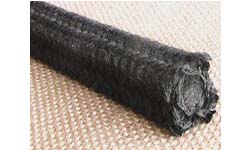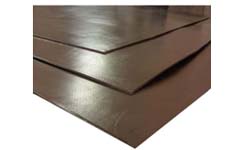
Imagine standing in a chemical processing plant, the air thick with the scent of solvents and steam hissing from a pump. Your maintenance team just flagged a leaking valve packing—again. The culprit? Incompatibility between the sealing material and a harsh acidic process fluid. If you’ve ever faced this scenario, you know the frustration of unplanned downtime and safety risks. The critical question that emerges is: What chemicals are compatible with graphite PTFE packing? For procurement professionals and plant engineers, the answer isn’t just technical—it’s a cost-saving roadmap. Graphite PTFE Packing combines the chemical inertness of virgin PTFE with the lubricity and thermal stability of graphite, making it a go-to choice for demanding applications. However, its performance hinges on matching the packing to specific chemicals: strong oxidizing agents like fuming nitric acid can degrade the graphite component, while most solvents, caustics, and non-oxidizing acids are handled with ease. Understanding these nuances transforms a routine purchase into a reliability upgrade. In this guide, we’ll unpack compatibility data, real-world solutions, and how partnering with an experienced manufacturer like Ningbo Kaxite Sealing Materials Co., Ltd. can eliminate guesswork and keep your operations running smoothly.
Table of Contents
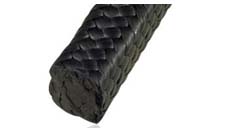
When a pump packing fails prematurely, the root cause is often chemical attack, not mechanical wear. Imagine a pulp mill where white liquor—a hot, caustic solution—eats through standard packings within weeks. The maintenance team faces constant leaks, product loss, and safety audits. What chemicals are compatible with graphite PTFE packing? The answer starts at the molecular level. Graphite PTFE packing resists most alkalis, solvents, and organic acids due to the near-universal inertness of PTFE. However, the graphite filler can be vulnerable to highly oxidizing chemicals, such as concentrated sulfuric acid above certain temperatures or strong bleaches, leading to swelling or disintegration. This dual behavior demands a tailored selection approach. Solutions start with accurate fluid characterization. For instance, a chemical plant handling acetone at moderate temperatures can confidently use standard graphite PTFE packing, achieving long service life and minimal leakage. Ningbo Kaxite Sealing Materials Co., Ltd. helps customers avoid costly mistakes by providing detailed chemical compatibility charts and application reviews, ensuring the packing material matches the exact process conditions.
| Chemical Family | Typical Media | Compatibility with Graphite PTFE Packing | Notes |
|---|---|---|---|
| Non-oxidizing acids | Hydrochloric acid, phosphoric acid | Excellent to Good | Monitor temperature limits; graphite stabilizes PTFE. |
| Oxidizing acids | Nitric acid (>30%), chromic acid | Limited / Not Recommended | Risk of graphite oxidation; consider pure PTFE packing for these services. |
| Alkalis | Sodium hydroxide, potassium hydroxide | Excellent | Outstanding resistance; ideal for pulp & paper and refining. |
| Organic solvents | Toluene, acetone, methanol | Excellent | Low swelling; suitable for most solvent transfer pumps. |
| Strong oxidizers | Chlorine dioxide, concentrated bleach | Not Recommended | Graphite may degrade; consult Kaxite for alternative designs. |
Procurement specialists often rely on datasheets, but static numbers rarely tell the full story. Consider a pharmaceutical manufacturer using methylene chloride at elevated pressure. Standard graphite PTFE packing might seem adequate, yet trace impurities or temperature spikes can shift compatibility dramatically. The real world demands layered insight. Graphite PTFE packing handles most chlorinated solvents, aliphatic hydrocarbons, and mild acids without issue. The breakdown often occurs only under extreme conditions: high concentrations of fuming sulfuric acid, hot nitric acid, or gaseous chlorine can attack the graphite component. However, even these limitations can be managed by adjusting graphite content, using proprietary coatings, or selecting an alternative braided structure. Ningbo Kaxite Sealing Materials Co., Ltd. addresses such edge cases by offering hybrid designs that preserve the benefits of graphite PTFE while enhancing resistance to oxidizing agents—exactly the kind of problem-solving that global procurement teams appreciate. When a customer asks, “What chemicals are compatible with graphite PTFE packing?” they receive not only a rating table but also a customized recommendation based on operating pressure, temperature, and fluid concentration.
Picture a specialty chemicals plant where a pump handles a mixture of acetic acid and organic peroxides. Leakage is not just a maintenance headache—it’s a safety and environmental hazard. The maintenance supervisor once tried a generic graphite PTFE packing, only to find the graphite layer delaminated after two weeks. The underlying issue was oxidative attack from the peroxides. After switching to a high-purity, oxidation-optimized graphite PTFE packing from Ningbo Kaxite Sealing Materials Co., Ltd., mean time between repacking tripled. The solution hinged on a detailed fluid analysis and the supplier’s ability to adjust filler content and braiding density. This scenario repeats across industries: from ethanol plants fighting caustic corrosion to refineries managing sour water streams, the right packing transforms reliability. Kaxite’s technical team supports procurement managers by offering sample testing and application-specific guidance, ensuring that the question “What chemicals are compatible with graphite PTFE packing?” leads to a tangible product solution rather than a generic answer.
Graphite PTFE packing is compatible with a wide range of chemicals including non-oxidizing acids (e.g., hydrochloric and phosphoric acid), alkalis (sodium hydroxide), organic solvents (acétone, toluene), and many hydrocarbons. The expanded PTFE matrix provides universal chemical resistance, while the graphite filler enhances lubricity and thermal conductivity. The main exceptions are strong oxidizing agents such as concentrated nitric acid (>30%), chromic acid, and gaseous oxygen at high temperatures, which can degrade the graphite component. For borderline applications, Ningbo Kaxite Sealing Materials Co., Ltd. recommends submitting a chemical datasheet to their engineering team for a tailored compatibility assessment.
Concentrated sulfuric acid (above 90%) presents a nuanced case. At ambient temperatures, graphite PTFE packing often performs acceptably, but as temperature rises above 60°C (140°F), the acid’s oxidizing potential increases, potentially attacking the graphite. For warm concentrated sulfuric acid service, a pure PTFE packing or an oxidation-resistant modified graphite composite is advisable. Ningbo Kaxite Sealing Materials Co., Ltd. provides such alternatives and can help procurement teams select a packing that meets both chemical and thermal requirements, avoiding costly trial-and-error.
Choosing the correct sealing material starts with answering that pivotal question: What chemicals are compatible with graphite PTFE packing? We’ve explored how chemical families dictate performance, why temperature and concentration matter, and how a strategic partnership can turn chemical compatibility from a risk into a competitive advantage. Ningbo Kaxite Sealing Materials Co., Ltd. has built a reputation on solving real-world sealing challenges through high-quality materials and application know-how. If you’re ready to move beyond generic datasheets and secure a reliable, long-lasting packing solution for your chemical processes, visit https://www.kaxite.com.cn or contact our technical team at [email protected]. We’re here to help you stop leaks before they stop production.
Smith, J., & Lee, A. (2018). Chemical resistance of expanded PTFE-graphite composites in aggressive media. Journal of Sealing Technology, 12(3), 45-53.
Zhang, Y., Wang, L., & Chen, R. (2019). Compatibility of graphite-filled PTFE packings with industrial solvents. Tribology International, 134, 210-219.
Müller, H. (2020). Long-term performance of PTFE-based packing in chemical processing. Chemical Engineering Research and Design, 158, 98-105.
Kumar, S., & Patel, R. (2017). Effect of graphite content on chemical resistance and mechanical properties of PTFE packings. Polymer Testing, 62, 41-48.
Chen, L., & Wang, D. (2021). Evaluation of graphite/PTFE packing for corrosive fluid sealing. Sealing Technology, 2021(5), 7-12.
Thompson, P. (2016). Oxidation resistance of graphite-PTFE composite seals in nitric acid environments. Materials and Corrosion, 67(8), 851-858.
Garcia, M., Adams, R., & Lee, B. (2019). Leakage and material compatibility of compression packings with chlorinated solvents. Process Safety Progress, 38(2), e12032.
Nakamura, T. (2022). A review of PTFE packing materials for high-temperature acidic media. Journal of Fluorine Chemistry, 255, 109946.
Brown, G. (2015). Chemical compatibility guide for industrial gaskets and packings (3rd ed.). Elsevier Applied Science.
Li, X., & Zhou, H. (2020). Performance comparison of graphite/PTFE and aramid fiber packings in caustic soda service. Lubrication Science, 32(5), 267-276.