Language
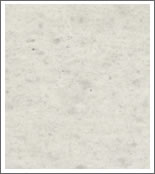
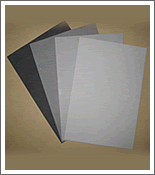
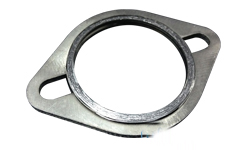
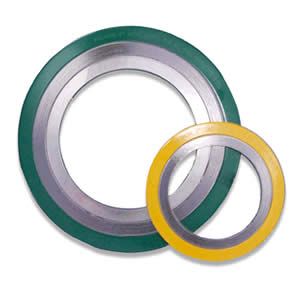
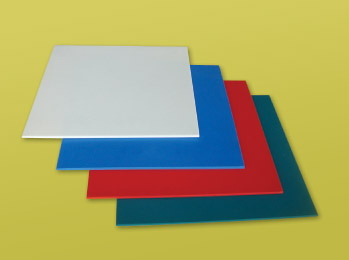
Non-asbestos sheet, also known as compressed fiber sheet, is a high-performance sealing and gasketing material engineered to replace traditional asbestos-based products. As global safety and environmental regulations have tightened, the demand for reliable, health-conscious industrial materials has surged. Non-asbestos sheets are composed of organic and inorganic fibers, such as aramid, glass, carbon, or cellulose, bonded with synthetic rubbers like NBR or SBR and fortified with fillers and additives. This formulation creates a versatile material that delivers excellent sealing performance, thermal stability, and chemical resistance without the associated health risks of asbestos. It is a cornerstone material in modern manufacturing, petrochemical, automotive, and power generation industries for creating durable, leak-proof seals in pumps, flanges, valves, and engines.
At Kaxite Sealing, we engineer our non-asbestos gasket sheets to exceed industry standards. Our commitment to quality ensures every sheet provides unmatched reliability.
Selecting the correct gasket material is critical for system safety and efficiency. Below are the detailed specifications for our standard range of non-asbestos sheets. For specialized requirements, please consult our technical team.
| Grade Code | Base Fiber / Binder | Color | Temperature Range | Density (g/cm³) | Thickness Available (mm) | Primary Applications |
|---|---|---|---|---|---|---|
| KX-NAF1100 | Aramid / NBR | Blue | -50°C to +250°C | 1.6 - 1.8 | 0.5, 0.8, 1.0, 1.5, 2.0, 3.0 | General purpose, automotive, hot water, mild chemicals. |
| KX-NAF2100 | Cellulose / NBR | Red | -40°C to +200°C | 1.5 - 1.7 | 0.8, 1.0, 1.5, 2.0, 3.0 | Oil, fuel, and coolant systems; low-pressure steam. |
| KX-NAF3100 | Glass / SBR | White | -100°C to +400°C | 1.8 - 2.0 | 1.0, 1.5, 2.0, 3.0, 4.0, 5.0 | High-temperature flanges, exhaust systems, hot oils. |
| KX-NAF4100 | Carbon / NBR | Black | -50°C to +300°C | 1.7 - 1.9 | 0.5, 1.0, 1.5, 2.0, 3.0 | Aggressive chemicals, acids, alkalis, refinery applications. |
| KX-NAF5100 | Aramid / Silicone | Orange | -70°C to +350°C | 1.6 - 1.8 | 1.0, 1.5, 2.0, 3.0 | Extreme temperature cycling, aerospace, oven doors. |
| Property | Test Standard | KX-NAF1100 | KX-NAF2100 | KX-NAF3100 | KX-NAF4100 | KX-NAF5100 |
|---|---|---|---|---|---|---|
| Tensile Strength (MPa) | ASTM F152 | ≥ 8.0 | ≥ 7.0 | ≥ 9.0 | ≥ 8.5 | ≥ 7.5 |
| Compressibility (%) | ASTM F36 | 10 - 20 | 12 - 25 | 7 - 15 | 8 - 18 | 10 - 22 |
| Recovery (%) | ASTM F36 | ≥ 45 | ≥ 40 | ≥ 50 | ≥ 45 | ≥ 50 |
| Sealing Stress (MPa) | EN 13555 | 25 - 40 | 20 - 35 | 30 - 50 | 25 - 45 | 22 - 40 |
| pH Resistance | In-house | 4 - 10 | 5 - 9 | 2 - 12 | 1 - 14 | 3 - 11 |
| Thermal Conductivity (W/m·K) | ASTM D5930 | 0.15 - 0.20 | 0.13 - 0.18 | 0.18 - 0.25 | 0.16 - 0.22 | 0.14 - 0.19 |
Q: What exactly does "non-asbestos" mean? Is it 100% safe?
A: "Non-asbestos" means the material is manufactured without using any asbestos fibers whatsoever. Asbestos is a known carcinogen, and its use is heavily restricted or banned in most countries. Kaxite Sealing non-asbestos sheets are formulated using safe, alternative fibers and binders. They are independently tested and certified to be free from asbestos and other hazardous respirable fibers, making them completely safe for handling, fabrication, and use in compliance with global health and safety regulations like OSHA and REACH.
Q: How do I choose the right grade of non-asbestos sheet for my application?
A: Selection depends on three primary factors: the media (what fluid or gas is being sealed), the operating temperature, and the pressure. For example, use our KX-NAF2100 (red) for engine oils and fuels at moderate temperatures. For high-temperature steam or exhaust gases, KX-NAF3100 (white) is ideal. For aggressive chemical services, KX-NAF4100 (black) offers superior resistance. Always consult the chemical resistance chart and technical datasheets. When in doubt, provide the application details to Kaxite Sealing's technical support for a precise recommendation.
Q: Can non-asbestos sheets be used as a direct replacement for old asbestos gaskets?
A: In the vast majority of applications, yes. Non-asbestos sheets are designed as direct "drop-in" replacements for asbestos-based materials. They often provide equal or superior sealing performance. However, it is crucial to ensure the new material is compatible with the service conditions. You may need to check the bolt load requirements, as some non-asbestos grades require different seating stress. We recommend replacing old gaskets with a Kaxite Sealing grade that matches or exceeds the original specifications for temperature, pressure, and chemical resistance.
Q: What is the shelf life of Kaxite Sealing non-asbestos sheets?
A: When stored correctly in its original packaging in a cool, dry, and dark environment away from direct sunlight, ozone, and extreme temperatures, Kaxite Sealing non-asbestos sheet material has a minimum shelf life of 5 years from the date of manufacture. Avoid storing near heat sources or corrosive chemicals. The material should remain pliable and within its published specification limits throughout this period.
Q: How should I store and handle non-asbestos sheets before fabrication?
A: Store sheets flat on a level surface or vertically supported to prevent bending or warping. Keep the area clean, dry, and at a stable room temperature (ideally between 15°C and 25°C). Use clean, sharp cutting tools (knives, punches, clicker presses, CNC cutters) for fabrication. Always wear appropriate personal protective equipment (PPE) such as safety glasses and gloves when cutting to prevent minor cuts from sheet edges. Clean the sealing surfaces of the flange thoroughly before installing the new gasket.
Q: Are there any industry certifications for your non-asbestos materials?
A>Absolutely. Kaxite Sealing is committed to quality and safety. Our non-asbestos sheet products are tested and comply with major international standards, including ASTM F104, ASTM F112, and DIN 3754 for material performance. They are also certified to be free from hazardous substances per RoHS and REACH regulations. Many of our grades meet or exceed the specifications of OEMs in the automotive, marine, and industrial sectors. Certificates of Conformance and Material Test Reports are available upon request.
The versatility of our engineered materials makes them suitable for a vast array of industries and sealing challenges. Key application areas include: