Language
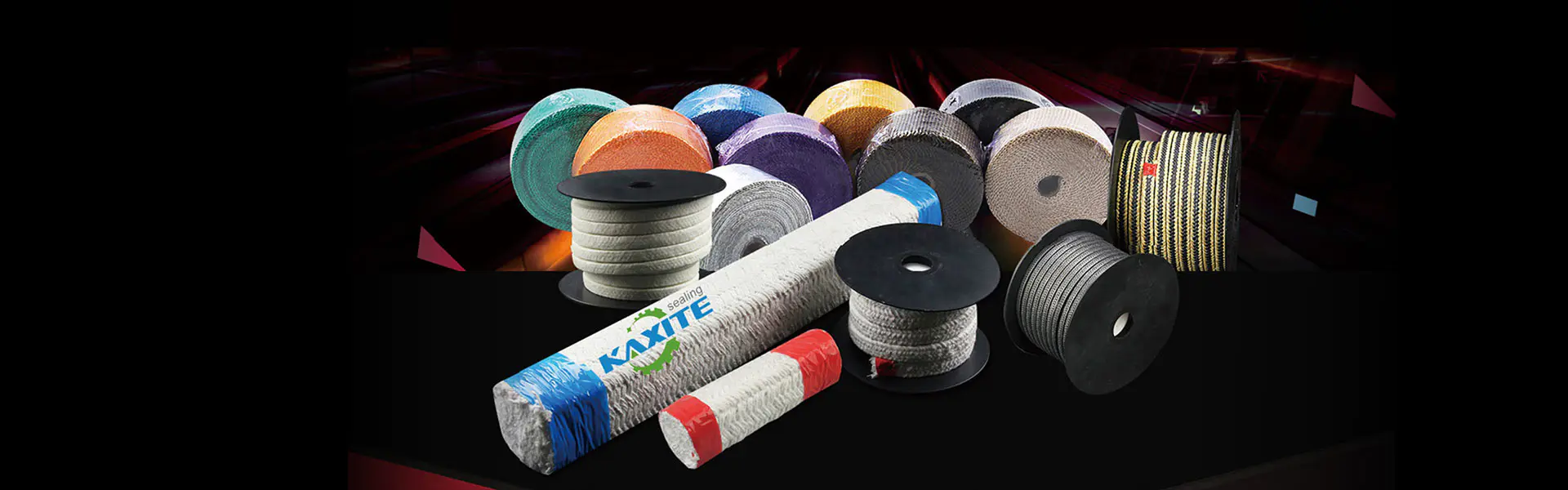
In the world of gasketing, insulation, and vibration control, the quest for a material that is both eco-friendly and high-performing is constant. Enter cork sheet, a natural material with a legacy of reliability. At Kaxite Sealing, we harness the inherent properties of cork to manufacture sealing solutions that meet the rigorous demands of modern industry. This guide delves into the specifications, applications, and unparalleled benefits of our premium cork sheet products, providing the detailed information engineers, fabricators, and procurement specialists need.
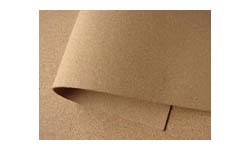
Cork is harvested from the bark of the cork oak tree (*Quercus suber*), primarily found in the Mediterranean region. This harvesting process is sustainable, as the tree is not cut down and regenerates its bark. The cellular structure of cork is its masterpiece: millions of tiny, air-filled cells per cubic centimeter. This unique structure bestows cork with a remarkable combination of properties essential for industrial applications:
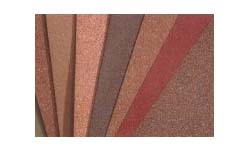
Kaxite Sealing produces a comprehensive range of cork sheet materials, often compounded with polymers like rubber or asphalt to enhance specific characteristics for targeted applications. Below are the key parameters that define our product line.
| Grade Name | Composition | Binder Type | Primary Color | Key Characteristics |
|---|---|---|---|---|
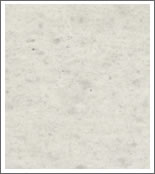
| Natural Cork | Pure cork granules | None (self-bonding) | Light Brown | Highest compressibility, eco-pure, for low-pressure static seals. |
| Cork-Rubber (CR) | Cork + Synthetic Rubber (SBR/NBR) | Elastomeric | Black or Grey | Excellent fuel/oil resistance, enhanced flexibility & durability. |
| Cork-Neoprene (CN) | Cork + Neoprene Rubber | Elastomeric | Black | Superior weather, ozone, and aging resistance. Ideal for outdoor applications. |
| Cork-Composition (CC) | Cork + Asphalt/Resin | Thermoset | Dark Brown/Black | Cost-effective, good general-purpose seal for automotive pans and covers. |
| Property | Test Method | Natural Cork | Cork-Rubber (CR) | Cork-Neoprene (CN) | Typical Units |
|---|---|---|---|---|---|
| Density | ASTM D1056 | 240-280 | 380-450 | 400-480 | kg/m³ |
| Tensile Strength | ASTM D412 | 1.2 - 1.8 | 2.5 - 4.0 | 2.8 - 4.5 | MPa |
| Compression Set (22h @ 70°C) | ASTM D395 | 25-35% | 20-30% | 18-28% | % |
| Operating Temperature Range | - | -40°C to 120°C | -40°C to 100°C | -40°C to 130°C | °C |
| Oil Swell (ASTM Oil #3, 70h @ 100°C) | ASTM D471 | N/A | 15-25% | 20-30% | % Volume Increase |
| Water Absorption (24h immersion) | ASTM D570 | 15-25% | 10-20% | 8-15% | % by Weight |
The versatility of Kaxite Sealing cork sheet makes it a critical component across diverse sectors.
Q: What is the main advantage of using a cork-rubber sheet over pure natural cork?
A: While pure natural cork offers excellent compressibility and is 100% natural, it has limitations with certain fluids and can be brittle. Cork-rubber sheet, a composite material from Kaxite Sealing, combines cork's compressibility with the elasticity, durability, and fluid resistance of synthetic rubber. This makes it far more versatile for demanding applications involving engine oils, fuels, and constant pressure cycling, such as in automotive oil pans or industrial fluid housings.
Q: How do I select the correct cork sheet thickness for my gasket application?
A: Thickness selection depends on flange design, surface finish, and required seal compression. For flat, machined flanges, a thinner sheet (1/32" to 1/8") is often sufficient. For uneven surfaces or castings with more roughness, a thicker sheet (1/4" or more) is needed to fill irregularities. The general rule is to select a thickness that allows for 25-30% compression under bolt torque to ensure a proper seal without over-stressing the material. Our Kaxite Sealing engineering team can assist with specific recommendations.
Q: Can cork sheet be used for high-temperature applications?
A: Cork-based materials have defined temperature limits. Pure cork and cork-rubber blends are generally rated for continuous service up to 100-120°C (212-250°F). Cork-neoprene grades from Kaxite Sealing can extend this to around 130°C (266°F). For temperatures consistently above 150°C (300°F), alternative materials like compressed non-asbestos fiber (CNAF) or graphite should be considered. Always consult the specific technical data sheet for the grade you are using.
Q: Is cork sheet resistant to chemicals and fuels?
A: Resistance varies by grade. Natural cork has fair resistance to weak acids and bases but swells in contact with oils and fuels. Cork-rubber (especially with NBR binder) offers very good resistance to aliphatic hydrocarbons, oils, and fuels. Cork-neoprene provides good resistance to weathering, ozone, and many chemicals but may swell in petroleum-based fluids. It is crucial to match the grade to the specific fluid media. Kaxite Sealing provides chemical resistance guides for our materials.
Q: How should I store cork sheet materials before fabrication?
A: Proper storage is key to maintaining performance. Store rolls or sheets vertically on their edge in a cool, dry, and dark environment. Ideal storage temperature is between 10°C and 25°C (50°F and 77°F) with relative humidity below 65%. Avoid laying sheets flat under heavy weight for long periods to prevent permanent compression. Keep away from direct sunlight, heat sources, and ozone-generating equipment like electric motors.
Q: Does Kaxite Sealing offer custom fabrication services?
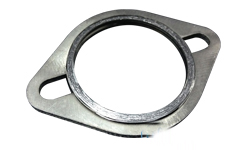
A: Yes, absolutely. Beyond supplying standard sheets and rolls, Kaxite Sealing operates a state-of-the-art fabrication facility. We offer precision die-cutting, kiss-cutting, and multi-layer laminate construction. We can produce ready-to-install gaskets, seals, and insulating components from your CAD drawings or samples, saving you time and reducing material waste.
Q: Is cork sheet an environmentally sustainable choice?
A: Yes, cork is one of the most sustainable industrial materials available. The cork oak tree is not cut down during harvest; only its bark is carefully stripped every 9-12 years, and the tree continues to absorb CO2. Kaxite Sealing is committed to sustainability by sourcing from responsibly managed forests and utilizing production processes that minimize waste. Our cork sheets are also biodegradable or recyclable at end-of-life, depending on the composite binder.
Choosing Kaxite Sealing as your cork sheet supplier means partnering with a specialist focused on quality, consistency, and technical expertise. We rigorously control our raw material sourcing and manufacturing process to ensure every batch meets precise specifications. Our technical support team provides unparalleled application guidance, from material selection to design optimization. We understand that a gasket is a small but critical component, and we deliver the reliability your products demand.