Language
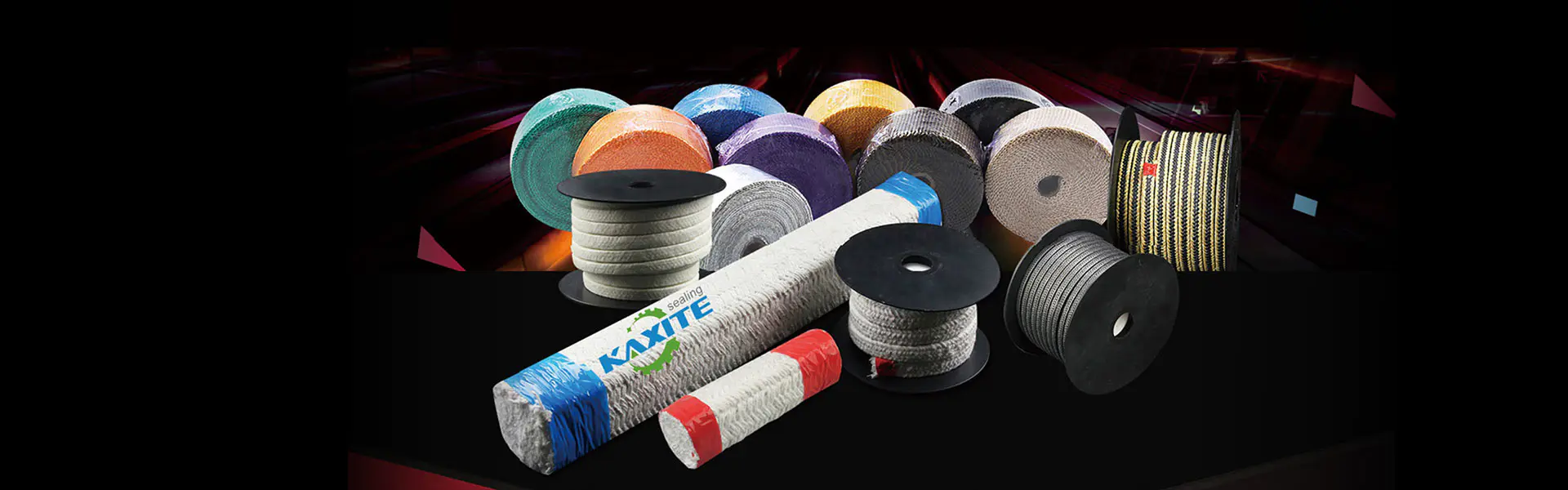
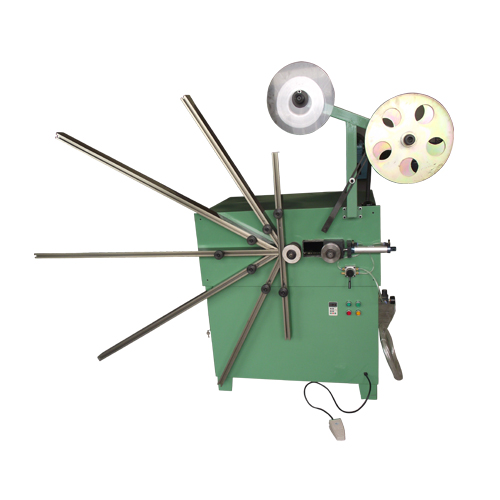
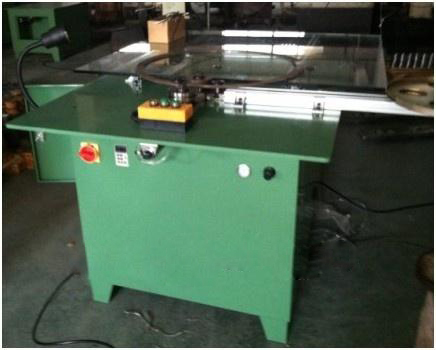
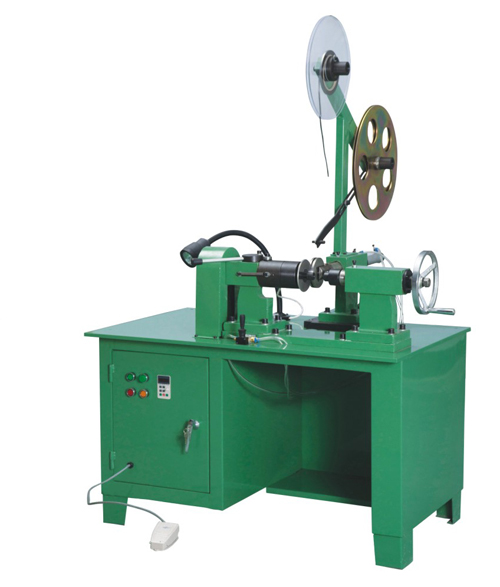
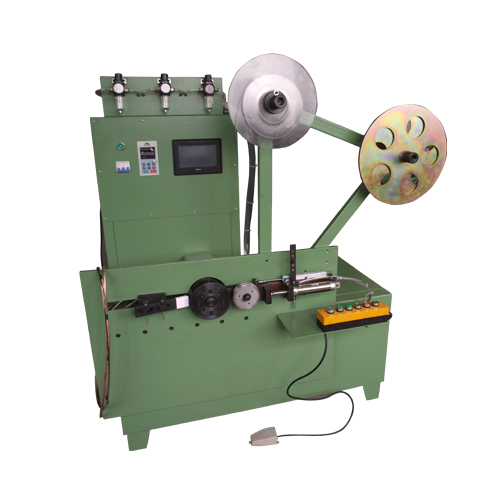
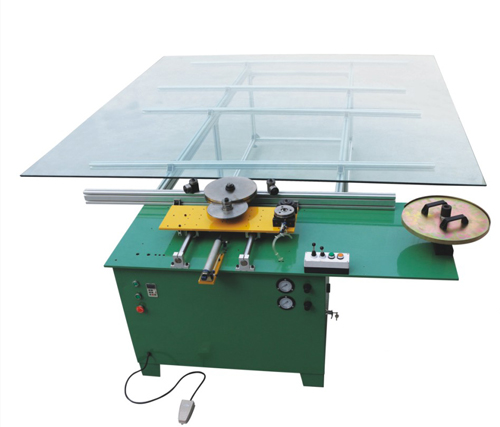
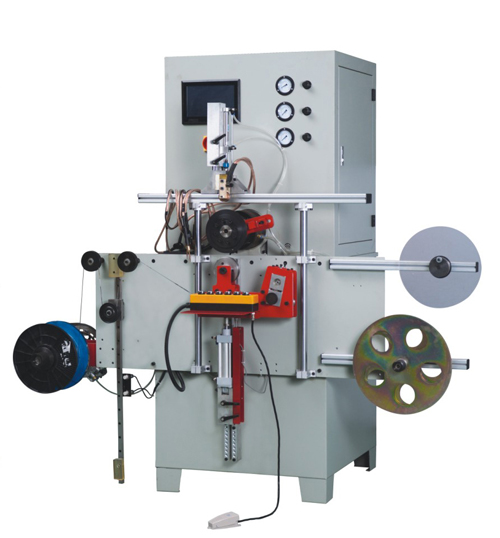
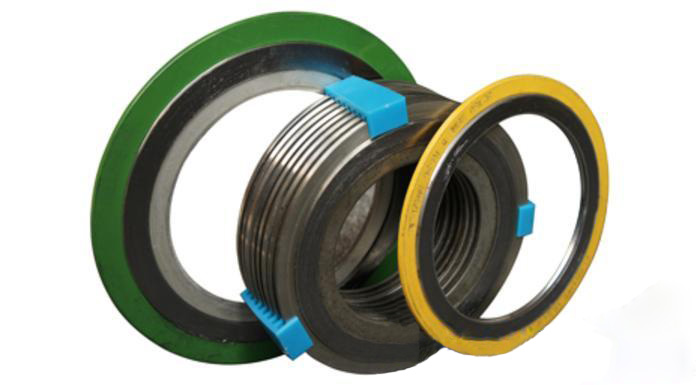
The production of reliable, high-performance spiral wound gaskets, critical components for industrial sealing, hinges entirely on the precision and capability of the manufacturing machinery. For decades, Kaxite Sealing has been at the forefront of designing and building advanced Machines For Spiral Wound Gaskets. Our engineering expertise translates into equipment that delivers unparalleled consistency, material efficiency, and geometric accuracy, forming the backbone of quality gasket production lines worldwide.
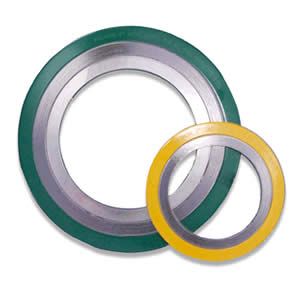
Unlike generic winding equipment, our machines are purpose-built for the demanding standards of the sealing industry. They precisely control the intricate interplay of pre-formed metal winding strip and non-metallic filler material (such as graphite, PTFE, or ceramic) under controlled tension and compaction. This process creates the characteristic V-shaped spiral that provides the gasket's exceptional resilience, sealing force, and recovery properties. Investing in a machine from Kaxite Sealing is an investment in product integrity, reduced scrap rates, and long-term production reliability.
Our machines are engineered with modularity and precision in mind. Below are the core parameter categories that define their performance and application scope.
This is the heart of the machine, determining the range of gaskets it can produce.
| Parameter | Specification Range | Details |
|---|---|---|
| Gasket Inside Diameter (ID) | 15 mm to 3000 mm | Determined by modular mandrel system. |
| Gasket Outside Diameter (OD) | Up to 3200 mm | Limited by machine model and turntable size. |
| Metal Strip Width | 2.0 mm to 6.5 mm | Adjustable guide assemblies for quick changeover. |
| Metal Strip Thickness | 0.15 mm to 0.5 mm | Compatible with SS304, SS316, Inconel, Titanium, etc. |
| Filler Material Thickness | 0.8 mm to 3.0 mm | Accommodates graphite foil, PTFE, mica, ceramic fiber. |
| Winding Pitch | 2.5 mm to 8.0 mm | Precisely adjustable via HMI; critical for density control. |
| Winding Tension Control | Servo-driven, programmable | Ensures consistent compaction and eliminates loose winds. |
Q: What is the most critical factor in a machine for producing leak-proof spiral wound gaskets?
A: The most critical factor is consistent and precise tension control throughout the winding process. A machine must apply uniform, programmable tension to both the metal strip and filler material. Any fluctuation causes variations in the gasket's density and cross-section, leading to potential leak paths under compression. Kaxite Sealing machines utilize closed-loop servo control systems that maintain tension within a +/- 2% tolerance, ensuring every revolution of the gasket has identical compaction.
Q: Can one machine handle different metal and filler material types?
A: Yes, a well-designed machine is highly versatile. The key is in the adjustable components. Our machines feature quick-change guide assemblies for different strip widths and material feed systems that can handle the varying flexibility of graphite, PTFE, or ceramic fillers. The tension control system must be programmable with different profiles for soft fillers (like PTFE) versus more rigid ones (like certain graphite grades). Proper machine setup is crucial when switching materials to maintain quality.
Q: How important is the control system (PLC and HMI) on these machines?
A: It is paramount. Modern PLC-based control systems do more than just start and stop the machine. They store precise recipes for different gasket specifications (ID, OD, pitch, material type). Operators can recall a job with a tap on the screen, eliminating manual adjustment errors. The HMI provides real-time diagnostics, alerts for low material supply, and monitors key parameters like winding speed and tension. This level of automation is essential for repeatability and reducing skilled labor dependency.
Q: What is the typical production output or cycle time for a standard gasket?
A: Cycle time is not fixed; it depends on gasket diameter, pitch (density), and winding speed. For example, a 150mm OD gasket with a standard pitch might take 45-60 seconds to wind on a KX-SWG450 model. Larger diameters (over 1000mm) can take several minutes. The advantage of automated machines is their ability to run consistently at optimal speed without fatigue. Output is measured in shifts or days, focusing on consistency and zero defect rates rather than just raw speed.
Q: Does Kaxite Sealing provide training and technical support for the machinery?
A: Absolutely. Comprehensive training is a cornerstone of our offering. We provide on-site training for operators and maintenance technicians, covering machine operation, routine maintenance, troubleshooting, and tooling changeovers. Furthermore, Kaxite Sealing offers ongoing remote and on-call technical support, a library of detailed manuals and videos, and a global network of service engineers to ensure minimal downtime throughout the machine's operational life.
Q: Can these machines produce gaskets to international standards like ASME B16.20 or EN 1514?
A: Yes, the machines themselves are the tool to achieve those standards. The geometric precision (controlling ID, OD, and cross-sectional thickness) and consistent winding density directly impact whether the finished gasket meets the dimensional and performance criteria of ASME, EN, DIN, or JIS standards. Success relies on three pillars: a precision machine (like ours), correct tooling (mandrels), and verified input materials. Our machines are designed to be the reliable first pillar, giving manufacturers the capability to produce certified, compliant gaskets consistently.
To stay competitive, modern gasket manufacturing requires more than just basic winding. Kaxite Sealing integrates advanced features that enhance productivity, quality assurance, and operational safety.