Language
In the realm of high-performance engineering plastics, PTFE (Polytetrafluoroethylene) rod stands as a cornerstone material, renowned for its exceptional set of properties. Often referred to by the brand name Teflon®, PTFE is a synthetic fluoropolymer that offers an almost unparalleled combination of chemical resistance, thermal stability, and electrical insulation. For engineers, designers, and procurement specialists across industries from aerospace and chemical processing to food & beverage and semiconductor manufacturing, specifying the correct PTFE rod is critical for project success, longevity, and safety. This guide delves deep into the specifications, applications, and considerations for selecting premium PTFE rod stock, highlighting the superior offerings from industry leader Kaxite Sealing.
Kaxite Sealing has built a reputation over decades for providing not just materials, but engineered solutions. Our PTFE rods are manufactured under stringent quality controls, ensuring consistency, purity, and performance that meet the most demanding industrial standards. We understand that a rod is more than just a cylinder of plastic; it is a component destined for critical functions, and its material integrity is non-negotiable.
The widespread adoption of PTFE rod stems from its unique molecular structure, which confers a host of advantageous properties:
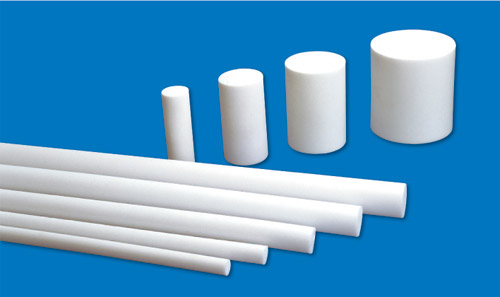
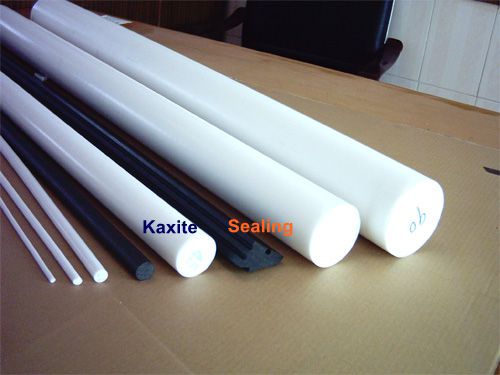
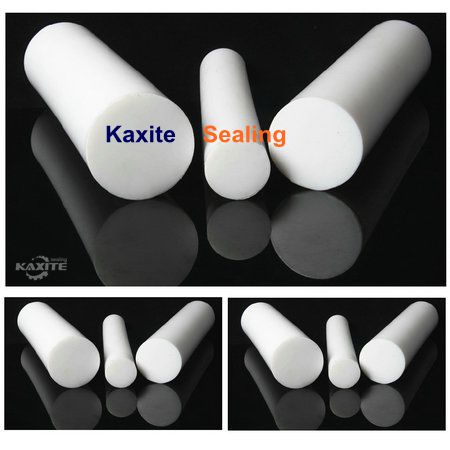
Kaxite Sealing offers a comprehensive range of PTFE rods tailored to various industrial needs. Our products are characterized by precise dimensions, controlled density, and specific grades to match your application requirements.
| Parameter | Specification / Range | Standard | Notes |
|---|---|---|---|
| Material | Virgin PTFE (100% Polytetrafluoroethylene) | ASTM D1710 | Also available in filled grades (e.g., glass, carbon, graphite, bronze). |
| Standard Diameter Range | 5 mm to 300 mm (0.2" to 12") | N/A | Custom diameters available upon request. |
| Standard Length | 1000 mm, 2000 mm (39.4", 78.7") | N/A | Can be cut to custom lengths. |
| Density | 2.14 - 2.20 g/cm³ | ASTM D792 | Indicative of material purity and processing quality. |
| Color | White (Virgin), Black or other (Filled Grades) | N/A | Virgin PTFE is naturally opaque white. |
| Tensile Strength | 25 - 35 MPa | ASTM D638 | Filled grades can exhibit higher tensile strength. |
| Elongation at Break | 300 - 500% | ASTM D638 | Demonstrates high ductility and toughness. |
To enhance specific properties, Kaxite Sealing offers compounded PTFE rods with various fillers:
| Grade Name | Primary Filler(s) | Key Enhanced Properties | Typical Applications |
|---|---|---|---|
| KX-PTFE-V (Virgin) | None | Maximum chemical purity, best electrical properties, translucency. | Chemical labware, semiconductor parts, high-purity seals, insulators. |
| KX-PTFE-G (Glass Filled) | Glass Fiber (15-25%) | Improved wear resistance, reduced cold flow, higher stiffness. | Wear pads, bearings, bushings, valve seats. |
| KX-PTFE-C (Carbon Filled) | Carbon Graphite (15-25%) | Excellent wear and creep resistance, good thermal conductivity, static dissipation. | Piston rings, compressor rings, dynamic seals in dry running conditions. |
| KX-PTFE-B (Bronze Filled) | Bronze Powder (40-60%) | Superior thermal conductivity, excellent wear resistance, high load capacity. | Thrust washers, heavy-duty bearings, applications requiring heat dissipation. |
Q: What is the main difference between virgin PTFE rod and filled PTFE rods?
A: Virgin PTFE rod is made from 100% pure PTFE resin, offering the highest level of chemical resistance, electrical insulation, and non-contaminating properties. Filled PTFE rods incorporate materials like glass, carbon, or bronze into the PTFE matrix. These fillers are added to improve specific mechanical properties such as wear resistance, compressive strength (to reduce cold flow), thermal conductivity, and dimensional stability, often at a slight trade-off in ultimate chemical purity or electrical performance.
Q: How does the "cold flow" or "creep" property of PTFE affect its use in rod form?
A: Cold flow refers to PTFE's tendency to deform slowly under sustained mechanical load, even at room temperature. This is a critical design consideration. When used for seals or gaskets under constant bolt load, or for bearings under heavy, static loads, pure PTFE may gradually deform, leading to stress relaxation and potential seal failure. This is precisely why filled grades from Kaxite Sealing are recommended for such applications; the fillers significantly reduce creep, enhancing the rod's ability to maintain shape and load-bearing capacity over time.
Q: Can PTFE rod be used for high-precision machined parts?
A: Absolutely. PTFE is renowned for its excellent machinability. It can be turned, milled, drilled, and threaded to very tight tolerances with standard metalworking tools (using sharp, high-rake-angle tools is recommended). Kaxite Sealing's rods are produced with consistent density and homogeneity, which is crucial for predictable and precise machining outcomes, preventing voids or inconsistencies that could compromise the final part.
Q: How do I choose the right grade of PTFE rod for my application?
A: Selection depends on the primary service conditions. Start by defining: 1) Chemical Environment: List all chemicals, concentrations, and temperatures. Virgin PTFE handles the broadest range. 2) Mechanical Load: Is it a static seal, dynamic bearing, or structural component? High load/stress applications need filled grades. 3) Wear & Friction: For moving parts, glass or carbon-filled grades drastically improve service life. 4) Thermal & Electrical Needs: For heat dissipation, choose bronze-filled; for electrical insulation, specify virgin PTFE. The technical team at Kaxite Sealing can provide detailed guidance based on your specific parameters.
Q: Why should I source PTFE rod from a specialized supplier like Kaxite Sealing instead of a general plastics distributor?
A: Specialization matters. Kaxite Sealing focuses on high-performance sealing and polymer materials. This means we offer deep technical expertise, consistent quality control from raw material to finished rod, a wider range of specialized grades (like our KX-series formulations), and the ability to provide custom sizes and formulations. A general distributor may offer a basic grade, but often lacks the application knowledge to prevent costly material mis-specification and may have variable quality sources.
Q: Are there any special storage or handling requirements for PTFE rod?
A: PTFE rods are relatively robust but should be stored in a cool, dry place away from direct sunlight and extreme heat. They should be stored horizontally on flat supports to prevent bending or distortion over long periods, especially for smaller diameters. While chemically resistant, keeping them clean from surface dirt and grease is advisable before machining to prevent contaminating the final component.
Q: Can PTFE rods be bonded or welded to other materials?
A: Bonding PTFE is challenging due to its non-stick surface. It cannot be adhesively bonded without specialized surface treatment processes (like sodium etching or plasma treatment) to alter the surface chemistry and enable adhesion. For creating complex assemblies, mechanical fastening (using bolts, press-fits, or designing retaining features) is the standard and most reliable method. Welding (heat sealing) is possible for joining PTFE to PTFE using specialized equipment.
Q: What industries most commonly use PTFE rod from Kaxite Sealing?
A: Our PTFE rods serve a diverse set of industries: Chemical Processing: For seals, gaskets, valve components, and lining supports exposed to corrosives. Aerospace & Defense: For insulators, lightweight bearings, and fluid handling components. Food & Pharmaceutical: Virgin PTFE for components requiring FDA compliance, non-toxicity, and easy cleaning. Semiconductor: Ultra-clean virgin PTFE for wafer carriers and fluid handling in etching/cleaning. General Industrial: For bearings, bushings, slide plates, and electrical insulators across manufacturing equipment.
To achieve the best results when machining Kaxite Sealing PTFE rods, follow these general guidelines: