Language
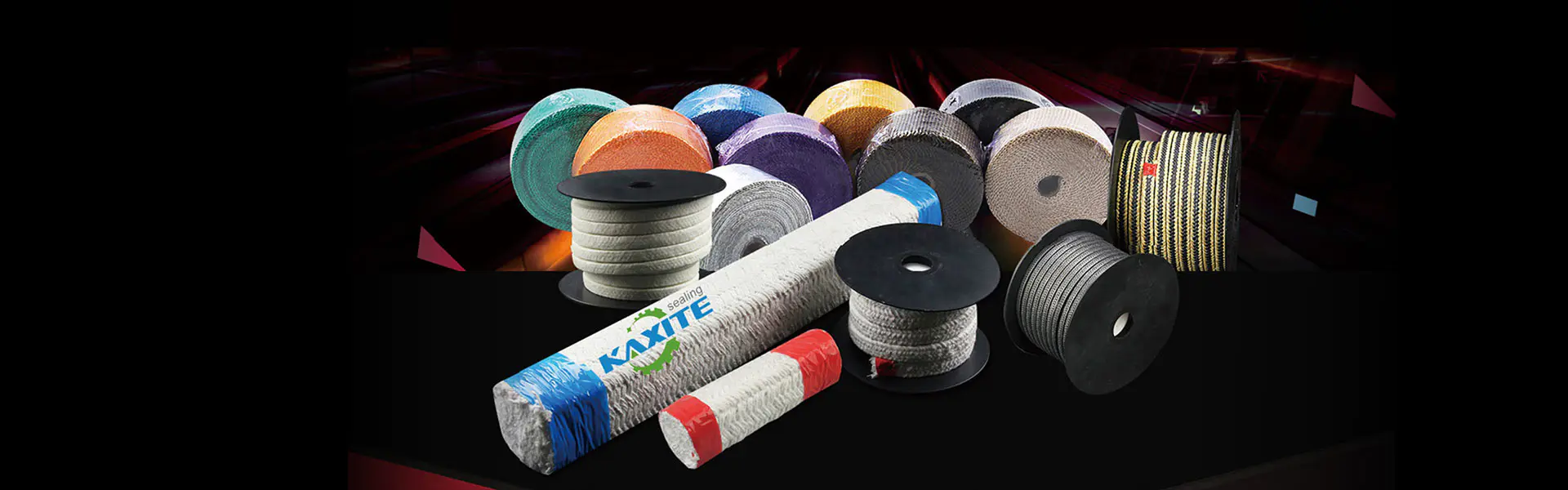
In high-temperature and industrial sealing, few materials have the historical pedigree and specific performance characteristics of dusted asbestos. For decades, it has been the benchmark for creating reliable, heat-resistant seals in demanding environments. At Kaxite Sealing, we understand the critical nature of these applications and provide high-grade dusted asbestos that meets stringent industrial standards. This guide delves deep into the product, its specifications, and its proper use, positioning Kaxite Sealing as your knowledgeable partner for specialized sealing solutions.
Dusted asbestos refers to a finely milled, dry powder form of chrysotile asbestos fibers. It is not used as a standalone product but is an essential component in the creation of high-temperature gaskets, packings, and seals. When mixed with binding agents—typically rubber compounds—the dusted asbestos provides the primary matrix that delivers exceptional thermal stability, chemical resistance, and sealing integrity. The "dusting" process creates a uniform, consistent fiber size that ensures even distribution within a composite material, leading to predictable and reliable performance under compression and heat.
Kaxite Sealing's dusted asbestos is engineered for integration into sealing products for severe-service applications:
Quality begins with precise specifications. Below are the critical parameters that define Kaxite Sealing's premium dusted asbestos product line.
| Parameter | Specification | Test Method / Notes |
|---|---|---|
| Fiber Type | Chrysotile (White Asbestos) | Grade 3T, Canadian/Selected sources |
| Color | White to Off-White | Visual inspection |
| Moisture Content | ≤ 1.5% | ASTM D2216 |
| Bulk Density | 12 - 18 lbs/ft³ (192 - 288 kg/m³) | Loose fill |
| pH (in water) | 9.5 - 10.5 | Indicates alkaline nature |
| Loss on Ignition (LOI) | 13 - 15% | Represents structural water loss |
| Sieve Mesh Size (μm) | % Retained (Max) | Importance for Performance |
|---|---|---|
| +250 μm | 2% | Ensures no large agglomerates for smooth composite mixing. |
| -250 to +106 μm | 15% | Provides structural reinforcement in the composite matrix. |
| -106 to +45 μm | 60% | The primary fraction for optimal packing density and surface coverage. |
| -45 μm (Pan) | 23% | Fine particles fill micro-voids, enhancing seal tightness. |
| Average Fiber Length (L) | 1.2 - 2.5 mm | Critical for tensile strength in finished products. |
| Average Fiber Diameter (D) | 0.02 - 0.04 μm | Ultra-fine diameter contributes to high surface area and flexibility. |
When properly compounded with binders (e.g., NBR, SBR rubber), Kaxite Sealing's dusted asbestos enables the following performance ranges in finished gaskets or packings:
Q: Is dusted asbestos still legal and safe to use in manufacturing?
A: The use of asbestos is heavily regulated but not universally banned. In many industrial contexts, its use in contained, high-temperature sealing components remains legal under strict "controlled use" regulations. Safety is paramount. Kaxite Sealing supplies dusted asbestos exclusively to professional manufacturers who are obligated to follow OSHA, EPA, and local regulations for handling, processing, and enclosing the fibers within a binder matrix to create a safe, final product. It is not sold for DIY or uncontained use.
Q: How does Kaxite Sealing's dusted asbestos compare to non-asbestos alternatives?
A: Non-asbestos materials (aramid, glass, carbon, ceramic fibers) have advanced significantly and are suitable for many applications. However, Kaxite Sealing's chrysotile-based dusted asbestos often provides a unique balance of properties: superior heat resistance without brittle degradation, excellent sealability under low flange loads, inherent lubricity from the fiber structure, and long-term stability in saturated steam service. For legacy equipment or specific extreme conditions, it can be the optimal or specified material.
Q: What are the critical handling procedures for this material in our factory?
A: Handling must comply with all applicable health and safety laws. Key procedures include: receiving and storing bags in a designated, labeled area; using dedicated, negative-pressure ventilation systems (e.g., HEPA-filtered glove boxes or booths) for any operation that generates dust (mixing, weighing); prohibiting dry sweeping—using HEPA vacuuming only; requiring workers to use proper PPE (P100/N100 respirators, disposable coveralls); and ensuring all waste is collected, wetted, sealed, and disposed of as hazardous material per regulations. Kaxite Sealing can provide Material Safety Data Sheets (MSDS) and handling guidelines.
Q: Can we customize the fiber length or particle size distribution for a specific application?
A: Yes. Kaxite Sealing works with OEM clients on custom grades. We can adjust milling processes to tailor the average fiber length (L) and the particle size distribution curve. A longer fiber length may be specified for higher tensile strength in braided packings, while a finer, more uniform distribution might be needed for thin, high-density sheet gaskets. Discuss your application's mechanical and thermal requirements with our technical team.
Q: What binder systems work best with your dusted asbestos?
A: The choice of binder is application-driven. For flexible, oil-resistant seals, Nitrile Rubber (NBR) is common. For general heat resistance, Styrene-Butadiene Rubber (SBR) is effective. For the highest temperature tolerance where flexibility is less critical, phenolic resins or silicone rubbers can be used. Kaxite Sealing's fibers are processed to be clean and free from contaminants that could inhibit bonding, ensuring compatibility with a wide range of elastomeric and resinous binders.
Q: How is the product packaged and shipped?
A> For safety and integrity, Kaxite Sealing ships dusted asbestos in heavy-duty, multi-ply polyethylene-lined paper bags or sealed plastic pails. Standard weights are 25 kg (55 lb) bags or 45 kg (100 lb) drums. All packaging is clearly labeled with product identification, lot number, and appropriate hazard warnings. Shipments are arranged via certified carriers familiar with handling regulated materials.
Q: Does Kaxite Sealing offer technical support for product integration?
A> Absolutely. Our partnership goes beyond supply. Kaxite Sealing provides comprehensive technical data sheets, processing recommendations for mixing ratios and cycle times, and access to our engineering team for troubleshooting composite formulation challenges. We aim to ensure your finished product achieves the desired performance benchmarks reliably and efficiently.
Choosing Kaxite Sealing as your supplier means investing in consistency, expertise, and responsible sourcing.