Language
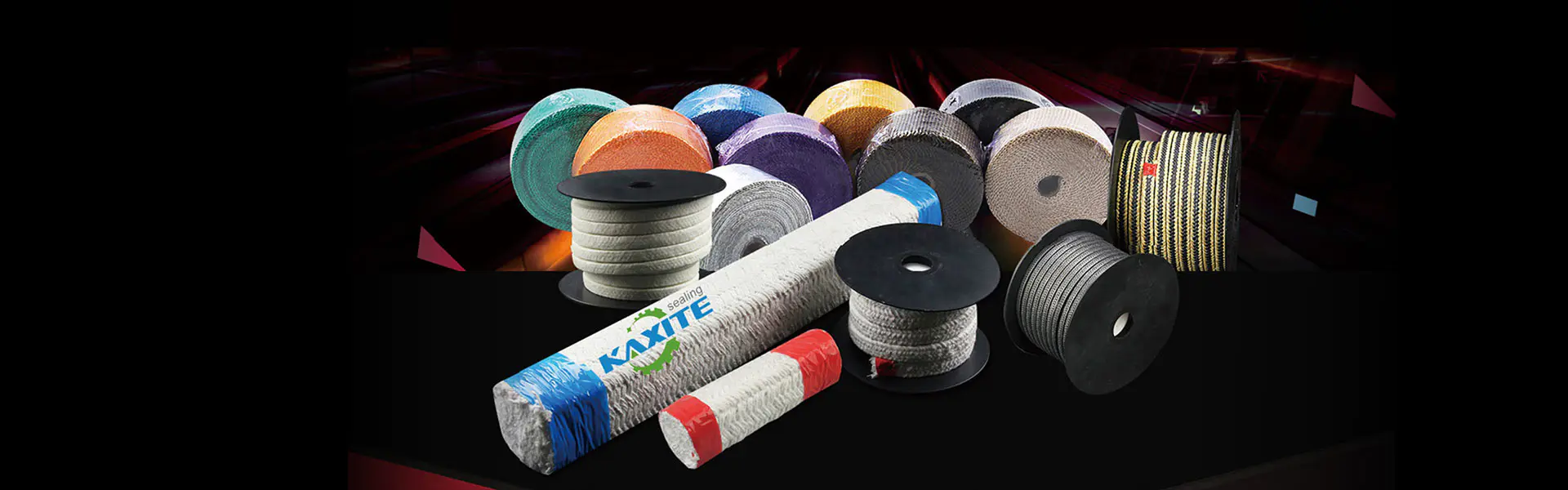
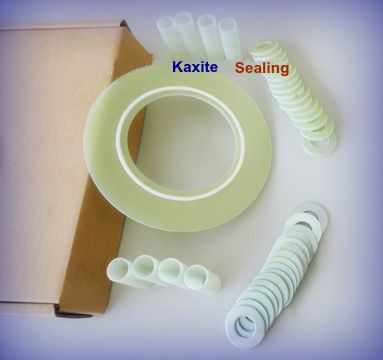
In the intricate world of industrial machinery and fluid systems, the integrity of every connection is paramount. A single point of failure can lead to costly downtime, safety hazards, and significant product loss. This is where the humble yet critical component, the gasket, proves its indispensable value. As a sealing solution expert with decades of experience, Kaxite Sealing understands that a gasket is far more than just a piece of material; it is a precision-engineered barrier designed to create a leak-proof seal between two or more mating surfaces under compression.
At Kaxite Sealing, we engineer our gaskets to meet the most demanding applications across diverse industries, including oil & gas, chemical processing, power generation, pharmaceuticals, food & beverage, and automotive manufacturing. Our commitment is to provide sealing solutions that ensure safety, enhance efficiency, and extend the operational life of your equipment.
A gasket's primary function is to prevent the leakage of fluids (liquids or gases) and to keep out contaminants. The selection of the correct gasket type and material is a science in itself, dependent on factors such as pressure, temperature, media being sealed, flange design, and surface finish.
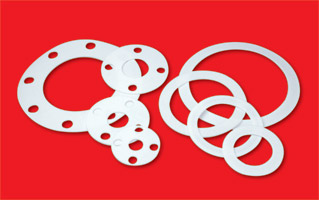
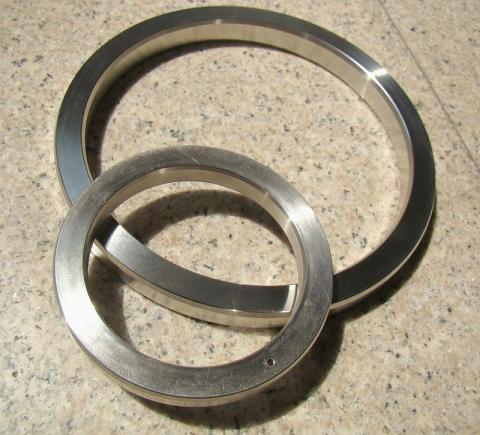
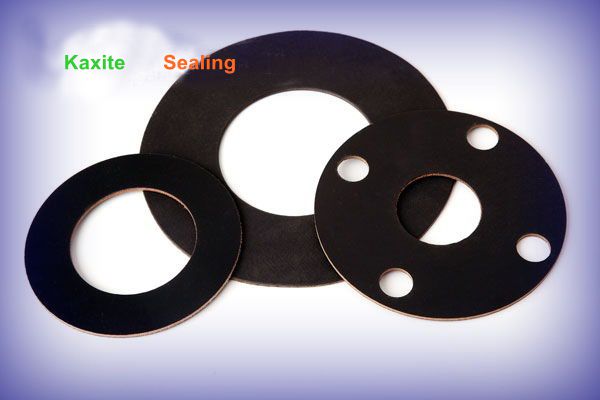
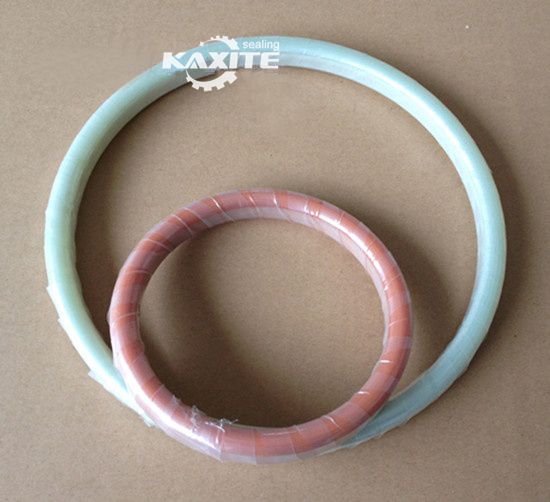
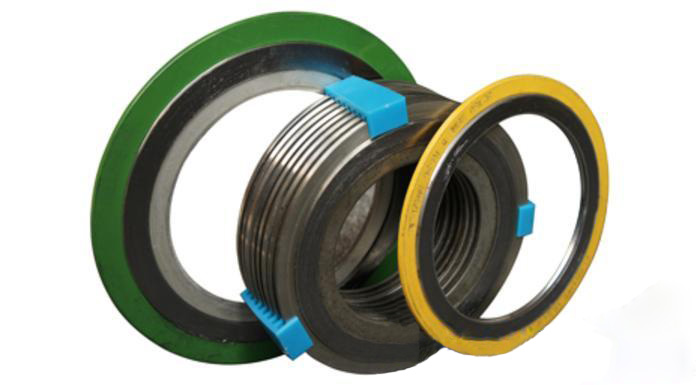
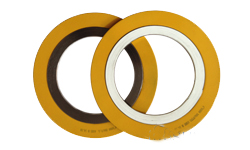
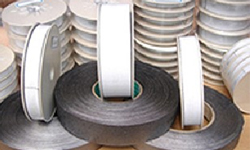
Common Gasket Types We Offer:
Our engineering philosophy centers on precision, reliability, and material excellence. Below are detailed specifications for some of our core gasket product lines.
Selecting the right material is the first critical step. Our materials are tested to international standards to ensure performance.
| Material Type | Temperature Range | Pressure Range | Key Chemical Resistance | Common Standards |
|---|---|---|---|---|
| Compressed Non-Asbestos (Aramid Fiber) | -100°C to +300°C (-148°F to +572°F) | Up to 150 Bar (2175 PSI) | Steam, Water, Oils, Fuels, Mild Acids/Alkalis | ASTM F 104, DIN 3754 |
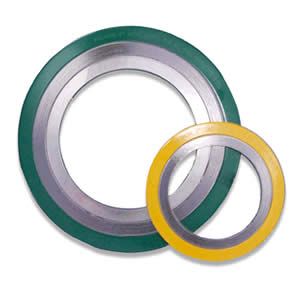
| Spiral Wound (304SS/Graphite) | -250°C to +550°C (-418°F to +1022°F) | Up to 250 Bar (3625 PSI) | Broad chemical resistance dependent on filler; Graphite is excellent for most services except strong oxidizers. | ASME B16.20, EN 1514-2 |
| Pure PTFE | -200°C to +260°C (-328°F to +500°F) | Up to 20 Bar (290 PSI) for full-face designs | Excellent for virtually all aggressive chemicals, solvents, and acids. | FDA Compliant, USP Class VI |
| EPDM Rubber | -50°C to +150°C (-58°F to +302°F) | Up to 10 Bar (145 PSI) | Water, Steam, Alkalis, Mild Acids, Alcohols, Ketones. | ASTM D2000, FDA 21 CFR 177.2600 |
| Flexible Graphite | Inert atmosphere: Up to 3000°C (5432°F) Oxidizing: Up to 450°C (842°F) |
Up to 200 Bar (2900 PSI) | Excellent for hot oils, acids (except strong oxidizers like nitric acid), and steam. | DIN 28090-2, ASTM F 152 |
Kaxite Sealing gaskets are manufactured to all major international and national standards. We also provide full custom manufacturing based on your drawings or samples.
Q: How do I select the right gasket material for my application?
A: The selection process involves evaluating five key factors: 1) Fluid Media: Determine the chemical compatibility of the gasket material with the fluid. Use chemical resistance charts. 2) Temperature: The operating and peak temperatures must be within the material's range. 3) Pressure: The gasket must withstand the internal pressure and the bolt load. 4) Flange Conditions: Consider the flange material, surface finish, and bolt load capacity. 5) Regulatory Requirements: For food, pharmaceutical, or potable water applications, FDA, USP, or WRAS approvals may be necessary. Kaxite Sealing provides free technical consultation to guide you through this process.
Q: What is the difference between a full-face and an inner-bolt circle (IBC) gasket?
A: A full-face gasket covers the entire flange face, including the bolt holes. It is typically used with flat-faced (FF) flanges. An inner-bolt circle (IBC) gasket, also known as a raised-face (RF) gasket, sits inside the ring of bolts on a raised face flange. The correct choice is dictated by your flange type. Using the wrong style can lead to improper seating and sealing failure.
Q: How tight should I bolt my flanges when installing a gasket?
A: Proper bolt torque is critical. Under-tightening causes leaks; over-tightening can crush the gasket, damage flanges, or cause bolt failure. Always refer to the gasket manufacturer's recommended torque values, which are based on gasket material, size, and pressure rating. Use a calibrated torque wrench and follow a cross-pattern tightening sequence to ensure even compression across the gasket face. ASME PCC-1 provides detailed guidelines for bolted joint assembly.
Q: Can I re-use a gasket after disassembling a connection?
A: As a general rule, gaskets should not be re-used. They are designed to compress and conform to the flange surface imperfections during the first installation. Once decompressed, they lose their resilience and sealing ability. Re-use significantly increases the risk of a leak. Kaxite Sealing always recommends installing a new, clean gasket for any re-made connection.
Q: What causes gasket failure, and how can it be prevented?
A: Common failure modes include: Blow-out: Caused by insufficient bolt load or internal pressure exceeding the gasket's capability. Compression Set: The gasket permanently deforms and loses recovery, often due to excessive temperature or over-torquing. Chemical Attack: The media deteriorates the gasket material. Prevention starts with correct material and type selection, followed by proper installation procedures (clean surfaces, correct torque, even loading), and adherence to the specified operating conditions (P/T). Regular maintenance inspections are also crucial.
Q: Does Kaxite Sealing provide gaskets for specialty applications like heat exchangers or aggressive acids?
A: Absolutely. Specialty applications are our forte. For heat exchangers, we manufacture a wide range of graphite, PTFE, and compressed sheet gaskets in all standard and custom shapes. For the most aggressive chemical services, such as concentrated sulfuric acid, mixed acids, or chlorine, we offer gaskets made from advanced materials like PTFE, FEP, PFA, or specially impregnated graphite. Our engineers will work with you to select or develop a gasket that meets the exact challenge.
Beyond standard gaskets, Kaxite Sealing invests in advanced sealing technology. Our R&D department focuses on developing solutions for extreme environments and improving longevity.
The reliability of your operations hinges on the quality of your seals. From routine pipeline maintenance to critical reactor closures, the correct gasket is a small component with a massive responsibility. Kaxite Sealing brings two decades of material science, engineering precision, and industry-specific knowledge to every product we manufacture. We don't just supply gaskets; we deliver confidence in containment.