Language

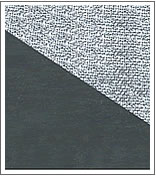
Compression sheets, also known as compressed non-asbestos sheets or gasket sheets, are engineered sealing materials designed to create a tight, leak-proof barrier between two mating surfaces in industrial equipment. Unlike simple cut gaskets, these sheets are supplied in a raw, uncompressed form and are then compressed during the installation process under flange pressure. This compression allows the material to flow and conform perfectly to surface imperfections, ensuring a superior seal that can withstand high temperatures, pressures, and aggressive media. At Kaxite Sealing, we manufacture premium-grade compression sheets that serve as the foundational material for creating reliable, long-lasting gaskets for pipelines, pumps, heat exchangers, and chemical processing vessels. Their versatility and performance make them indispensable in industries ranging from oil & gas and chemical processing to power generation and marine applications.
Selecting the correct compression sheet is paramount for safety and system integrity. The performance is dictated by a combination of material composition and physical properties. Below are the critical parameters that define our product range at Kaxite Sealing.
Our sheets are classified based on their binder system and reinforcement fibers, which determine their core characteristics.
The following table outlines the standard test properties for our most common grades. Specifications are per ASTM F104, DIN 3754, and other international standards.
| Property | Test Method | Standard Grade (NBR Based) | High-Temp Grade (Aramid Fiber) | Acid-Resistant Grade | Units |
|---|---|---|---|---|---|
| Density | ASTM D792 | 1.6 - 1.8 | 1.7 - 1.9 | 1.8 - 2.0 | g/cm³ |
| Compressibility | ASTM F36 | 7 - 12% | 5 - 9% | 6 - 10% | % @ 35 MPa |
| Recovery | ASTM F36 | ≥ 45% | ≥ 40% | ≥ 50% | % |
| Tensile Strength | ASTM D828 | ≥ 8.0 | ≥ 10.0 | ≥ 7.0 | MPa |
| Temperature Range | Continuous Service | -30°C to +120°C | -50°C to +400°C | -20°C to +200°C | °C |
| pH Resistance Range | Immersion Test | 4 - 10 | 2 - 12 | 0 - 14 (for short periods) | pH |
| Thickness Availability | Standard Sheets | 0.5mm to 3.0mm | 0.8mm to 3.0mm | 1.0mm to 3.0mm | mm |
| Standard Sheet Size | - | 1500mm x 1500mm or 1250mm x 1250mm (Custom sizes available) | mm | ||
Q: What is the main difference between a compression sheet and a pre-cut gasket?
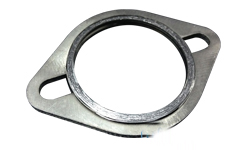
A: A compression sheet is the raw, semi-finished material supplied in large sheets or rolls. A fabricator or maintenance technician cuts it to the required shape and size on-site. A pre-cut gasket is already die-cut or water-jet cut to a specific flange dimension. Compression sheets offer superior flexibility for custom or odd-shaped flanges, reduce inventory costs by using one sheet for many gaskets, and allow for optimal material utilization with minimal waste. Kaxite Sealing supplies the high-quality sheet material, enabling you to fabricate gaskets as needed.
Q: How do I select the right Kaxite Sealing compression sheet grade for my application?
A: Selection is based on the "PITT" criteria: Pressure, Interior Media (chemical compatibility), Temperature, and Type of flange (surface finish, bolt load). Always consult our technical datasheets for chemical resistance charts and temperature limits. For example, use our NBR-based grade for oil pipelines, the high-temperature aramid grade for exhaust systems, and the specialized acid-resistant grade for sulfuric acid service. When in doubt, our technical support team can provide a recommendation based on your specific operating conditions.
Q: What is the proper procedure for cutting and installing a gasket from a compression sheet?
A: First, ensure the flange surfaces are clean, dry, and free of old gasket material. Trace the flange outline onto the sheet, including bolt holes. Use sharp utility knives, shears, or hole punches for clean cuts; for production, die-cutting or CNC cutting is recommended. The cut gasket should fit snugly without overhang. During installation, align the gasket carefully, hand-tighten all bolts in a crisscross pattern, and then torque to the specified value in multiple stages using the same pattern. This ensures even compression and flow of the sheet material, creating a uniform seal.
Q: Can Kaxite Sealing compression sheets be used for potable water applications?
A: Yes, we offer specific grades that are certified and compliant with international standards for potable water contact, such as NSF/ANSI 61, WRAS, or KTW. These sheets are formulated without harmful plasticizers or extractable metals to ensure water safety. It is crucial to specify this requirement when ordering to receive the correct, certified material for your water treatment or distribution project.
Q: How does the compressibility and recovery property affect gasket performance?
A: These are two of the most critical properties. Compressibility indicates how much the sheet will thin under flange bolt load. A proper range (like our 7-12%) allows the material to flow into flange micro-grooves, ensuring intimacy. Recovery is the material's ability to return to its original thickness after compression is released. High recovery (like our ≥45%) is vital for maintaining the seal during system pressure cycles, thermal fluctuations, or slight flange movements. A sheet with poor recovery may lead to a permanent set and eventual leakage.
Q: Are your products truly asbestos-free?
A: Absolutely. All Kaxite Sealing compression sheets are 100% non-asbestos. We utilize modern, safer synthetic fibers like aramid, glass, and cellulose, combined with high-quality elastomers and fillers, to provide performance that meets or exceeds that of old asbestos-based materials, without the associated health risks. Our manufacturing process and material sourcing adhere to strict international health and safety regulations.
Q: What are the storage and shelf-life recommendations for your compression sheets?
A: To preserve their properties, store Kaxite Sealing sheets in a cool, dry place away from direct sunlight, ozone sources (like electric motors), and extreme temperatures. Ideal storage temperature is between 10°C and 25°C. Keep the sheets flat or rolled (without sharp bends) and avoid stacking heavy objects on them. Under these conditions, our sheets have a recommended shelf life of 5 years from the date of manufacture. Always inspect the material for dryness, cracking, or stiffness before use if stored for an extended period.
The robustness and adaptability of our compression sheet products make them suitable for a vast array of sealing challenges. In the Oil & Gas industry, they are used in refinery pipe flanges, pump housings, and valve bonnets handling crude oil, hydrocarbons, and process water. Chemical Processing plants rely on our acid and alkali-resistant grades for reactors, agitator shafts, and ducting. Power Generation facilities, both conventional and renewable, utilize our high-temperature grades for steam systems, turbine casings, and heat exchanger headers. Additionally, they are found in shipbuilding for engine rooms and piping systems, in pharmaceutical and food & beverage production for hygienic sealing, and in general industrial manufacturing and maintenance for any application requiring a reliable, fabricated gasket. Kaxite Sealing provides the material integrity that these critical industries depend on.