Language
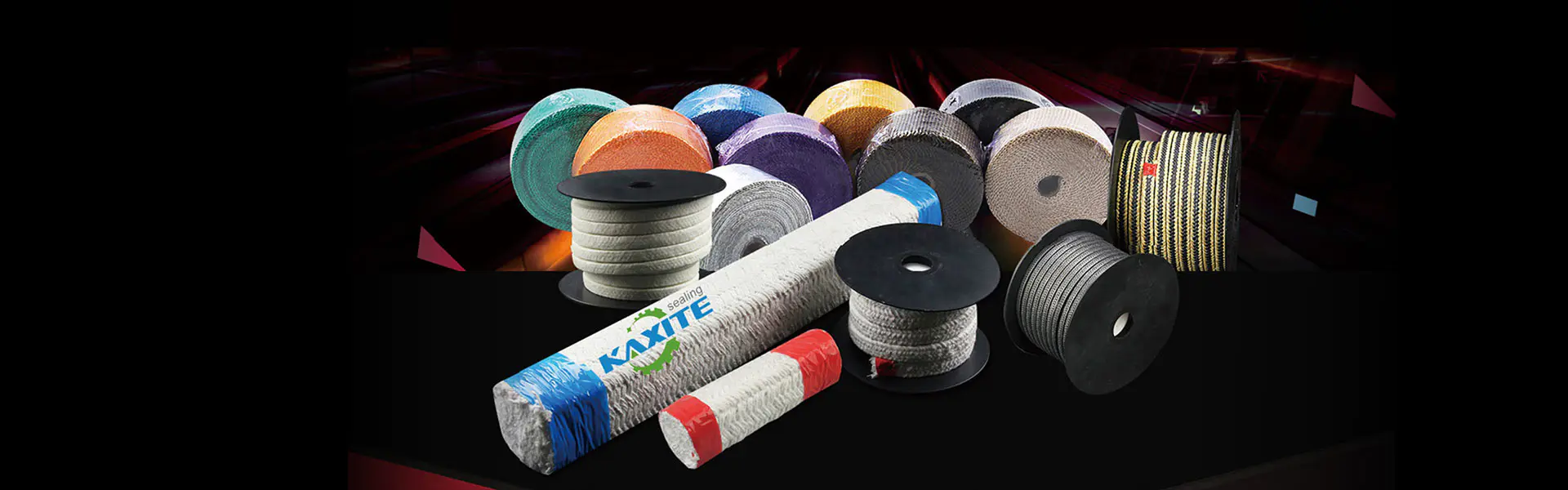
Sealing tools are specialized instruments and equipment designed to apply, install, form, or finish seals, gaskets, and packings in various industrial, automotive, construction, and manufacturing applications. Their primary function is to ensure the integrity of a joint, preventing the leakage of fluids (liquids or gases) and the ingress of contaminants. High-quality sealing is not just about stopping leaks; it's about safety, efficiency, environmental protection, and the longevity of machinery and structures. Using the correct, precision-engineered sealing tool is as vital as the sealant or gasket material itself. At Kaxite Sealing, we understand that a perfect seal relies on the perfect tool for the job, which is why our product line is engineered for reliability, durability, and user safety.
Kaxite Sealing offers a comprehensive portfolio of tools engineered to meet the rigorous demands of professional technicians. Our products are manufactured from high-grade materials and undergo stringent quality control to ensure consistent performance in the field.
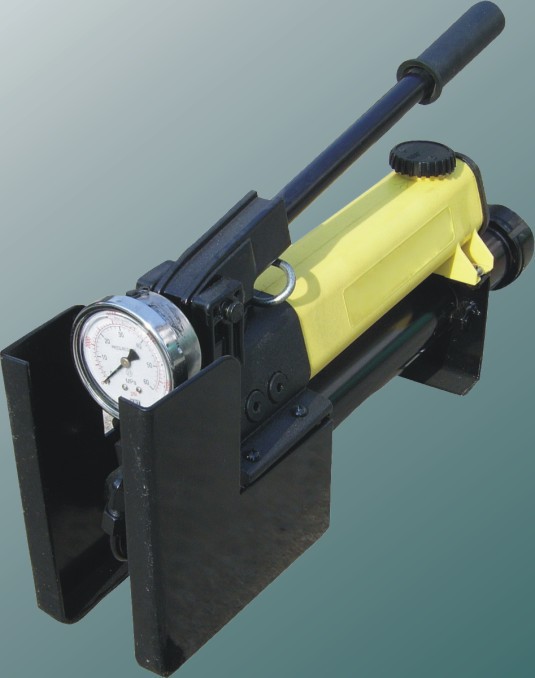
Essential for safe maintenance on bolted flange connections in piping systems, these tools allow for the controlled separation of flanges to remove old gaskets and install new ones without damaging flange faces.
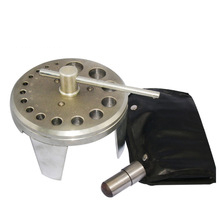
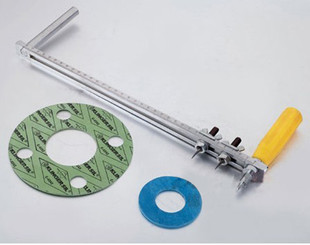
For creating precise, custom-sized gaskets from sheet materials (rubber, cork, composite, PTFE) on-site, eliminating downtime waiting for pre-cut parts.
| Model | Cutting Range | Material Compatibility | Cutting Base |
|---|---|---|---|
| KX-GC-Set24 | 1/4" to 24" diameter | Rubber, Fibre, Non-Asbestos | Phenolic Resin |
| KX-PTFE-Cutter | 10mm to 500mm OD | PTFE, UHMWPE, Soft Plastics | Stainless Steel |
| KX-HolePunch-Set | M5 to M30 bolt holes | All sheet gasket materials | Hardened Steel Dies |
Designed for the clean, consistent, and efficient application of liquid gaskets, adhesives, and sealants from standard cartridges or bulk sausage packs.
Precision tools to install elastomeric seals without nicking, twisting, or damaging them, crucial for hydraulic and pneumatic systems.
| Tool Type | Kaxite Model | Application | Material |
|---|---|---|---|
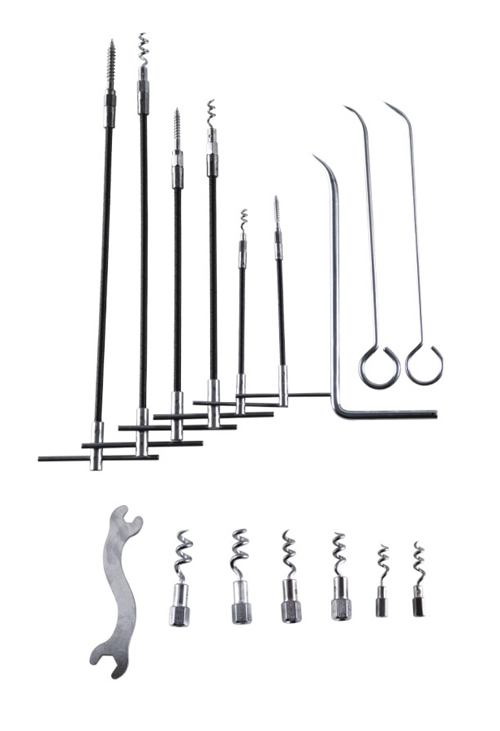
| O-Ring Picks & Hooks | KX-ORP-5Set | Removal and placement in grooves | Hardened Steel & Nylon Tips |
| Cone-Type Installers | KX-CTI-100 | Installing O-rings over shafts/threads | Anodized Aluminum |
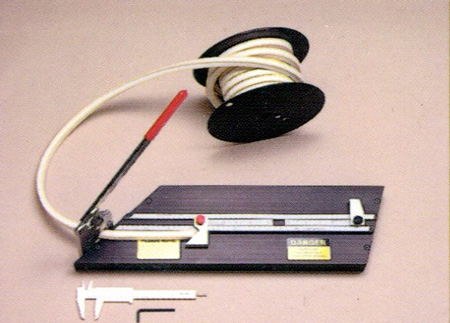
| Packing Extraction Tools | KX-PET-Gland | Removing braided, gland packings | Stainless Steel |
Q: How do I choose the right flange spreading tool for my application?
A: Selecting the correct tool depends on three primary factors: the flange size (bolt hole diameter and spread distance needed), the required spreading force (determined by bolt tension and gasket compression), and the working environment. For standard ANSI B16.5 flanges up to 12 inches, our KX-HFST-150 is typically sufficient. For larger, high-pressure flanges or those with significant corrosion, the KX-HFST-300 is recommended. Always consult the tool's rated capacity and never exceed it. Kaxite Sealing provides detailed selection charts based on flange class and size.
Q: Can Kaxite gasket cutters handle modern composite gasket materials?
A: Yes, absolutely. Our standard KX-GC-Set24 is designed for traditional materials but works well on many non-metallic composites. For extremely tough, aramid-fibre reinforced, or graphite laminate materials, we offer specialized reinforced cutting kits with carbide-tipped cutting heads. It is crucial to match the cutter's hardness and design to the material's abrasiveness to ensure a clean cut and long tool life.
Q: What maintenance do Kaxite hydraulic sealing tools require?
A: Regular maintenance is key to longevity and safety. After each use, wipe down tools to remove dirt and fluid residue. Inspect hydraulic hoses for cracks or abrasions. Store tools in a clean, dry environment. For hydraulic components, use only the recommended fluid (typically mineral-based hydraulic oil) and check fluid levels in pumps regularly. We recommend a professional service check annually for tools used in daily operations. Kaxite Sealing offers comprehensive service kits and repair manuals for all our products.
Q: Are there safety precautions specific to using sealant application guns?
A: Yes. Always wear appropriate PPE, including safety glasses and gloves. Ensure the cartridge nozzle size is correctly snipped for the desired bead size. When using pneumatic guns, verify the air pressure is set according to the sealant manufacturer's viscosity recommendations to prevent splashing or "snap-back." Never point the gun at anyone. For bulk loaders, ensure the piston is correctly seated and the chamber is securely locked to prevent material blowout under pressure.
Q: Why should I use specialized O-ring tools instead of a screwdriver?
A: Using improvised tools like screwdrivers or picks is the leading cause of O-ring failure during installation. They create small nicks, cuts, or stretches that become failure points under pressure, leading to premature leaks. Kaxite Sealing's installation tools are designed with smooth, rounded edges and the correct hardness to manipulate the seal without damaging it. This ensures the integrity of the seal from the moment it's installed, saving costly downtime and fluid loss.
Q: Does Kaxite Sealing offer custom tooling solutions?
A: Yes, we do. Our engineering team at Kaxite Sealing collaborates with clients facing unique or high-volume sealing challenges. We can design and manufacture custom fixtures, specialized installation mandrels, or modified versions of standard tools to fit specific component geometries or meet unusual performance requirements. Contact our technical support with your application details for a consultation.