Language
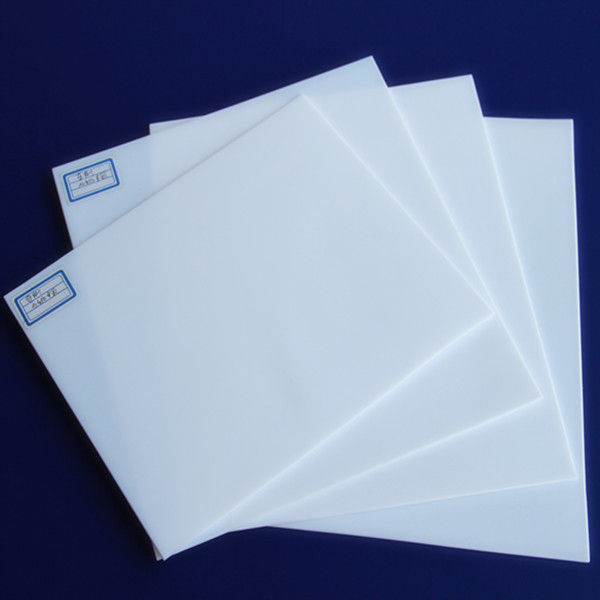
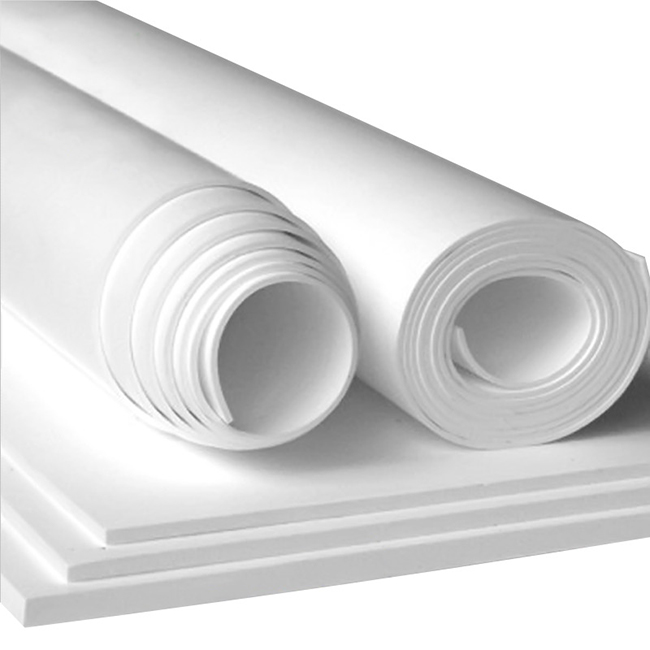
Polytetrafluoroethylene, universally recognized by its abbreviation PTFE, stands as one of the most versatile and high-performance synthetic fluoropolymer materials available today. At its core, a PTFE Sheet is a semi-finished product manufactured from this remarkable polymer, valued for its unique combination of properties that make it indispensable across countless industrial and commercial applications. From creating non-stick surfaces to serving as critical sealing and insulating components, PTFE sheets offer solutions where few other materials can perform reliably. Their ability to withstand extreme temperatures, resist nearly all chemicals, and provide excellent electrical insulation has cemented their role in advancing technology in sectors like aerospace, chemical processing, pharmaceuticals, food production, and electronics. This guide delves deep into the specifics of PTFE sheets, helping engineers, purchasers, and designers make informed decisions.
The widespread adoption of PTFE sheets is directly attributable to their exceptional material properties. These sheets are engineered to perform in the most demanding environments, offering a suite of advantages that deliver long-term reliability and cost-effectiveness.
To ensure the correct PTFE sheet is selected for a specific application, understanding the detailed specifications is crucial. At Kaxite Sealing, we manufacture and supply a comprehensive range of PTFE sheets with varying grades and properties to meet precise technical requirements. The following table outlines the standard parameters for our virgin PTFE sheet offerings.
| Parameter / Property | Standard Value / Range | Test Method | Significance for Application |
|---|---|---|---|
| Specific Gravity / Density | 2.15 - 2.20 g/cm³ | ASTM D792 | Indicates material purity; affects weight and mechanical strength. |
| Tensile Strength | 25 - 35 MPa (3,600 - 5,000 psi) | ASTM D638 | Measures resistance to breaking under tension; critical for load-bearing gaskets. |
| Elongation at Break | 300 - 500% | ASTM D638 | Indicates ductility and ability to deform without fracturing; important for forming and sealing. |
| Compressive Strength | 12 - 15 MPa (1,700 - 2,200 psi) | ASTM D695 | Measures resistance to crushing loads; relevant for bearings and spacers. |
| Hardness (Durometer) | 50 - 65 Shore D | ASTM D2240 | A measure of surface resistance to indentation; affects sealability and wear. |
| Continuous Service Temperature | -200°C to +260°C (-328°F to +500°F) | - | Defines the safe operational range for long-term use. |
| Melting Point | 327°C (621°F) | ASTM D4591 | Not a practical upper limit for use, as PTFE begins to degrade above 260°C. |
| Coefficient of Friction (Dynamic) | 0.05 - 0.10 | ASTM D1894 | Extremely low value ensures excellent anti-stick and low-wear characteristics. |
| Dielectric Strength | >40 kV/mm | ASTM D149 | High voltage required for electrical breakdown; key for insulation. |
| Water Absorption | < 0.01% | ASTM D570 | Negligible absorption ensures stability in fluid handling. |
Beyond these standard virgin PTFE sheets, Kaxite Sealing provides engineered and filled PTFE grades. These incorporate fillers like glass fiber, carbon, graphite, bronze, or molybdenum disulfide to enhance specific properties for more demanding applications.
Q: What is the main difference between PTFE sheet and Teflon™ sheet?
A: "Teflon" is a registered trademark of Chemours (formerly DuPont) for their brand of PTFE and other fluoropolymers. Practically, a Teflon™ sheet is a specific brand of PTFE sheet. All Teflon™ sheets are made from PTFE, but not all PTFE sheets are branded as Teflon™. Generic PTFE sheets, like those from Kaxite Sealing, offer the same fundamental chemical and physical properties and are a cost-effective alternative for industrial applications where the specific Teflon™ brand name is not a requirement.
Q: Can PTFE sheets be machined or fabricated easily?
A: Yes, PTFE sheets are renowned for their excellent machinability. They can be easily cut, drilled, punched, skived, or turned on standard workshop equipment such as lathes, mills, and CNC machines. Their inherent lubricity requires sharp tools and proper clamping to prevent workpiece movement. Fabrication into complex gaskets, seals, insulators, and liners is straightforward, making PTFE a highly versatile material for custom components.
Q: How do I choose the right thickness and grade of PTFE sheet for my application?
A: Selection depends on the application's primary function. For static gaskets in chemical service, a standard virgin PTFE sheet of appropriate thickness (based on flange design and pressure) is often sufficient. For dynamic applications like bearing pads or slide plates, a filled grade (e.g., glass or carbon-filled) is better to resist wear and creep. Thickness is chosen based on sealing gap, compression required, and mechanical load. Consulting with a technical specialist at Kaxite Sealing is recommended for critical applications to balance performance, life expectancy, and cost.
Q: Are PTFE sheets safe for use in food contact and medical applications?
A: Virgin, uncontaminated PTFE is biologically inert and is approved for food contact by regulatory bodies like the US FDA and the EU under certain conditions. It is often used in food processing equipment for liners, conveyor belts, and seals. For medical applications, its biocompatibility makes it suitable for certain implants and surgical devices. However, it is crucial to source PTFE sheets from a reputable supplier like Kaxite Sealing that can provide necessary compliance documentation and ensure the material is manufactured for such sensitive uses.
Q: What are the limitations or weaknesses of PTFE sheets?
A: While exceptional in many areas, PTFE has some limitations. It has a relatively high coefficient of thermal expansion, meaning dimensions can change significantly with temperature fluctuations. It is also susceptible to "creep" or cold flow under sustained heavy load, which can cause seals to relax. Its low surface energy makes bonding difficult without specialized surface treatment (like sodium etching). Finally, while resistant to most chemicals, it can be affected by molten alkali metals and certain fluorine compounds at high temperatures and pressures.
Q: How should PTFE sheets be stored and handled?
A: PTFE sheets should be stored in a cool, dry, dark place away from direct sunlight and heat sources. They should be kept flat to prevent warping or bending. While chemically resistant, it's good practice to keep them clean and free from surface contamination. Handling requires no special precautions beyond standard workshop safety, as the material is non-toxic. When machining, proper ventilation is advised to remove fine PTFE particles.
Q: Can PTFE sheets be welded or bonded to other materials?
A: Welding PTFE is possible using specialized techniques like hot gas welding or thermal welding with PTFE filler rods. Bonding PTFE to itself or other materials (metals, plastics) is notoriously difficult due to its non-stick nature. Successful bonding requires pre-treatment of the PTFE surface to increase its adhesion, typically through a chemical etching process using a sodium-naphthalene solution or via plasma treatment. After treatment, specific epoxy adhesives designed for fluoropolymers can be used.
The unique property set of PTFE sheets translates into a vast array of practical applications. Their reliability in harsh conditions makes them a first-choice material for engineers.
Selecting the right supplier is as important as selecting the right material. Kaxite Sealing has established itself as a trusted global provider of high-performance sealing solutions, with PTFE sheets being a cornerstone of our product portfolio. We differentiate ourselves through unwavering commitment to quality, consistency, and technical support. Our PTFE sheets are manufactured under strict quality control protocols, ensuring they meet or exceed the industry standards referenced in our specifications. We offer a wide range of sizes, thicknesses, and grades—from standard virgin PTFE to advanced filled compounds—allowing you to find the exact match for your application's demands. Our technical team possesses deep material expertise and is available to assist with selection, design optimization, and fabrication guidance, ensuring you achieve maximum performance and value from our products. Partnering with Kaxite Sealing means accessing not just a material, but a comprehensive solution backed by reliability and expertise.