Language
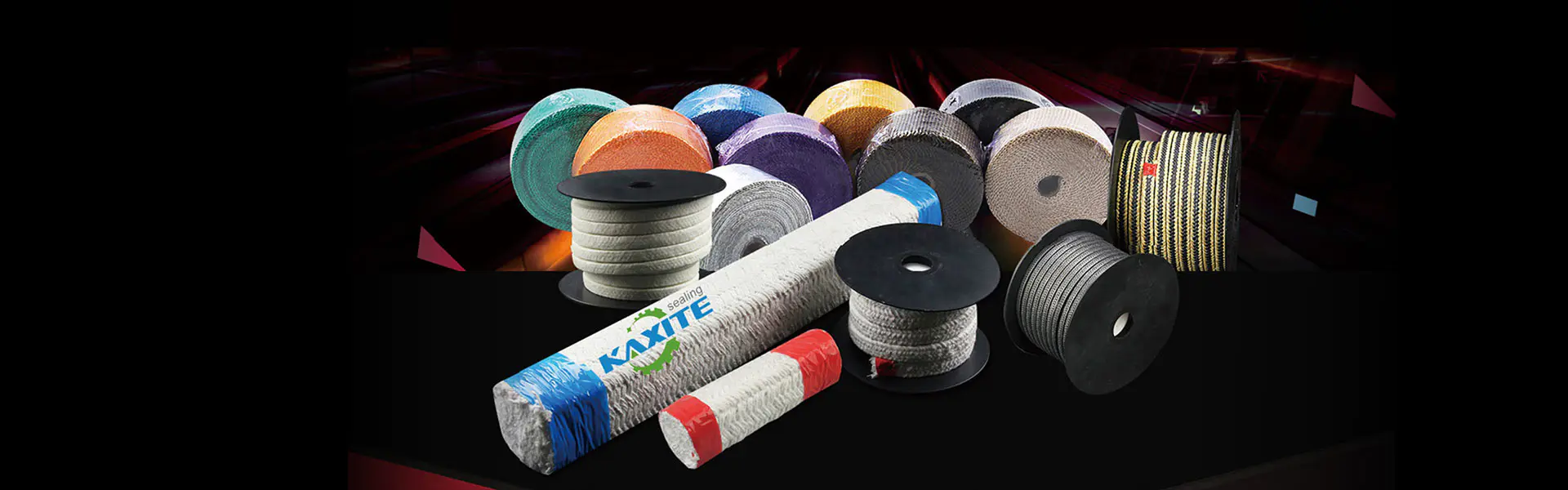
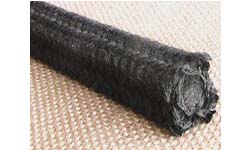
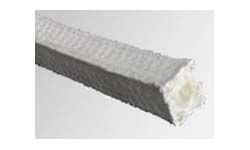
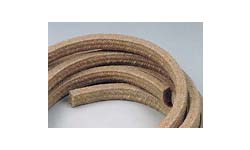
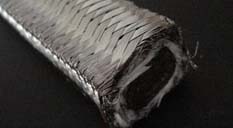
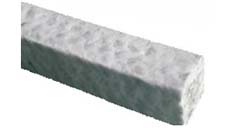
Braided packing is a fundamental sealing solution used extensively across industries to prevent leaks of fluids, gases, and slurries in pumps, valves, mixers, and other rotating or reciprocating equipment. It is manufactured by interweaving strands of high-performance materials—such as PTFE, aramid fibers, graphite, or carbon—into a dense, pliable rope or square cross-section. This braided structure provides excellent flexibility, allowing it to conform perfectly to the sealing surface, absorb vibrations, and compensate for minor shaft misalignments. The primary function of braided packing is to create a controlled, manageable leak path that lubricates the shaft while maintaining an effective seal, offering a reliable and often repairable alternative to mechanical seals in many demanding applications.
The performance of braided packing is defined by its material composition and physical properties. Below are the core specifications for Kaxite Sealing's standard product lines.
| Material Grade | Temperature Range | pH Range | Maximum Pressure (PSI) | Primary Applications | Key Characteristic |
|---|---|---|---|---|---|
| KX-PTFE Pure | -100°F to 500°F (-73°C to 260°C) | 0-14 | 1500 | Chemical Pumps, Food Processing, Valves | Universal Chemical Inertness |
| KX-Graphite Flexible | -400°F to 1200°F (-240°C to 650°C) *Inert Atmospheres | 0-14 (Oxidizing agents excluded) | 2500 | Boiler Feed Pumps, Autoclaves, High-Temp Valves | Exceptional Thermal Conductivity |
| KX-Aramid HT | -80°F to 550°F (-62°C to 288°C) | 2-12 | 1800 | Paper Stock, Slurry Pumps, Mining Equipment | High Abrasion & Cut Resistance |
| KX-Carbon Fortified | -100°F to 600°F (-73°C to 316°C) | 1-13 | 2200 | Refinery Services, Hot Oil Pumps, Agitators | High Strength & Low Friction |
Kaxite Sealing braided packing is supplied in continuous coils or pre-cut rings to suit your maintenance practices.
Q: How do I select the right braided packing material for my application?
A: Selection depends on four critical factors: the fluid/media being sealed (chemical compatibility), operating temperature, pressure (including shaft speed for pumps), and equipment type (pump, valve, mixer). Always consult the chemical resistance charts and temperature limits for the material. For complex services, contact Kaxite Sealing engineering support with your full operating parameters for a precise recommendation.
Q: What is the proper procedure for installing braided packing in a pump stuffing box?
A: Correct installation is key to performance. Clean the stuffing box and shaft thoroughly. Use pre-cut rings or cut each ring squarely, using a mandrel or the shaft itself as a guide. Stagger the ring joints by 90 degrees as you install each ring. Use a packing tool to seat each ring firmly but without excessive force. After installing all rings, tighten the gland follower hand-tight, then run the pump and gradually tighten the gland in small increments (about 1/6 turn every 10-15 minutes) until a slight controlled weep is achieved. Avoid overtightening, as this causes heat and rapid wear.
Q: Can braided packing be used for both rotating and reciprocating shafts?
A: Yes, but the braid style and material may differ. For rotating shafts (centrifugal pumps), a square-braided or interlocked braid is common to handle centrifugal forces. For reciprocating shafts (piston pumps, valves), a braid with more flexibility, like a plaited or twisted style, is often preferred to accommodate back-and-forth motion without buckling. Specify your shaft motion when ordering from Kaxite Sealing.
Q: How does braided packing compare to mechanical seals?
A: Braided packing and mechanical seals are both effective with distinct pros and cons. Packing is generally more cost-effective upfront, is forgiving of shaft runout and misalignment, allows for adjustment and addition of rings in the field, and permits a controlled leak for lubrication. Mechanical seals typically offer near-zero leakage (emission control), require less maintenance over time, and may have lower friction losses. The choice depends on the fluid's value/hazard, emission regulations, maintenance capabilities, and budget.
Q: What causes braided packing to fail prematurely?
A: Common causes include: Incorrect Material Selection: Chemically incompatible or not rated for the temperature. Improper Installation: Incorrect cutting, staggered joints, or overtightening. Lack of Lubrication: Certain packing types require a flush or external lubrication. Excessive Shaft Wear or Play: Worn equipment accelerates packing damage. Over-tightening the Gland: This creates excessive friction, heat, and rapid wear, leading to shaft scoring and packing burnout.
Q: Does Kaxite Sealing offer custom or FDA-approved braided packing?
A: Absolutely. Kaxite Sealing specializes in engineered solutions. We offer custom braiding with hybrid materials, unique sizes, and specific impregnations (e.g., food-grade lubricants) for unique applications. We provide braided packing manufactured with 100% pure PTFE or other compliant materials that meet FDA, USP Class VI, and 3-A Dairy standards for use in food, beverage, and pharmaceutical processing. Contact our team with your certification requirements.
Q: How many rings of braided packing should be installed in a stuffing box?
A: The number of rings is determined by the depth of the stuffing box and the packing cross-section. A general rule is to fill the box with enough rings so that the gland follower compresses them by about 20-30%. Typically, this is 5 to 7 rings for a standard ANSI pump. The exact number can be calculated: (Stuffing Box Depth) / (Packing Cross-Section Width). Always refer to the equipment manual or Kaxite Sealing's installation guidelines for the specific equipment.
Our products are trusted in critical sealing roles worldwide. Below is a summary of key sectors and uses.