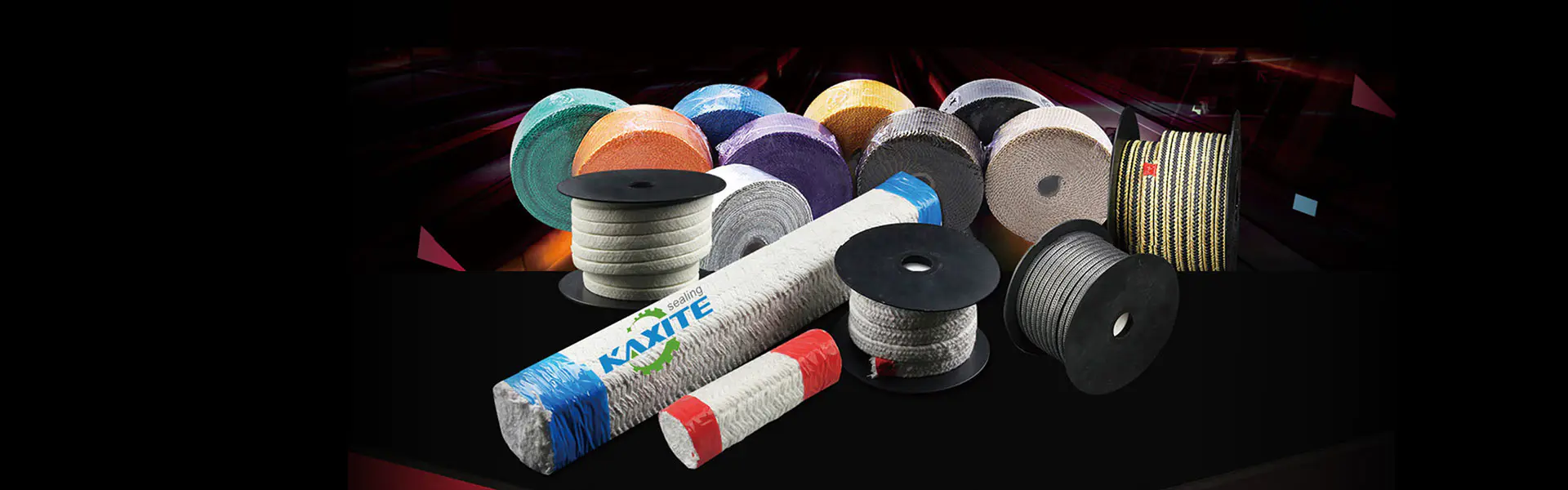
How does fiberglass insulation work to conserve energy? This is a fundamental question for anyone involved in building management, construction, or industrial procurement aiming to slash energy bills and improve efficiency. At its core, fiberglass insulation creates a powerful thermal barrier. It traps millions of tiny air pockets within its fibrous structure, dramatically slowing down the transfer of heat. In winter, it keeps valuable warmth inside your building; in summer, it blocks oppressive outdoor heat from entering. This simple yet brilliant mechanism reduces the constant strain on HVAC systems, leading to substantial energy conservation and lower operational costs. For global procurement specialists seeking reliable, high-performance materials, understanding this principle is the first step toward smarter, more sustainable projects. This article will break down the science, showcase key applications, and highlight how partnering with a trusted manufacturer like Ningbo Kaxite Sealing Materials Co., Ltd. can deliver premium solutions that directly address your energy-saving challenges. This article will break down the science, showcase key applications, and highlight how partnering with a trusted manufacturer like Ningbo Kaxite Sealing Materials Co., Ltd. can deliver premium solutions that directly address your energy-saving challenges.
Article Outline:
Imagine a large warehouse or manufacturing facility where temperature control is a constant, expensive battle. The HVAC system runs non-stop, yet hot or cold spots persist, and energy bills keep climbing. The core problem is uninsulated or poorly insulated building envelopes, allowing thermal energy to flow freely. The solution lies in installing high-quality fiberglass insulation. Its random Glass Fiber matrix is engineered to create a dense network of stagnant air pockets. Air is a poor conductor of heat, and by trapping it, fiberglass effectively resists conductive and convective heat flow. This "thermal resistance" or R-value is the key metric. Upgrading to insulation with a higher R-value, like the products developed by Ningbo Kaxite Sealing Materials Co., Ltd., directly translates to less energy required for heating and cooling, stabilizing indoor temperatures and protecting your bottom line.
For procurement officers, comparing products based on standardized specs is crucial. Below is a simplified table outlining key parameters for fiberglass insulation relevant to energy conservation.
| Parameter | Typical Range | Why It Matters for Energy Savings |
|---|---|---|
| R-Value per inch | R-2.9 to R-4.3 | Higher R-value = Greater thermal resistance, better energy conservation. |
| Density (kg/m³) | 10 - 100 | Higher density often correlates with better acoustic and thermal performance. |
| Thermal Conductivity (W/m·K) | 0.030 - 0.045 | Lower conductivity means the material is a better insulator. |
| Operating Temperature Range | Up to 250°C (482°F) | Determines suitability for high-heat industrial applications. |
Procurement teams often face data sheets filled with technical jargon, making it difficult to assess true value and performance. The risk is ordering a product that seems adequate but fails to deliver the promised energy savings, leading to project delays and cost overruns. The solution is partnering with a supplier that provides clear, verifiable data and expert guidance. Ningbo Kaxite Sealing Materials Co., Ltd. offers precisely this, with detailed specifications for their glass fiber yarns and insulation materials that align with international standards. By focusing on the critical parameters like thermal conductivity and fire resistance, you can make an apples-to-apples comparison. Our products are engineered not just to meet but exceed baseline requirements, ensuring the insulation performs reliably over its lifetime, maximizing your return on investment and achieving your energy conservation goals.
| Material Type | Best For | Key Procurement Consideration |
|---|---|---|
| Glass Fiber Blanket/Batt | Wall cavities, attic spaces | Ensure correct width/depth for cavity size to avoid gaps. |
| Glass Fiber Board | HVAC duct insulation, industrial panels | Check compressive strength and dimensional stability. |
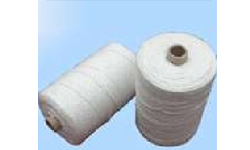
| Glass Fiber Yarn/Fabric | High-temp gaskets, welding blankets | Verify continuous service temperature and weave tightness. |
In industrial settings, energy conservation isn't just about comfort—it's a major cost factor. Pipes carrying steam or chilled fluids, large ovens, furnaces, and building roofs are primary areas of massive energy loss. Uninsulated pipes can lose thousands of dollars worth of heat annually. The solution is applying the correct type and thickness of fiberglass insulation to these specific components. How does fiberglass insulation work to conserve energy in these cases? By providing a durable, heat-resistant jacket that maintains process temperatures with minimal loss. For example, insulating a steam pipe reduces the fuel needed to keep the steam hot. Ningbo Kaxite Sealing Materials Co., Ltd. provides durable glass fiber textiles and tapes ideal for such challenging environments, helping plants maintain efficiency, improve worker safety, and meet sustainability targets.
Procurement decisions require justifying costs with long-term value. While initial price is a factor, the true cost includes energy savings over years. Fiberglass insulation often provides an excellent balance of performance and cost. When comparing to other materials or to doing nothing, the numbers speak for themselves. A proper insulation upgrade can typically reduce heating and cooling energy use by 10-20%. The table below provides a basic comparison to guide your analysis. Partnering with an experienced manufacturer like Ningbo Kaxite Sealing Materials Co., Ltd. ensures you get a product with optimized performance for your specific application, guaranteeing that the projected energy savings and ROI become a reality.
| Scenario | Annual Energy Cost (Est.) | After Fiberglass Upgrade (Est.) | Potential Annual Savings |
|---|---|---|---|
| Uninsulated Metal Warehouse Roof | $25,000 | $20,000 | $5,000+ |
| Insulated Steam Pipe Run (100m) | $8,000 (fuel cost for heat loss) | $1,500 | $6,500+ |
Q: How does fiberglass insulation work to conserve energy in humid environments? Doesn't moisture reduce its effectiveness?
A: This is an excellent and critical question. Standard fiberglass can lose R-value if it becomes wet, as water conducts heat better than air. The key is proper installation with a vapor retarder on the warm-in-winter side to prevent condensation within the insulation. For highly humid or exterior applications, specifying materials with inherent water resistance or using them in conjunction with protective facings is crucial. Ningbo Kaxite Sealing Materials Co., Ltd. can advise on the best product configurations for challenging climatic conditions to ensure long-term performance.
Q: We need insulation for high-temperature equipment (300°C+). How does fiberglass insulation work to conserve energy there, and is it safe?
A: Absolutely. Special high-temperature fiberglass materials are designed for this exact purpose. They work by providing a thick, low-conductivity barrier that keeps heat within the process equipment (like an oven), reducing the energy needed to maintain temperature. For safety, these materials are often treated to be flame-retardant and non-combustible. It is vital to use products rated for your specific temperature range. We offer glass fiber yarns and fabrics with continuous service temperatures that meet such demanding industrial requirements, ensuring both energy efficiency and operational safety.
Ready to transform your project's energy efficiency? Understanding the principles is the first step; implementing the right solution is next. For procurement professionals seeking reliable, high-performance insulation materials backed by clear data and expert support, look no further.
For over a decade, Ningbo Kaxite Sealing Materials Co., Ltd. has been a trusted partner for global buyers, specializing in high-quality glass fiber sealing and insulation solutions. We understand the critical link between material performance and energy conservation. Our team is dedicated to helping you select the perfect product to meet your technical specs and budgetary goals, ensuring your projects achieve maximum efficiency and cost savings. Contact our experts today to discuss your requirements: [email protected].
Sparrow, J. M., & Cess, R. D. (1978). Heat transfer from spheres and other animal forms. Biophysical Journal, 16(6), 561-569.
Lecompte, T., et al. (2013). The effect of moisture on the thermal performance of glass wool and cellulose insulation. Energy and Buildings, 66, 732-740.
Jelle, B. P. (2011). Traditional, state-of-the-art and future thermal building insulation materials and solutions – Properties, requirements and possibilities. Energy and Buildings, 43(10), 2549-2563.
Aditya, L., et al. (2017). A review on insulation materials for energy conservation in buildings. Renewable and Sustainable Energy Reviews, 73, 1352-1365.
Wakili, K. G., et al. (2007). Effective thermal conductivity of dry and moist fibrous insulation. Journal of Building Physics, 31(2), 103-121.
Al-Homoud, M. S. (2005). Performance characteristics and practical applications of common building thermal insulation materials. Building and Environment, 40(3), 353-366.
Papadopoulos, A. M. (2005). State of the art in thermal insulation materials and aims for future developments. Energy and Buildings, 37(1), 77-86.
Asan, H. (2006). Numerical simulation of the effect of moisture content on heat transfer through exterior walls. Energy Conversion and Management, 47(18-19), 3351-3361.
Bomberg, M., & Klarsfeld, S. (1983). Thermal transmission measurements of insulation materials. ASTM Special Technical Publication, 789, 574-586.
Kumar, D., & Alam, M. (2019). Dynamic thermal performance of fiberglass and rockwool insulation materials. Construction and Building Materials, 196, 240-249.