Language

What are the symptoms of asbestos exposure from dust? If you work in construction, manufacturing, or facility maintenance, this isn't just a medical question—it's a critical workplace safety concern. Invisible asbestos fibers, once inhaled, can lead to severe, often fatal, diseases decades later. Recognizing the silent threat posed by dusty environments is the first step toward prevention. This guide breaks down the symptoms, long-term risks, and, most importantly, how modern sealing and insulation solutions from companies like Ningbo Kaxite Sealing Materials Co., Ltd. provide a safer alternative, protecting both personnel and procurement budgets from hidden liabilities.
Article Outline:
Imagine overseeing a plant retrofit. Old insulation is being removed, creating dust. Workers might experience a persistent dry cough, shortness of breath, or chest tightness—early symptoms often mistaken for a bad cold or bronchitis. The real danger is latent. Years later, this exposure can manifest as asbestosis (scarring of lung tissue), lung cancer, or mesothelioma, a rare cancer of the lung and abdominal linings. There is no safe level of exposure. For procurement officers, this translates into potential future worker compensation claims, massive insurance premiums, and legal liabilities that far outweigh any initial cost savings from using outdated materials.
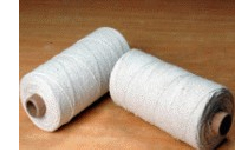
Procurement Solution: The key is proactive replacement with certified asbestos-free materials before symptoms ever arise. Sourcing from reputable manufacturers who provide full material safety data sheets (MSDS) and compliance certificates is non-negotiable.
| Common Early Symptoms | Associated Long-Term Diseases | Typical Latency Period |
|---|---|---|
| Persistent dry cough | Asbestosis | 10-20 years |
| Shortness of breath | Lung Cancer | 15-30 years |
| Chest pain/tightness | Mesothelioma | 20-50 years |
The pressure to reduce project costs is immense. A supplier might offer a seemingly identical gasket or insulation material at a fraction of the price. The hidden cost? It may contain asbestos or lack proper fire and temperature certifications. This creates a nightmare scenario: equipment fails under stress, causing downtime, or worse, a fire releases toxic dust. The financial fallout from an incident—fines, lawsuits, brand damage—makes the initial "savings" irrelevant. Smart procurement isn't about finding the cheapest product; it's about minimizing total cost of ownership, which includes safety, reliability, and compliance.
Procurement Solution: Implement a vendor qualification process that mandates third-party test reports for hazardous substances. Partner with suppliers like Ningbo Kaxite Sealing Materials Co., Ltd., whose core mission is providing high-performance, asbestos-free sealing solutions that ensure long-term operational safety and reliability.
| Procurement Risk | Potential Consequence | Mitigation Strategy |
|---|---|---|
| Unverified low-cost materials | Hidden asbestos content, liability | Demand ISO/GB compliance certificates |
| Inadequate temperature ratings | Equipment failure, fire hazard | Specify exact operating conditions |
| Poor sealing performance | Leaks, energy loss, pollution | Choose materials with proven leak-proof specs |
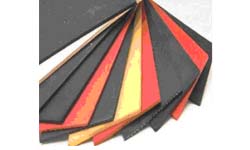
Modern industry does not need to rely on dangerous materials. Advanced aramid fibers, graphite, and ceramic-based sealing products offer superior temperature resistance, durability, and chemical inertness without any health risks. For example, replacing old asbestos gaskets in a pipeline system with compressed non-asbestos fiber sheets ensures a perfect seal, prevents fugitive emissions, and protects maintenance crews. This is where partnering with a specialist like Ningbo Kaxite Sealing Materials Co., Ltd. adds direct value. They don't just sell products; they provide safety-engineered solutions—be it braided packing, gasket sheets, or insulation yarn—that meet international standards and keep your workforce safe.
By choosing Kaxite's asbestos-free alternatives, you directly address the root cause of "symptoms of asbestos exposure from dust" by eliminating the hazard at the source. Their materials are designed for performance, ensuring efficiency and safety go hand-in-hand.
| Kaxite Asbestos-Free Product | Typical Application | Key Performance Advantage |
|---|---|---|
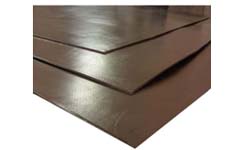
| Compressed Non-Asbestos Sheet | Flange gaskets, heat exchangers | Excellent seal, high temp & pressure resistance |
| Aramid Fiber Braided Packing | Valve stems, pumps | Low friction, long service life, leak-free |
| Ceramic Fiber Insulation | High-temperature furnaces, boilers | Superior thermal insulation, >1260°C rating |
Q: What are the very first symptoms of asbestos exposure from dust?
A: The earliest signs are often respiratory and subtle, including a persistent dry cough, shortness of breath during routine activities, and a feeling of tightness in the chest. Unfortunately, these symptoms can take 10 to 40 years to appear after exposure, making proactive prevention through safe material choices crucial.
Q: How can I ensure the sealing materials I purchase are truly asbestos-free?
A: Always work with certified and reputable manufacturers. Request and verify material safety data sheets (MSDS) and independent lab test reports confirming the absence of asbestos. Companies like Ningbo Kaxite Sealing Materials Co., Ltd. build their product lines on compliance and transparency, providing all necessary documentation to guarantee their materials are safe and meet global standards.
Understanding the symptoms of asbestos exposure is vital, but eliminating the risk is the ultimate goal. In industrial procurement, every specification sheet and purchase order is an opportunity to prioritize human health and long-term operational integrity. Moving away from hazardous legacy materials to modern, high-performance alternatives is a clear strategic decision. We encourage you to review your current material specifications and supplier qualifications. Does your supply chain guarantee safety?
For reliable, asbestos-free sealing and insulation solutions that protect your people and your assets, consider Ningbo Kaxite Sealing Materials Co., Ltd. As a specialist manufacturer, Kaxite is dedicated to providing safe, durable, and efficient sealing products, from braided packing to gasket sheets, for industries worldwide. Visit www.kaxite.com.cn to explore their certified product range or contact their team directly at [email protected] for specific technical support and quotes.
Reid, A., de Klerk, N., & Musk, A. W. (2011). The Australian Mesothelioma Register. American Journal of Industrial Medicine, 54(4), 255-262.
Stayner, L., Welch, L. S., & Lemen, R. (2013). The Worldwide Pandemic of Asbestos-Related Diseases. Annual Review of Public Health, 34, 205-216.
Mossman, B. T., & Gee, J. B. (1989). Asbestos-related diseases. New England Journal of Medicine, 320(26), 1721-1730.
LaDou, J., Landrigan, P., & Bailar, J. C. (2010). A call for an international ban on asbestos. Environmental Health Perspectives, 118(7), 897-901.
Robinson, B. W., & Lake, R. A. (2005). Advances in malignant mesothelioma. New England Journal of Medicine, 353(15), 1591-1603.
Tossavainen, A. (2004). Global use of asbestos and the incidence of mesothelioma. International Journal of Occupational and Environmental Health, 10(1), 22-25.
Hodgson, J. T., & Darnton, A. (2000). The quantitative risks of mesothelioma and lung cancer in relation to asbestos exposure. The Annals of Occupational Hygiene, 44(8), 565-601.
Alleman, J. E., & Mossman, B. T. (1997). Asbestos revisited. Scientific American, 277(1), 70-75.
Craighead, J. E., & Gibbs, A. R. (2008). Asbestos and its diseases. Oxford University Press.
Landrigan, P. J. (1991). The prevention of asbestos-related disease. Annual Review of Public Health, 12(1), 141-156.