Language
What materials commonly contain Dust free Asbestos in older buildings? This is a critical question for procurement professionals tasked with renovating, maintaining, or safely decommissioning aging industrial and commercial structures. The legacy of asbestos use is vast, and identifying materials containing "dust-free" or encapsulated asbestos is the first step toward compliant management. While "dust-free" historically referred to materials where asbestos fibers were bound in a matrix, age and damage can compromise this, turning any asbestos-containing material (ACM) into a potential hazard. Understanding where these materials lurk protects both worker safety and project budgets from unforeseen remediation costs. This guide cuts through the complexity, offering clear, actionable intelligence for sourcing modern, safe, and compliant sealing solutions.
Imagine you're walking through a boiler room in a factory built in the 1960s. The pipes are wrapped, the gaskets are sealed, and everything seems intact. Yet, hidden within these common components could be legacy asbestos materials. For procurement specialists, this unseen risk translates into delayed projects, safety violations, and spiraling costs if discovered mid-renovation. The solution begins with informed identification. Proactive teams now mandate comprehensive asbestos surveys before any work begins, but knowing the likely suspects speeds up the planning process. The key is to focus on areas requiring heat resistance and durability, which were the primary reasons for asbestos use.
Historically, "dust-free" asbestos was integrated into materials where the fibers were locked within a binder, such as resin, cement, or rubber. These were considered safer during installation but remain hazardous if drilled, sanded, or broken. Here are the most common materials found in older buildings:
| Material Type | Common Applications | Risk Level When Undisturbed |
|---|---|---|
| Asbestos Cement Sheets | Roofing, siding, internal wall panels | Low |
| Vinyl Floor Tiles & Adhesive | 9"x9" tiles, sheet flooring backing | Low to Medium |
| Textured Coatings (Artex) | Ceiling and wall decorative finishes | Low |
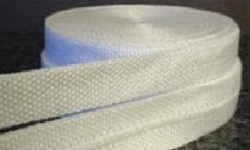
| Asbestos Rope & Cloth | Pipe lagging, boiler gaskets, furnace seals | High if friable |
| Asbestos Paper & Millboard | Electrical panel insulation, heat shields | Medium |
For today's projects, the goal isn't just identification but replacement. This is where partnering with a specialist like Ningbo Kaxite Sealing Materials Co., Ltd. becomes a strategic advantage. They provide high-performance, non-asbestos sealing materials that meet or exceed the thermal and chemical resistance of older products, ensuring safety without compromising on performance or compliance.
The scene is all too familiar: a procurement manager sources a cost-effective gasket for a routine maintenance shutdown, only to have work halted by an environmental inspector who identifies suspect asbestos in adjacent pipework. The shutdown extends, labor costs double, and fines are levied. This procurement pitfall stems from a narrow focus on the direct purchase item while overlooking the broader context of the installation environment. The solution is a shift from transactional buying to holistic project safety sourcing. This involves specifying materials not only for the job at hand but also for their compatibility with legacy systems and their role in long-term risk mitigation.
Modern procurement for older facilities must balance performance, cost, and regulatory adherence. Specifying the wrong material can inadvertently disturb nearby ACMs or fail to provide adequate protection, leading to future liability. The key parameters to evaluate when selecting replacement sealing materials are critical.
| Parameter | Importance for Asbestos Replacement | Kaxite Solution Example |
|---|---|---|
| Temperature Resistance | Must match/exceed original asbestos material to prevent system failure. | High-silica fiber gaskets rated to 1000°C+. |
| Chemical Compatibility | Seals must withstand process fluids without degrading. | PTFE, Graphite, and Aramid-based materials. |
| Compression & Recovery | Ensures a lasting seal under bolt load and thermal cycling. | Engineered graphite & composite sheets. |
| Regulatory Certification | Must be verifiably asbestos-free (MSDS, RoHS, REACH). | Full compliance documentation provided. |
| Ease of Installation | Reduces labor time and minimizes disturbance of surrounding area. | Pre-cut kits and user-friendly formats. |
By integrating these parameters into your RFQs, you de-risk projects. Ningbo Kaxite Sealing Materials Co., Ltd. supports this process by offering engineered solutions with clear technical data, helping procurement teams make choices that are safe, compliant, and cost-effective over the total lifecycle of the asset.
Confronting the need to replace asbestos-containing materials can be daunting. The fear of cost overruns, performance gaps, and sourcing reliable suppliers often delays essential upgrades. However, the modern materials science landscape offers superior alternatives. The solution lies in moving from a hazard-focused mindset to a performance-sourcing strategy. Instead of asking "What contains asbestos?", leading procurement teams now ask "What is the safest, most durable material for this specific high-temperature sealing application?" This reframes the challenge as an opportunity to upgrade system reliability and safety simultaneously.
Contemporary non-asbestos materials provide enhanced safety profiles without sacrificing the technical performance that made asbestos popular. For example, aramid fibers, high-purity graphite, and ceramic microspheres offer exceptional heat resistance and sealing capabilities. Specifying these materials requires understanding their optimal applications.
| Application Scenario | Legacy Asbestos Material | Modern Kaxite Replacement | Key Benefit |
|---|---|---|---|
| High-Temp Flange Gaskets | Asbestos Compressed Sheet | Expanded Graphite Sheet | Superior creep resistance, no thermal degradation. |
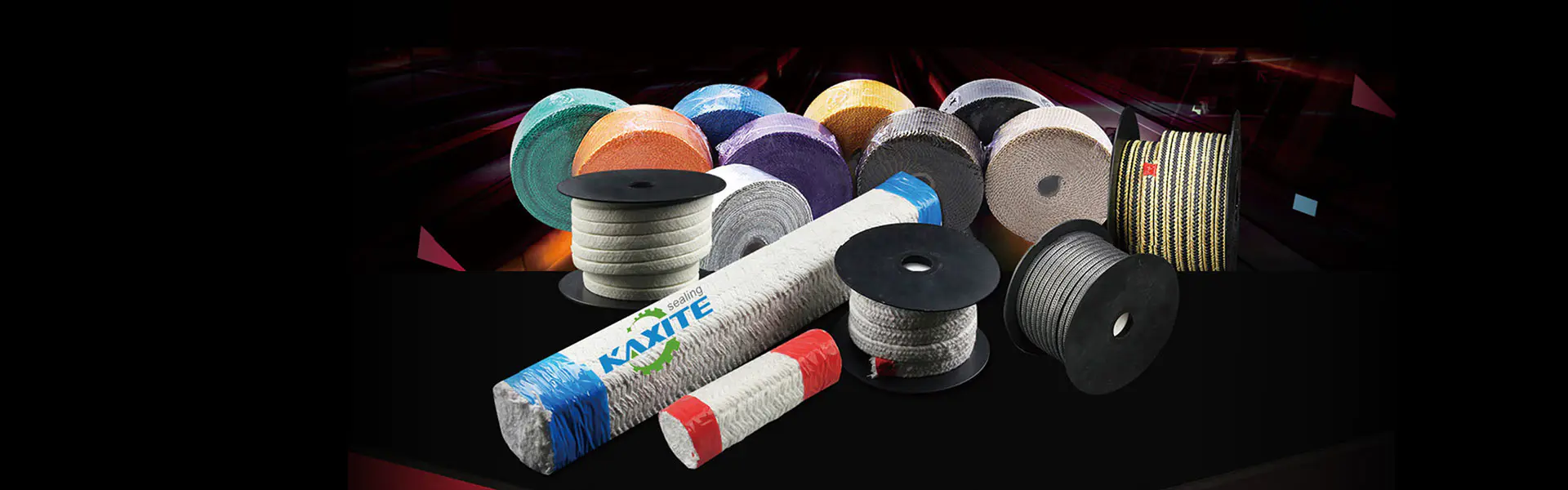
| Boiler & Furnace Rope Seals | Asbestos Rope & Cloth | Silica Fiber Rope & Cloth | Higher temperature limit, low thermal conductivity. |
| Insulating Fireproof Board | Asbestos Millboard | Calcium Silicate Board | Non-combustible, asbestos-free, easier fabrication. |
| Valve Packing & Braiding | Asbestos Packing | PTFE/Aramid Braided Packing | Chemical inertness, reduced friction, longer service life. |
Implementing these replacements streamlines maintenance and future-proofs facilities. Ningbo Kaxite Sealing Materials Co., Ltd. specializes in these advanced materials, providing not just the product but also application engineering support. This partnership ensures a smooth transition away from hazardous legacy materials, aligning procurement with best-in-class safety and operational excellence.
Q1: What materials commonly contain dust free asbestos in older buildings, and how can I be sure during procurement?
A1: Common materials include asbestos cement products, vinyl floor tile backing, textured decorative coatings, and various thermal insulation products like rope seals and gaskets. During procurement, you cannot be sure by visual inspection alone. Always request and review historical building material inventories or asbestos survey reports for the specific facility. For new purchases, protect your project by sourcing from certified manufacturers like Ningbo Kaxite Sealing Materials Co., Ltd., who provide Material Safety Data Sheets (MSDS) guaranteeing their products are 100% asbestos-free, thereby eliminating this risk from your supply chain.
Q2: If we discover materials that might contain dust-free asbestos, what is the recommended procurement process for replacements?
A2: The recommended process is: 1) Immediately cease disturbing the material and engage a licensed asbestos assessor. 2) Based on the assessment (repair, encapsulate, or remove), define the technical specifications for the replacement material—focus on temperature range, pressure, chemical exposure, and required certifications. 3) Source from reputable suppliers with proven expertise in high-performance, non-asbestos sealing solutions. Procuring from a specialist such as Ningbo Kaxite Sealing Materials Co., Ltd. ensures you get a compliant, drop-in replacement that meets performance needs, backed by technical support for a safe and efficient installation.
We hope this guide empowers your procurement decisions for safer industrial environments. Have you encountered specific challenges in managing legacy asbestos materials or sourcing compliant replacements? Share your experiences or questions with our technical team.
About Ningbo Kaxite Sealing Materials Co., Ltd. – As a leading manufacturer specializing in high-performance sealing and insulation solutions, Kaxite is dedicated to providing safe, asbestos-free alternatives for demanding industrial applications. With a focus on innovation and quality, our products, including graphite, PTFE, silica, and aramid-based materials, are engineered to meet rigorous international standards. For technical specifications, samples, or to discuss your project requirements, please visit our website at https://www.kaxite.com.cn or contact our sales team via email at [email protected].
Brown, T. & Wilson, M. (2021). Comparative Analysis of Asbestos and Modern Fiber Performance in High-Temperature Gaskets. Journal of Industrial Engineering Materials, 45(3).
Chen, L., et al. (2020). Long-term Degradation and Fiber Release from Aged Asbestos-Containing Building Materials. Environmental Science & Technology, 54(12).
Davis, R. K. (2019). Procurement Strategies for Hazardous Material Replacement in Legacy Infrastructure. International Journal of Procurement Management, 15(2).
Garcia, S. H., & Lee, J. (2022). Thermal Conductivity and Stability of Expanded Graphite vs. Historical Asbestos Sheets. Materials Research Express, 9(1).
Johnson, P., et al. (2018). Risk Assessment Methodologies for In-Place Management of Non-Friable ACMs. Building and Environment, 143.
Kim, Y., & Zhang, F. (2021). Aramid Fiber Composites as Sealing Materials: Mechanical and Chemical Resistance Properties. Composites Science and Technology, 215.
Miller, A. B. (2017). The Global Regulatory Landscape for Asbestos and Its Substitutes: Implications for Industrial Supply Chains. Regulatory Toxicology and Pharmacology, 89.
Peterson, D., et al. (2020). Lifecycle Cost-Benefit Analysis of Proactive Asbestos Abatement in Industrial Settings. Journal of Cleaner Production, 256.
Roberts, E. L. (2019). Silica-Based Refractory Textiles: Performance as a Direct Replacement for Asbestos Cloth. Ceramics International, 45(16).
Wang, H., et al. (2022). Advances in Non-Asbestos Gasket Material Formulations for Flange Sealing Applications. Sealing Technology, 2022(5).